






Top-rated excavation pros.

Get matched with top excavation pros in Verona, MS

Enter your zip and get matched with up to 5 pros

Need a pro for your excavation project in Verona, MS?

Select your specific project to find the pro for you.

Find Excavation pros in Verona

Avatar for Ground Pounders
Ground Pounders
5.0(
2
)
Building Site - Preparation and ClearingBuilding Site - Preparation and Clearing - For BusinessExcavation - Major Grading or Resloping+1 more

Serving Verona, MS and surrounding areas

Approved

In business since 2021

Free estimates

Credit card accepted

"We did a lot of research to compare pricing and the quality of work because we have had other jobs that we contracted out that we were not happy with and everyone I spoke to said he did a great job. I think its because he is passionate about his work."
Hidden Space
Hidden Space
Hidden Space
Hidden Space
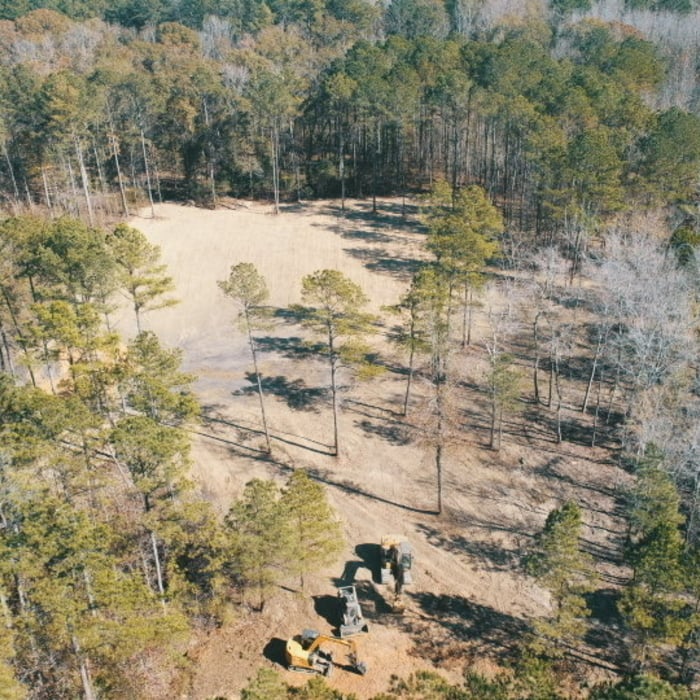
Pine Tree Restoration

+14

Response time4 hrs
Recommended by50%of homeowners
Roberts Paving & Construction, LLP
1.0(
1
)
Excavation - Major Grading or Resloping

Serving Verona, MS and surrounding areas

Approved

In business since 1965

Free estimates

Credit card accepted

We invite you to experience a tradition of customer satisfaction that will exceed your greatest expectations. Our professionalism and quality workmanship will accurately reflect your taste and lifestyle. From conception to completion, we work with you until the job is done. We are ethical, honest, and easy to communicate with. \n\nCall us today you'll be pleased you did. Thank you

1 neighbors recently requested a quote
...
Showing 1-10 of 72
Excavating questions, answered by experts

There are several methods to hollow out a tree stump, and the best one depends on your tools, experience, and priorities. Common methods include using a chisel and hammer, a chainsaw, or burning.

  • Chisel and Hammer: This is often considered the easiest approach for those with limited tools or experience, though it is the most time-consuming.

  • Chainsaw: Using a chainsaw is the fastest method, but it comes with significant safety risks, especially for inexperienced users.

  • Burning: This can be an effective method, but it is not recommended unless you can first drill holes into the stump. Without holes, the stump will be difficult to light and may not burn completely through.

A power drill with at least a ⅜-inch diameter bit can make the job quicker and easier, regardless of the primary method. While you can use a chisel or chainsaw without a drill, it will require more time and effort. Always wear protective goggles and thick gloves, as splinters are an inevitable risk.

Professional installers often include a deep layer of crushed gravel under permeable pavers to allow more runoff to soak through into the soil below. Many installations will include multiple layers of gravel, with coarser aggregate at the base and finer aggregate that sits on top of that bottom layer. Above the gravel, you’ll often find coarse sand that helps reduce paver shifting over time. Some permeable paver designs include a water collection system set into the gravel layer to route runoff to a safe area for disposal.

Most states do not require excavation companies to hold specific licenses, but many require at least a contractor’s license. Additionally, heavy equipment operators require a special commercial equipment license to operate machinery required for excavation. You can use Angi’s contractor licensing tool to confirm that an excavation company you’re considering hiring is fully licensed. You should also make sure that the excavation team is fully insured before allowing them to work on your property.

A joint utility trench, or joint trench, is a long, buried ditch on a property that contains two or more utility lines rather than running the lines in multiple trenches. Some utilities, like gas and electric or electric and communication lines, are better suited to joint trenching, while others, like water and sewer, are not allowed to be in the same trench.

The best type of soil to build on is a mixture of sand and clay, known as loam soil. Loam soil has the best combination of these soil types to build a foundation on. The clay particles help with water retention, so it won’t erode like sandy soil might, and the sandy particles help with drainage, so you won’t see unsafe soil expansion or have an increased risk of leaks from water sitting against your foundation.

The Verona, MS homeowners’ guide to excavation services

From average costs to expert advice, get all the answers you need to get your job done.