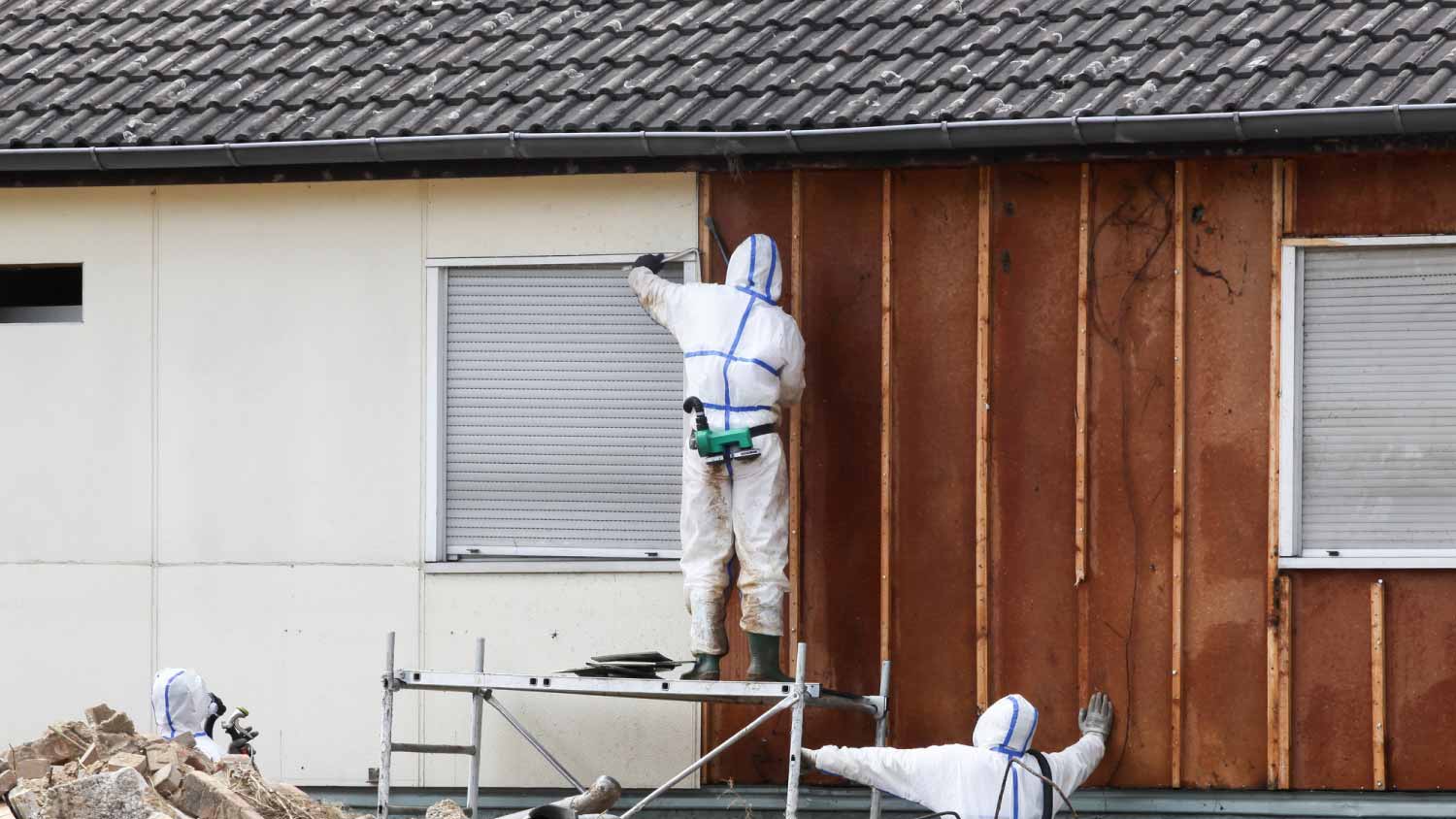
Top-rated asbestos removal specialists.

Best asbestos removal specialists near Sunflower, MS

Enter your zip and get matched with up to 5 pros

Need a pro for your asbestos abatement project in Sunflower, MS?

Select your specific project to find the pro for you.

Top-Rated Asbestos removal specialists in Sunflower - Updated Nov 2026

Frederick Environmental LLC
New to Angi
Asbestos - Abatement

Serving Sunflower, MS and surrounding areas

In business since 2015

Free estimates

We're a locally owned and operated company that values honesty, integrity and treats your home as if it were our own. We offer a variety of home testing services that are customizable to each individual project. We specialize in Toxics Testing, but also offer a wide range of expertise for a variety of other projects. We pride ourselves on the quality of our work, as well as our commitment to outstanding results. We look forward to building lasting relationships and guarantee your satisfaction!

Asbestos Removal FAQs, answered by experts

Vermiculite insulation can be hazardous if it contains asbestos. Asbestos fibers, when released into the air and inhaled, can pose significant health risks. The EPA recommends leaving vermiculite insulation undisturbed to avoid potential exposure. It is crucial to have vermiculite insulation tested by a certified professional to determine if it contains asbestos. If asbestos is present, proper precautions should be taken, including containment or removal by licensed abatement professionals.

According to the Environmental Protection Agency (EPA), hazardous waste is generally classified into four main categories:

1. Characteristic Wastes: These exhibit at least one of four hazardous traits: ignitability (flammable, like gasoline), corrosivity (can rust or decompose materials, like car batteries), reactivity (unstable and can explode, like aerosol cans), or toxicity (harmful when ingested, like lead-based paint).

2. Listed Wastes: These are specific wastes from manufacturing and industrial processes that the EPA has officially designated as hazardous. They include byproducts from processes that use solvents, pesticides, and other chemicals.

3. Universal Wastes: These are commonly generated hazardous items that are subject to streamlined regulations. Examples include batteries, pesticides, mercury-containing equipment (e.g., bulbs), and some lamps.

4. Mixed Wastes: This category includes waste that contains both hazardous and radioactive components, making it subject to regulation by both the EPA and the Nuclear Regulatory Commission.


If you suspect exposure to asbestos, prioritize seeking medical advice by informing your healthcare provider about the potential exposure with clear details about the circumstances that led to the exposure. Regular health check-ups and screenings if you work in high-risk industries or live in a home with asbestos are essential for early detection of any asbestos-related conditions. You should also consider consulting occupational health experts or legal professionals for guidance on potential next steps and preventive measures.

According to the National Cancer Institute, asbestos-related diseases can take anywhere from 10 to 40 years for symptoms to appear. The health risks increase with prolonged and heavier exposure. Risk factors also include:

  • Amount of exposure

  • Chemical makeup, size, and shape of the asbestos fibers

  • Length of time a person is exposed to asbestos

  • Genetic factors 

  • Source of exposure (direct exposure or secondhand exposure from someone directly exposed)

Hazardous waste is waste that poses a threat to human or environmental health. This generally refers to waste that is flammable, corrosive, toxic, or reactive. To confirm if the waste you need to remove is considered hazardous waste, contact your local hazardous waste facility.

The Sunflower, MS homeowners’ guide to asbestos removal services

From average costs to expert advice, get all the answers you need to get your job done.