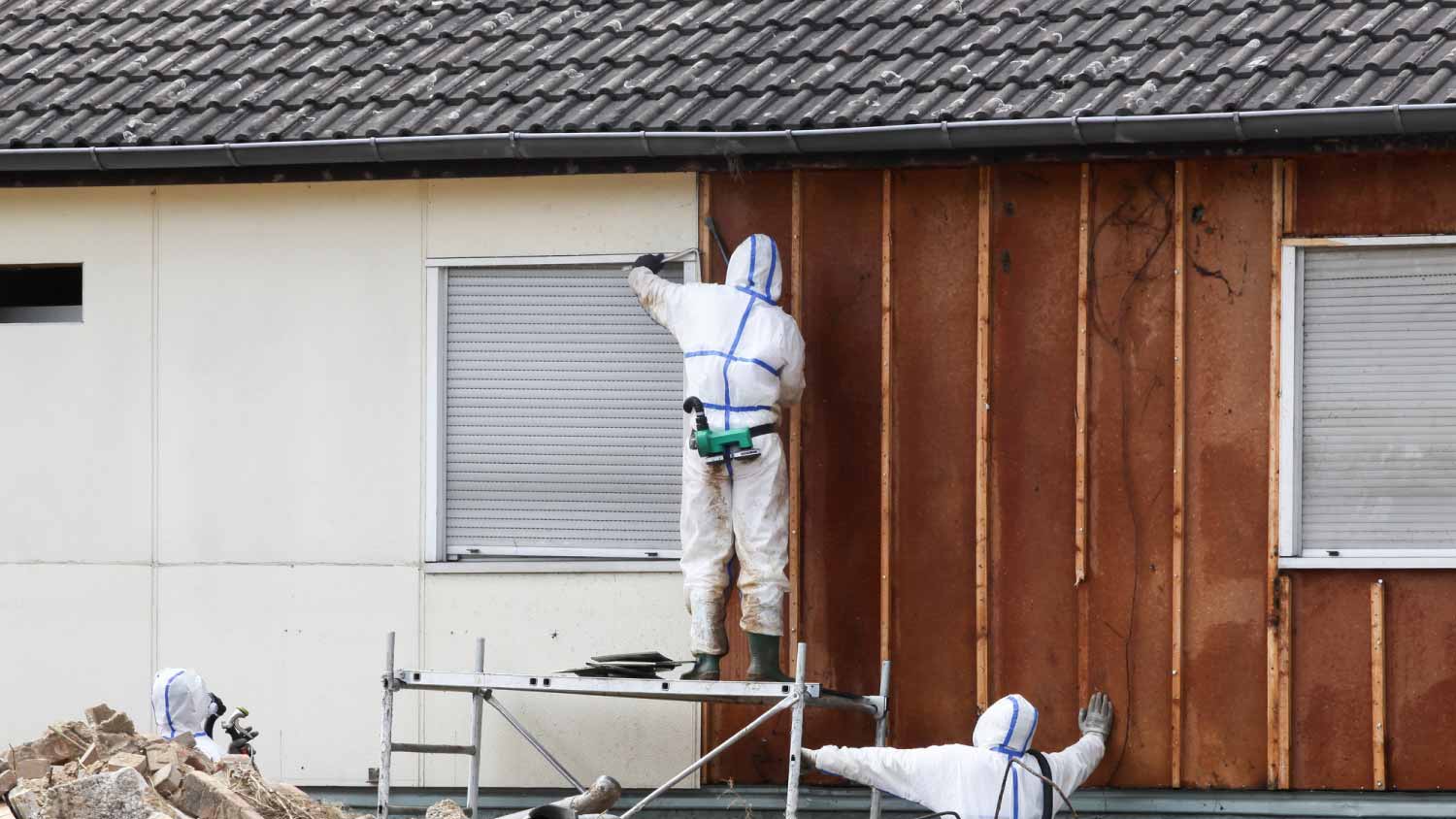
Top-rated asbestos removal specialists.

Best asbestos removal specialists near Drew, MS

Enter your zip and get matched with up to 5 pros

Need a pro for your asbestos abatement project in Drew, MS?

Select your specific project to find the pro for you.

Top-Rated Asbestos removal specialists in Drew - Updated Nov 2026

Frederick Environmental LLC
New to Angi
Asbestos - Abatement

Serving Drew, MS and surrounding areas

In business since 2015

Free estimates

We're a locally owned and operated company that values honesty, integrity and treats your home as if it were our own. We offer a variety of home testing services that are customizable to each individual project. We specialize in Toxics Testing, but also offer a wide range of expertise for a variety of other projects. We pride ourselves on the quality of our work, as well as our commitment to outstanding results. We look forward to building lasting relationships and guarantee your satisfaction!

Avatar for KK Remodeling - Home  Facebook
KK Remodeling - Home Facebook
4.0(
1
)
Asbestos Siding - Repair

Serving Drew, MS and surrounding areas

In business since 2018

Free estimates

Emergency services offered

KK Remodeling is committed to excellence in every aspect of our business. We uphold a standard of integrity bound by fairness, honesty, and personal responsibility. Our distinction is the quality of service we bring to our customers. Accurate knowledge of our trade combined with ability is what makes us true professionals. Above all, we are watchful of our customers' interests and make their concerns the basis of our business.

Recommended by100%of homeowners
Asbestos Removal FAQs, answered by experts

No, but it’s common that they do. Gravity furnaces weren’t terribly efficient so wrapping either the ductwork in asbestos, the furnace itself, or both, was something done regularly. This allowed the system to retain more heat. At the time, this greatly enhanced the efficiency of the furnaces but it wasn’t until later that we became aware of just how carcinogenic and dangerous asbestos could be.

If the tiles are undamaged and in good condition, painting can be a safe method of encapsulating them, but it is important first to evaluate the state of the tiles before proceeding. If the tiles are deteriorating, damaged, or already loose, simply painting over them fails to address the underlying issues that can cause asbestos exposure. It is recommended to consult asbestos abatement experts in such situations to identify the best way to safely manage or remove the asbestos-containing materials. During the painting process, it is crucial to adhere to safety regulations and guidelines to reduce the potential health risks associated with asbestos exposure.

Asbestos is a carcinogen, meaning it increases the risk of cancer. Inhaling asbestos fibers is linked to several respiratory issues, including asbestosis, or scarring on the lungs, lung cancer, and mesothelioma, another type of cancer. There's also a link between asbestos exposure and an increased risk of colon cancer and other cancers of the digestive system.

Usually, the people most at risk for disease related to asbestos exposure are those who spend a lot of time working around the material without protection. Electricians who work with asbestos wire have a higher risk of developing mesothelioma or lung cancer due to their exposure.

Currently, there is no federal licensing mandate for asbestos removal contractors. However, certain cities and states require certification and specialized training. For example, in New York, those handling asbestos must receive an Asbestos Handler Certification. The mandates dictating the necessary training or certifications vary based on state and local laws.

According to the Environmental Protection Agency (EPA), hazardous waste is generally classified into four main categories:

1. Characteristic Wastes: These exhibit at least one of four hazardous traits: ignitability (flammable, like gasoline), corrosivity (can rust or decompose materials, like car batteries), reactivity (unstable and can explode, like aerosol cans), or toxicity (harmful when ingested, like lead-based paint).

2. Listed Wastes: These are specific wastes from manufacturing and industrial processes that the EPA has officially designated as hazardous. They include byproducts from processes that use solvents, pesticides, and other chemicals.

3. Universal Wastes: These are commonly generated hazardous items that are subject to streamlined regulations. Examples include batteries, pesticides, mercury-containing equipment (e.g., bulbs), and some lamps.

4. Mixed Wastes: This category includes waste that contains both hazardous and radioactive components, making it subject to regulation by both the EPA and the Nuclear Regulatory Commission.


The Drew, MS homeowners’ guide to asbestos removal services

From average costs to expert advice, get all the answers you need to get your job done.