




Top-rated welders.

Get matched with top welders in Pelahatchie, MS

Enter your zip and get matched with up to 5 pros

Need a pro for your welding project in Pelahatchie, MS?

Select your specific project to find the pro for you.

Find Welders in Pelahatchie

Avatar for Jonathan Walker
Jonathan Walker
New to Angi

Serving Pelahatchie, MS and surrounding areas

Approved

Free estimates

Offers commercial services

Im a very hard work individual who takes pride in my work. I believe in giving the customer what they want and if not get as close to their goal and vision as possible. I stand behind my work and aim to please.

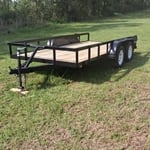
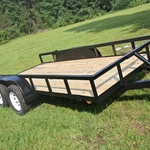
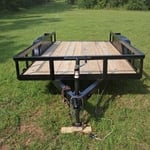
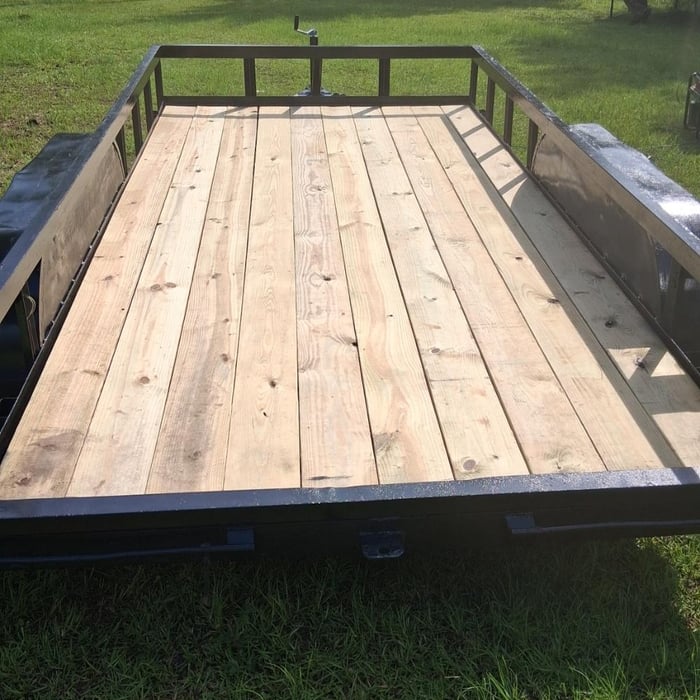
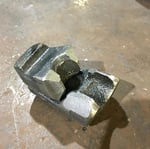
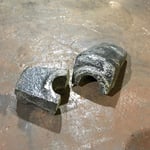
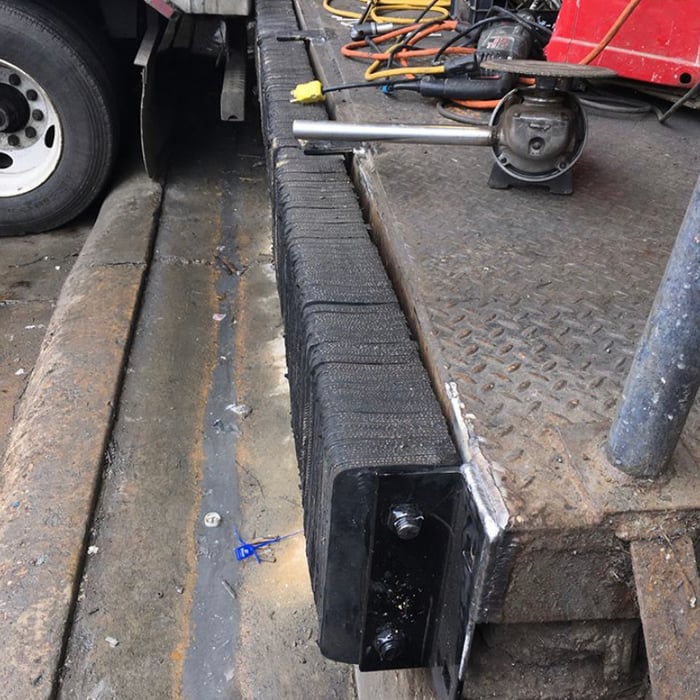
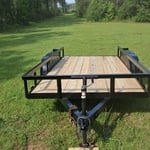
Trailor Restoration
Trailor Restoration
Trailor Restoration
Trailor Restoration
Trailor Restoration

+1

2 neighbors recently requested a quote
Avatar for Myles Welding
Myles Welding
New to Angi

Serving Pelahatchie, MS and surrounding areas

In business since 2013

Free estimates

Small jobs welcome

Over 8 years of experience. We have the experience and we are committed to providing quality workmanship and superior customer service on all our applications. We at Myles Welding strive to maintain our reputation as a high quality, very service oriented company with our main focus being customer satisfaction.\n\n

Response time1 day
...
Showing 1-10 of 53
Welding questions, answered by experts

Your typical household tools will not cut a metal pipe. To cut a metal pipe, you’d need more specialized tools like a pipe cutter or circular saw. Do not attempt to use these tools without taking proper safety precautions and wearing safety gear. It’s usually safer to let a pro cut a metal pipe, especially if you’re not confident in your skills with a heavy-duty saw.

Welding is the process of using extreme heat—and, sometimes, pressure—to attach two pieces of metal. In contrast, metal fabrication is a more involved process that can include welding, sheet metal work, bending, and other forms of metal manipulation. Metal fabrication is a large-scale project that may or may not involve welding, while welding is more often a step in larger fabrication projects.

Cutting round ductwork requires precision and the right tools. A duct cutter, specifically designed for circular ducts, is ideal. First, mark the cutting line on the duct using a measuring tape and pencil. Then, position the duct cutter's blade on the marked line. Apply steady pressure, rotating the cutter around the duct. The sharp blade creates a clean, precise cut. Alternatively, a reciprocating saw with a metal-cutting blade can be used for larger round ducts. Ensure the duct is securely held in place while making the cut to prevent slips and maintain accuracy.

Cutting rectangular ductwork requires careful measurements and the right technique. Use a measuring tape and pencil to mark the cutting lines accurately. Tin snips are excellent for straight cuts on smaller ducts. For more extensive or thicker rectangular ducts, a reciprocating saw with a metal-cutting blade is effective. 

Ensure the duct is well-supported and secure while cutting to prevent wobbling and maintain precision. After cutting, use a metal file to smooth any sharp edges, ensuring safety during installation. 

You should not do your own welding unless you have the proper training and experience. Most home electrical systems can only handle MIG welding, which creates weaker bonds than TIG welding and won’t work on certain metals or metal thicknesses. Both welding forms usually require the use of shielding gas, which can be dangerous to store at home. Additionally, welding machines create temperatures of over 3,000 degrees, and the sparks can blind you if you don’t have the proper equipment. As such, it’s usually better to hire a professional welder for your welding projects.

The Pelahatchie, MS homeowners’ guide to welding services

From average costs to expert advice, get all the answers you need to get your job done.