







Top-rated welders.

Get matched with top welders in Byram, MS

Enter your zip and get matched with up to 5 pros

Need a pro for your welding project in Byram, MS?

Select your specific project to find the pro for you.

Find Welders in Byram

Avatar for Jonathan Walker
Jonathan Walker
New to Angi

Serving Byram, MS and surrounding areas

Approved

Free estimates

Offers commercial services

Im a very hard work individual who takes pride in my work. I believe in giving the customer what they want and if not get as close to their goal and vision as possible. I stand behind my work and aim to please.

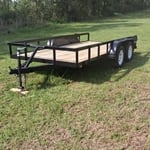
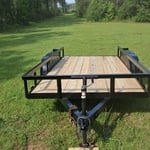
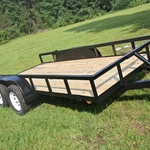
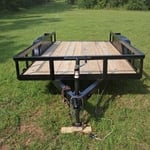
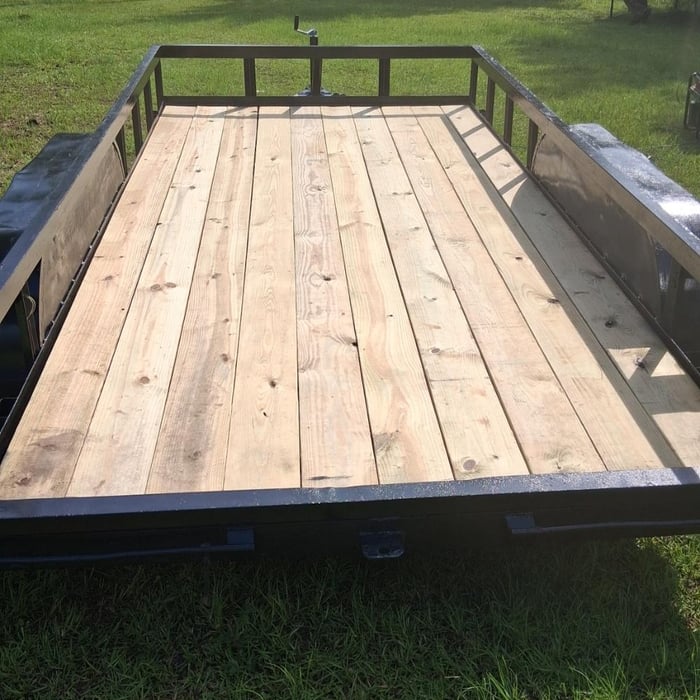
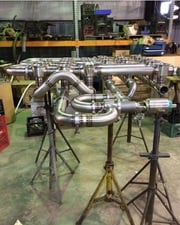
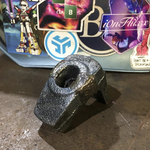
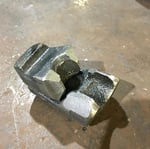
Trailor Restoration
Trailor Restoration
Trailor Restoration
Trailor Restoration
Trailor Restoration

+1

Avatar for Myles Welding
Myles Welding
New to Angi

Serving Byram, MS and surrounding areas

In business since 2013

Free estimates

Small jobs welcome

Over 8 years of experience. We have the experience and we are committed to providing quality workmanship and superior customer service on all our applications. We at Myles Welding strive to maintain our reputation as a high quality, very service oriented company with our main focus being customer satisfaction.\n\n

Response time1 day
Avatar for Buchananmetalfab
Buchananmetalfab
5.0(
3
)

Serving Byram, MS and surrounding areas

In business since 2022

Free estimates

Offers commercial services

"The communication with this company was very pleasant and quick. They came on the same day and got the job done! We highly recommend these honest and hard-working people!"
Response time1 day
Response rate85%
Recommended by100%of homeowners
Showing 1-10 of 36
Welding questions, answered by experts

This all depends on the tools you have on hand and whether you’re trying to cut a straight line or shapes. 

The best tool to use for straight lines is either a circular saw or table saw. When cutting shapes, a jigsaw will be the easiest and most precise tool to use. 

Cutting rectangular ductwork requires careful measurements and the right technique. Use a measuring tape and pencil to mark the cutting lines accurately. Tin snips are excellent for straight cuts on smaller ducts. For more extensive or thicker rectangular ducts, a reciprocating saw with a metal-cutting blade is effective. 

Ensure the duct is well-supported and secure while cutting to prevent wobbling and maintain precision. After cutting, use a metal file to smooth any sharp edges, ensuring safety during installation. 

Cutting round ductwork requires precision and the right tools. A duct cutter, specifically designed for circular ducts, is ideal. First, mark the cutting line on the duct using a measuring tape and pencil. Then, position the duct cutter's blade on the marked line. Apply steady pressure, rotating the cutter around the duct. The sharp blade creates a clean, precise cut. Alternatively, a reciprocating saw with a metal-cutting blade can be used for larger round ducts. Ensure the duct is securely held in place while making the cut to prevent slips and maintain accuracy.

Costs depend on unit complexity, labor, wall mounting needs, and additional accessories like floating shelves.

Yes, you can use a saw to cut metal pipes. The best saw to use is a reciprocating saw, but even a fine-tooth hacksaw can get the job done. No matter which saw you use to cut metal pipes, wear protective gear, like work gloves, safety goggles, and ear plugs. Apply a firm, steady pressure to the tool, and always ensure the pipes are secured so they don't move while you make the cuts.

The Byram, MS homeowners’ guide to welding services

From average costs to expert advice, get all the answers you need to get your job done.

What do you need done? We’ll find top pros.
  • 🌱 "Mow a small front yard"
  • 🛠 "Fix a leaking pipe under the sink"
  • 🏠 "Repair shingles on an asphalt roof"