
Top-rated arborists.

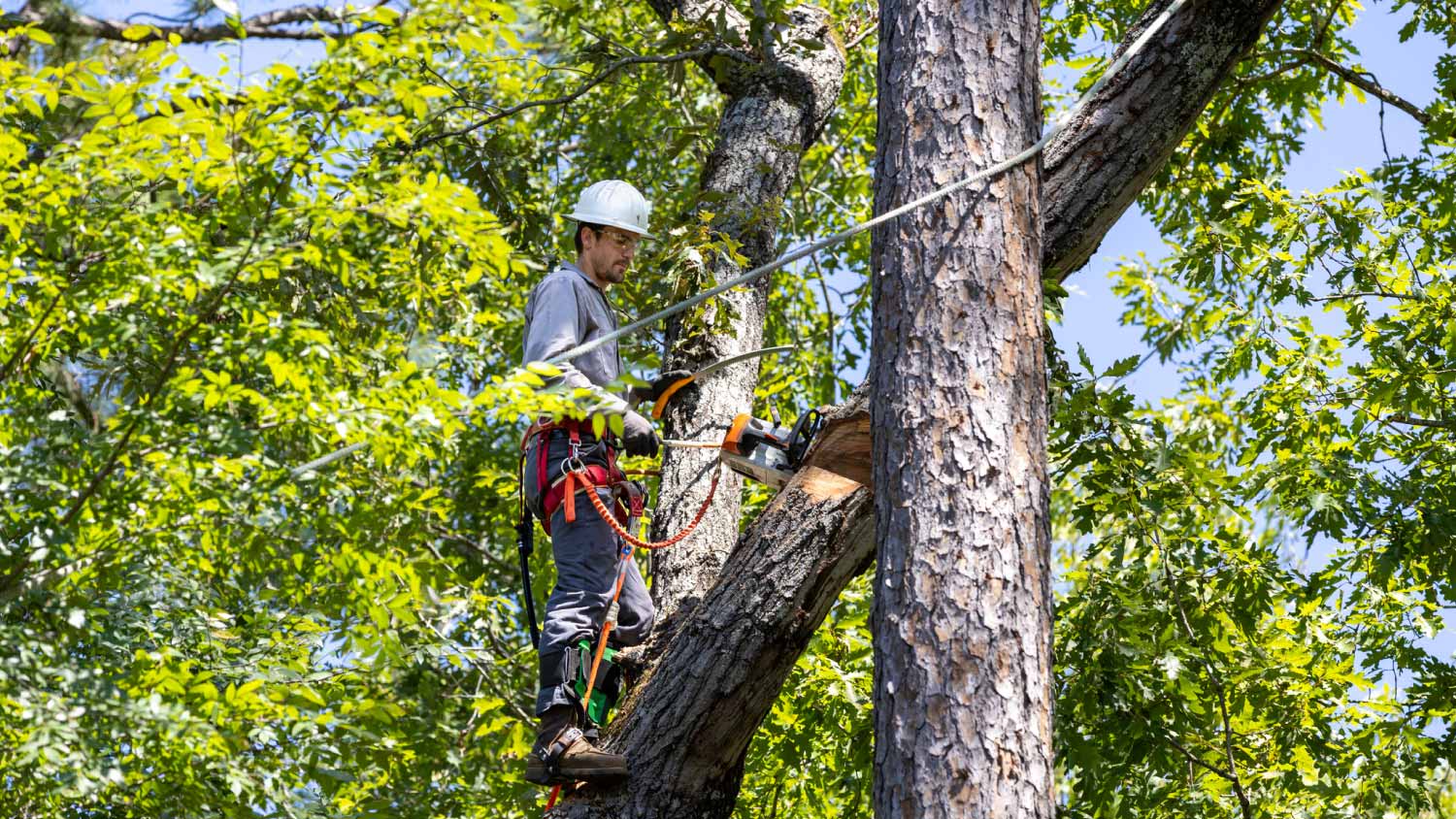
Best arborists near New Albany, MS

Enter your zip and get matched with up to 5 pros

Need a pro for your arboricultural service project in New Albany, MS?

Select your specific project to find the pro for you.

TRUSTED BY NEW ALBANY, MS HOMEOWNERS

  • Average homeowner rating star icon4.9
    Average homeowner rating
  • Verified reviews icon73
    Verified arboricultural services reviews

Top-Rated Arborists in New Albany - Updated Nov 2026

Avatar for Franks movers
Franks movers
New to Angi
Tree Removal

Serving New Albany, MS and surrounding areas

Approved

Free estimates

Small jobs welcome

Credit card accepted

Hi this is franks movers!!! We’re here for all your moving and junk removal needs!!! We have been around for over a year. We offer great, reliable, punctual service! We will get you moved promptly and gracefully. We are here to make your move as stress free as possible. Looking to move or move junk, give us a call!!!!

1 neighbors recently requested a quote
...
Showing 1-10 of 73
Arborists FAQs, answered by experts

Yes, it’s okay to trim low branches on a tree, also known as limbing up or raising the crown. Essentially, you’ll trim the lower third of the tree (trunk) and leave the upper two-thirds of the tree (crown). Arborists recommend trimming 20% of a tree’s leaves per season for two to three seasons. Trimming low branches allows light to flow through the tree, increasing circulation and making the tree stronger and healthier.

Getting a tree pro with the right experience can be the difference between your transplanted tree surviving or not. When hiring a local tree transplanting and removal service, follow up on references, check their portfolio, ask for a breakdown of the costs, and get proof of liability and workers’ compensation insurance. 

Also, look for companies certified by the International Society of Arboriculture or registered with the Tree Care Industry Association and make sure they have an appropriate state or city license.

A tree can grow back from its stump, but full regrowth is unlikely (especially for more stubborn conifer trees). Instead, trees are more likely to send up a number of shoots from the dead stump, which will try to develop into primary stems over time. In other words, it will start to look increasingly bushy. The goal of killing and drying out a tree stump is to prevent that from happening, as well as make the stump easier to completely remove.

You need to remove all branches affected by Dutch elm disease. If your tree has several affected branches, you will probably need to remove the entire tree. First, consult a pro to be sure that you’ve correctly identified it as an elm tree. Make sure the tree is properly disposed of with a plastic covering or through debarking, chipping, or burning.

Some people prefer to leave or even carve a leftover stump, but we recommend removing it if possible. You can often dig out smaller trunks with a shovel once they have died and dried out. You can have stumps professionally removed, or request a service to grind them down to ground level so they can be replaced with other landscaping or objects.

The New Albany, MS homeowners’ guide to arboricultural services

From average costs to expert advice, get all the answers you need to get your job done.