




Top-rated weed maintenance pros.

Get matched with top weed maintenance pros in Houston, MS

Enter your zip and get matched with up to 5 pros

Need a pro for your weed maintenance project in Houston, MS?

Select your specific project to find the pro for you.

Find Weed maintenance pros in Houston

No results for Weed maintenance pro in

Try adjusting your search criteria.
Weed Services questions, answered by experts

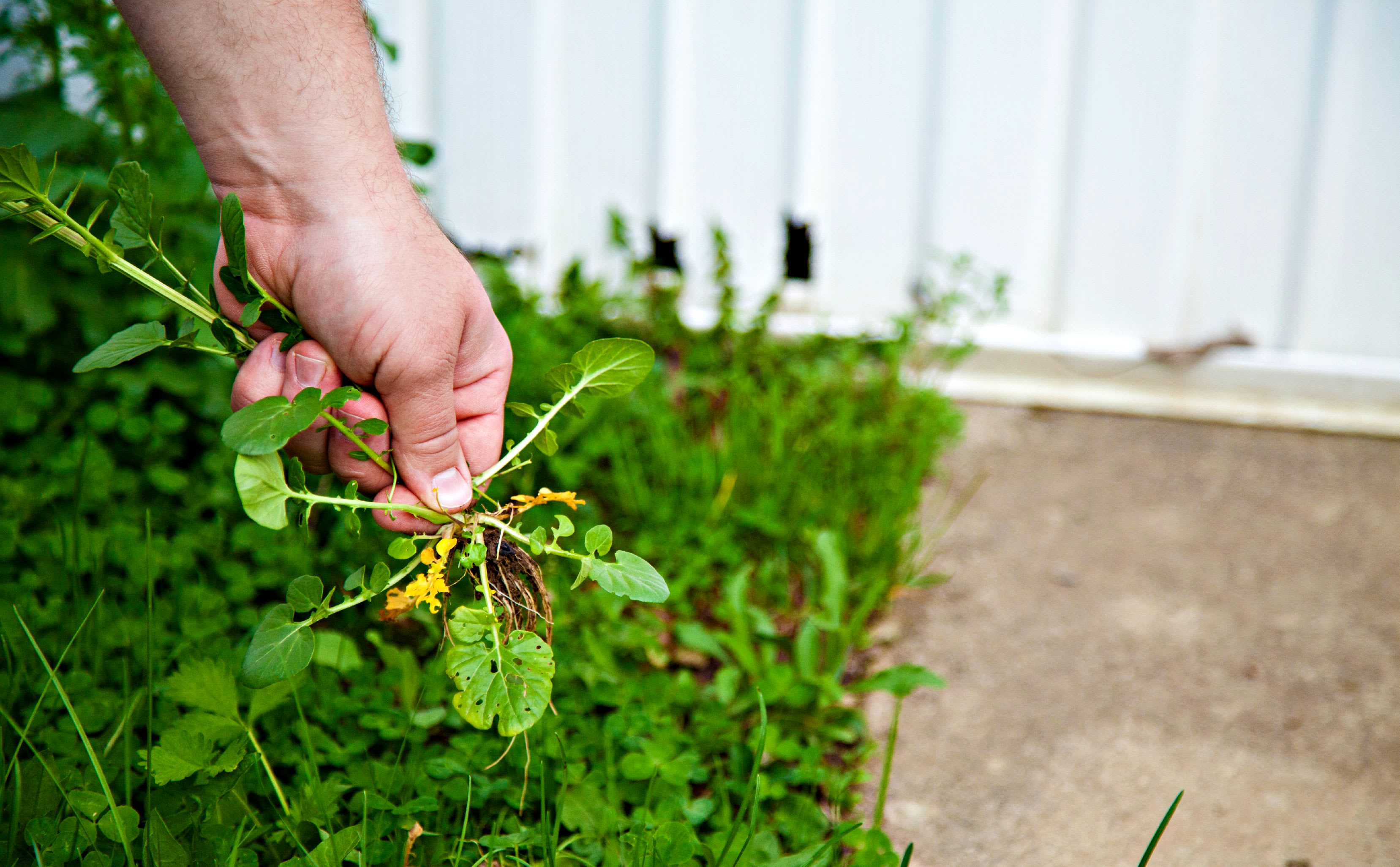
Glyphosate and other non-selective herbicides can kill orchard grass, but they will also kill the surrounding plants. Also, not all areas allow the use of glyphosate due to its environmental impact—which the EPA describes as a "potential risk to terrestrial and aquatic plants and birds, and low toxicity to honeybees." Consider mechanical removal to target the plants specifically.

Herbicides containing a combination of the active chemical ingredients dicamba, fluroxpyr, and quinclorac are most effective at purging your turf of white clover. However, for small home lawns, organic prevention and control can be very effective methods for killing clover weeds and save you from using harmful pesticides that might damage your lawn.

Poison oak is similar to poison ivy in that it's in the same family of plants. Poison oak is identifiable by its rounded-off leaves and hairy leaf texture. Tree-climbing varieties live primarily in western states while low-growing poison oak bushes occupy the eastern states. Treat poison oak like poison ivy to get rid of it permanently.

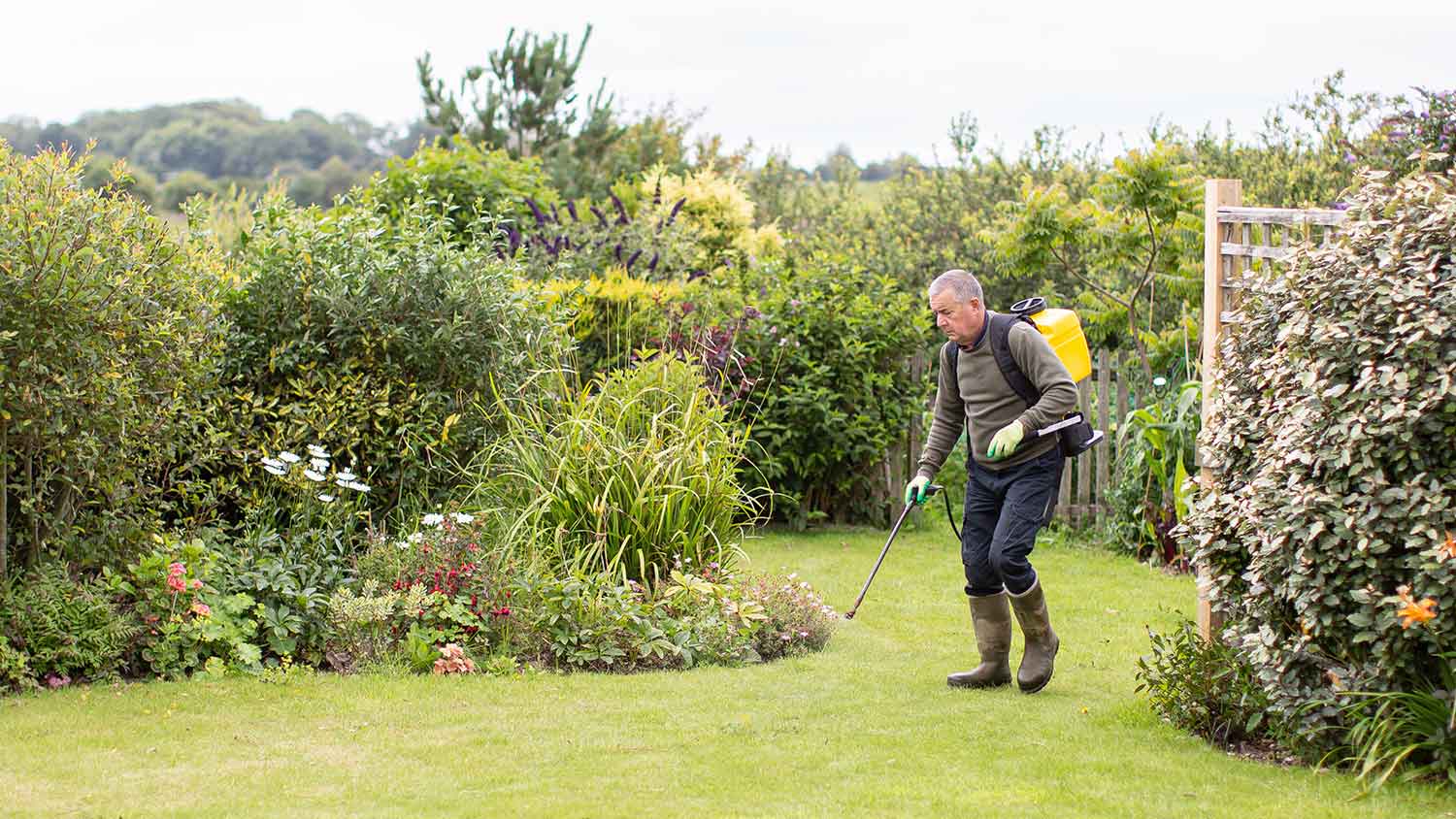
All herbicides come with risks, but you can control and mitigate risks by discussing your options with your weed service company before application. Some companies use milder or sustainable herbicides more times per season to control weeds rather than one to two herbicide sprayings annually. You can also ask your professional about pet-friendly and kid-friendly services. In most cases, though, you can wait a few days after the application for the herbicides to soak into the ground, at that point they shouldn’t pose a risk to you or your family.

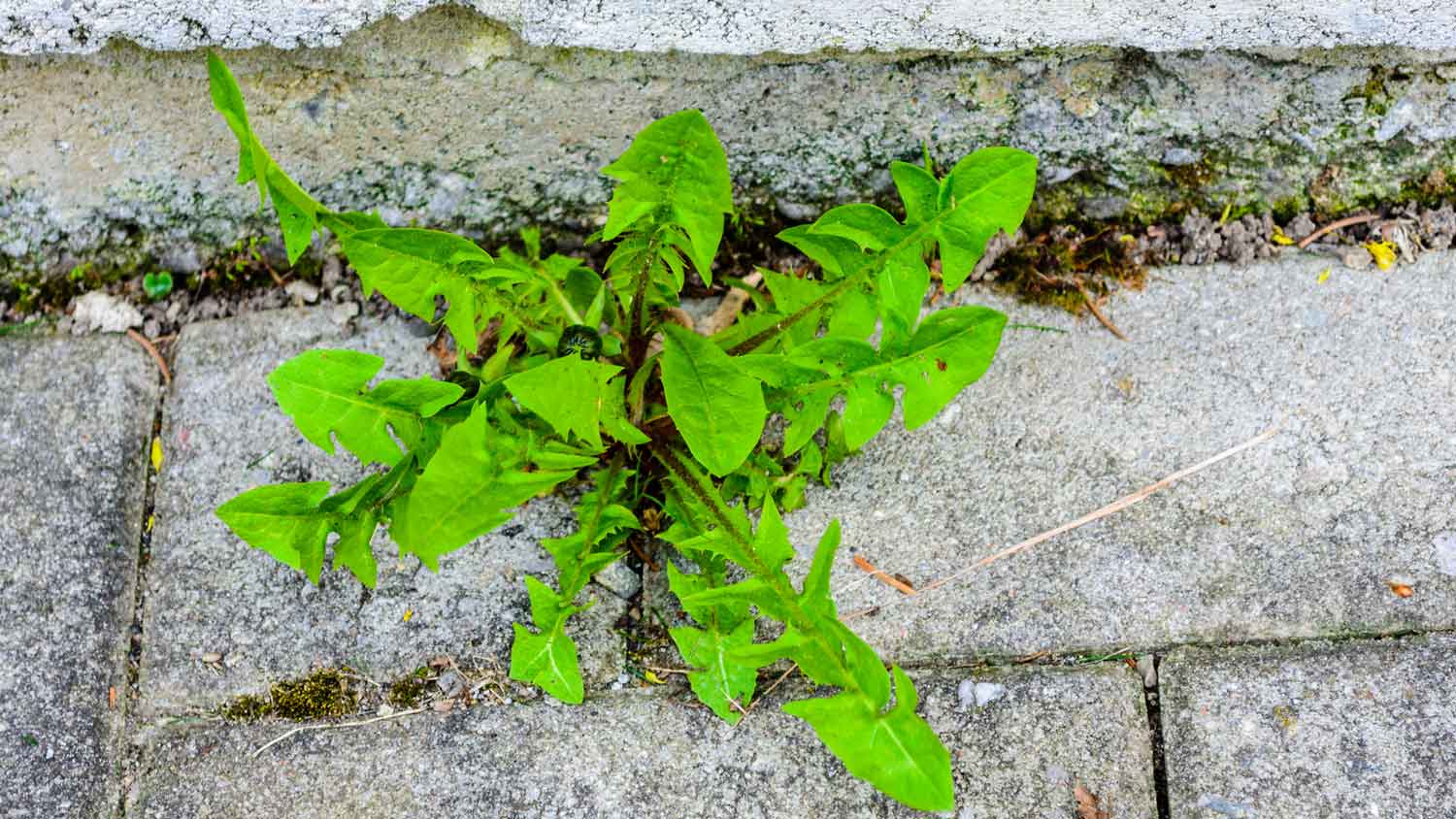
Technically, dandelions aren’t bad for your lawn, and they don’t directly kill grass. In fact, they appear in areas that are nutrient-deprived, and their long taproots can loosen the soil and bring nutrients closer to the surface. 

However, dandelions do spread quickly, and they can take over your lawn, eventually crowding out grass. This is why a healthy lawn is the best defense against dandelions.

The Houston, MS homeowners’ guide to weed maintenance services

From average costs to expert advice, get all the answers you need to get your job done.