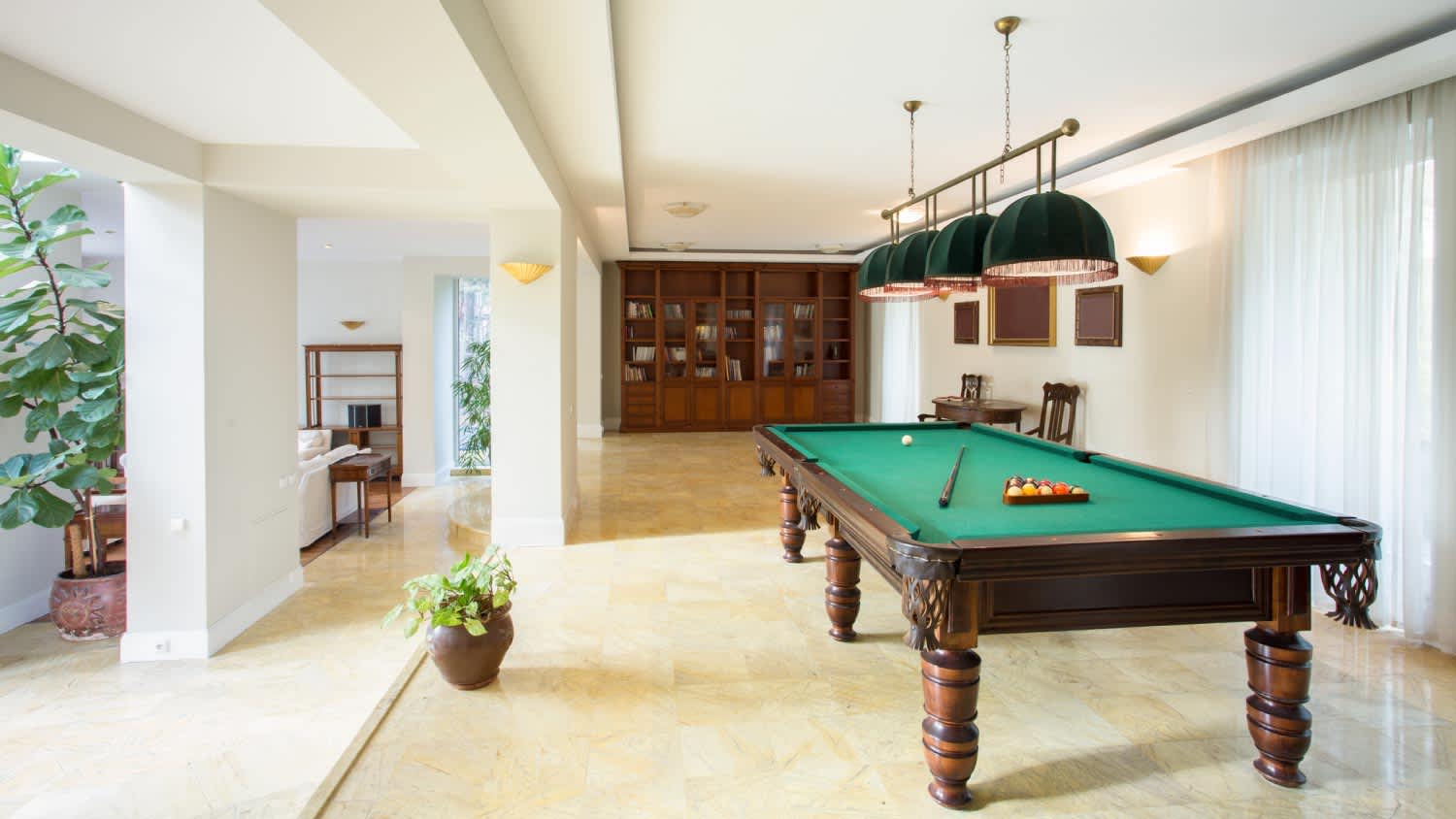





Top-rated pool table assembly pros.

Get matched with top pool table assembly pros in Hamilton, MS

Enter your zip and get matched with up to 5 pros

Need a pro for your pool table assembly project in Hamilton, MS?

Select your specific project to find the pro for you.

TRUSTED BY HAMILTON, MS HOMEOWNERS

  • Average homeowner rating star icon4
    Average homeowner rating
  • Verified reviews icon21
    Verified pool table assembly services reviews

Find Pool table assembly pros in Hamilton

Avatar for Complete Property Restoration
Complete Property Restoration
4.1(
18
)
Handyman for Multiple Small Projects

Serving Hamilton, MS and surrounding areas

In business since 2005

"Complete puts the customer first doing their very best to please the customer. Personnel are honest and genuine. I will definitely be using them in the near future because they r skilled in a lot of areas needed. Good job!"
Response time4 days
Recommended by93%of homeowners
...
Showing 1-10 of 109
Pool Table Assembly questions, answered by experts

Liquid chlorine is better for shock treatments or instances where you need to raise your chlorine levels quickly. Tablets are better for regular maintenance. Tablets take more time to dissolve but require less effort. You don’t need to measure out volume, and you can set them in a floater and let that do the work.

The generator in your saltwater pool conversion kit transforms sodium chloride—the same salt as table salt—into chlorine. A process called electrolysis sends electricity through the water to interact with the chlorine ion. This ultimately creates the chlorine that keeps your pool safe and clean. The cell in your saltwater chlorine generator is the part that converts the salt into chlorine.

The best time to schedule an annual pool inspection is early or late spring, before the busy summer season. Your inspector can identify urgent issues so you can address them before using the pool. If your region is warm year-round, schedule an inspection before you start swimming regularly. 

The total time to install an inground pool typically ranges from 8 weeks to 4 months. This timeline can be influenced by several factors, including permitting, site preparation, and the construction process itself.

Key phases and their typical durations include:

  • Permits: Obtaining necessary permits can take anywhere from two to six weeks.

  • Excavation and Site Preparation: This phase takes about a week but can be extended by problematic soil, unexpected ground conditions, or the need to move underground utility lines.

  • Construction: The actual build, including plumbing and electrical work, often takes one to two months. The pool material is a major factor here; a concrete pool needs about 30 days to cure, while installing a fiberglass or vinyl liner is much faster.

External factors can also cause significant delays:

  • Contractor Availability: Spring and summer are busy seasons, and high demand can lead to long waitlists, potentially adding months to your start date. It is often recommended to start planning and getting estimates up to a year in advance.

  • Other Delays: Weather, material shortages, complex designs, and other unforeseen challenges can extend the project timeline.

Installing an infinity pool takes up to 12 weeks. It can take as long as 20 weeks if you have a complex design, are building a pool in an inaccessible area, or face weather-related construction delays. Either way, this is a big job that requires a lot of time and labor to get it right. Pool construction is not a job that should be rushed, as poor installation can lead to expensive recurring repair costs. 

The Hamilton, MS homeowners’ guide to pool table assembly services

From average costs to expert advice, get all the answers you need to get your job done.