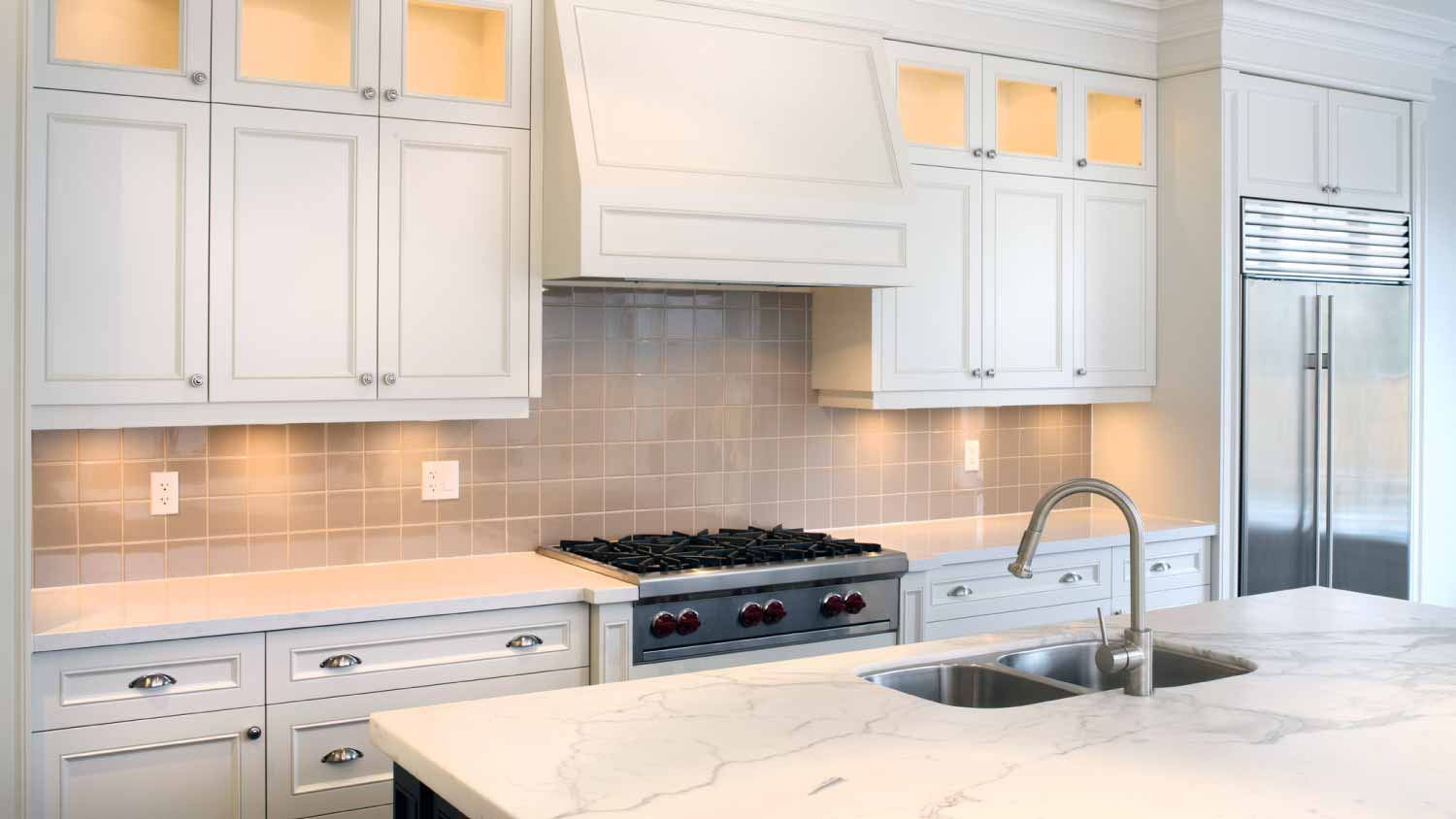






Top-rated marble restoration pros.

Best marble restoration pros near Goodman, MS

Enter your zip and get matched with up to 5 pros

Need a pro for your marble restoration project in Goodman, MS?

Select your specific project to find the pro for you.

Top-Rated Marble restoration pros in Goodman - Updated Nov 2026

C & A Granite
New to Angi
Stone Restoration & PolishingStone Slab Countertops - Repair (Granite, Marble, Quartz, etc)

Serving Goodman, MS and surrounding areas

In business since 2025

Free estimates

Credit card accepted

C & A Granite is committed to excellence in every aspect of our business. We uphold a standard of integrity bound by fairness, honesty, and personal responsibility. Our distinction is the quality of service we bring to our customers. Accurate knowledge of our trade combined with ability is what makes us true professionals. Above all, we are watchful of our customers' interests and make their concerns the basis of our business.

Showing 1-10 of 24
Marble Restoration FAQs, answered by experts

Extensive chips and cracks may require a full replacement of the countertop. The cost to install a new countertop is around $3,100 on average. But, if the damaged area is relatively small, you may want to consider repairing it yourself or calling in a qualified professional. Depending on the material, some epoxy and sandpaper may do the trick. Or you can consider painting laminate countertops or refinishing butcher block countertops.

It’s generally safe to use a Magic Eraser on quartz countertops. Magic Erasers are made from melamine foam, a gentle abrasive that can remove scratches and stains from various surfaces. Although using abrasive cleaners on quartz is not recommended, the melamine foam is gentle enough to remove minor stains and scratches without permanently damaging the quartz countertops.

Since cesspits must be watertight to prevent leakage and contamination, so they’re typically constructed from one of a few tough materials. Most cesspits are made from fiberglass, concrete, polythene, or steel. Each of these materials carries certain advantages—fiberglass, for example, is resistant to corrosion but may be more prone to cracking if it’s at high capacity.

The frequency for sealing granite countertops depends on several factors, including the type of sealant used, the color of the granite, and how heavily the countertops are used. As a general guideline, resealing is often recommended every 12 to 18 months, but some sources suggest it could be as often as every few months or at least once a year.

The type of sealant is a major factor: water-based sealants may need reapplication every six months to a year, while more durable solvent-based sealants can last for five to 10 years. Additionally, factors like heavy kitchen traffic, frequent use of acidic cleaners, and lighter granite colors may require more frequent sealing to prevent staining.

To determine if your countertops need resealing, you can perform a simple water test. Place a few drops of water or a wet paper towel on an inconspicuous area of the granite. After 10 to 15 minutes, check the spot. If the water has beaded up, the seal is still intact. If the water has been absorbed and darkened the stone, it's time to apply a new coat of sealant. You can choose to seal the granite yourself or hire a professional to ensure it's done correctly.

Acid can seriously damage granite countertops and lead to etching and erosion. This is why cleaning with vinegar isn’t recommended. Other acidic items that you should keep away from your granite countertops include:

  • Citrus

  • Acetone nail polish remover

  • Tomatoes

  • Ammonia

In addition, always steer clear of using bleach on or around your granite as it will degrade the countertop’s sealant quickly.

The Goodman, MS homeowners’ guide to marble restoration services

From average costs to expert advice, get all the answers you need to get your job done.