





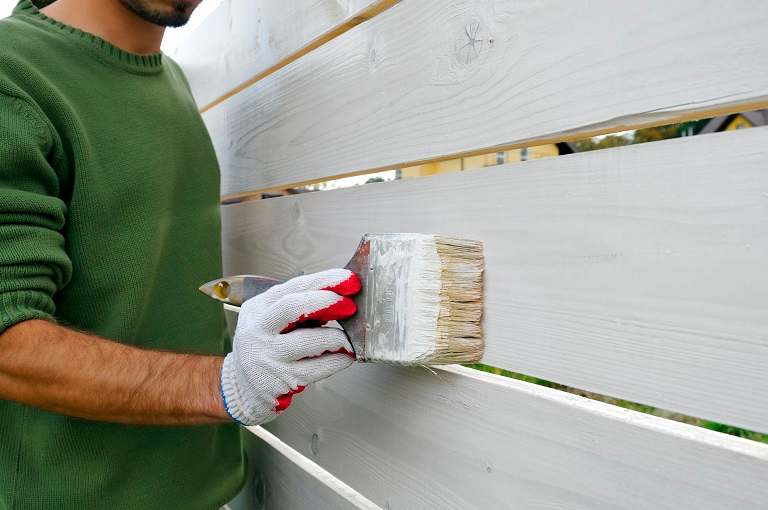
Top-rated fence painters.

Get matched with top fence painters in Fulton, MS

Enter your zip and get matched with up to 5 pros

Need a pro for your fence painting project in Fulton, MS?

Select your specific project to find the pro for you.

Find Fence painters in Fulton

No results for Fence painter in

Try adjusting your search criteria.
Fence Painting questions, answered by experts

Overall costs depend on the fence height and length, prep work required, and labor if hiring professionals, ranging between $1 and $4 per square foot.

Limewash and whitewash are two techniques used to give brick a light, matte finish, but they differ in composition, application, and permanence. The best choice depends on your aesthetic goals and the specific surface.

Composition

  • Limewash: A natural and environmentally friendly option made from limestone, water, and sometimes pigments. It is breathable and soaks into porous surfaces like brick.

  • Whitewash: Traditionally made from lime, water, chalk, and binders, but a similar look can be achieved with watered-down white paint. It is paint-based and sits on top of the surface.

Appearance and Finish

  • Limewash: Provides a natural, textured appearance that allows the brick's character to show through. It offers a more traditional finish.

  • Whitewash: Creates a softer, more opaque finish, often used for a rustic or shabby-chic style.

Application and Permanence

  • Limewash: Is semi-permanent and can be removed, making it a good choice if you might want to change the look in the future. It requires more skill to apply and cannot be used on previously painted brick.

  • Whitewash: Is a more permanent solution. It is more forgiving to apply and can be used on painted brick. However, because it sits on the surface, it can trap moisture.

Ultimately, if you want a breathable, natural, and reversible finish for unpainted brick, limewash is a great option. If you need a more permanent, opaque coating that can be applied over painted surfaces, whitewash is the better choice. Whitewashing may also be more economical, costing approximately $1.40 to $4.20 per square foot.

Stain is meant to be absorbed by the porous wood, allowing some of the natural grain to show through. With that in mind, you don’t want to add more stain than the wood can absorb, as you risk covering up its natural markings. Generally, two coats is the maximum you should do, although very dense hardwoods may only be able to take a single coat.

Staining a wood fence isn’t guaranteed to prevent warping, but it can help. Plus, it’s a beginner-friendly DIY project that you can finish in a few days. If you want to try it, you’ll start by stripping it of any old stain or paint, then sanding it. After that, you’ll clean it and spot-treat any mold or mildew. When it’s dry, you can apply the stain.

Opt for an interior wood stain that is rated for your type of wood. Consider your personal style preferences as well as the overall use of the room when choosing a color. Remember, the color you see at the store may look different on your actual floors once applied. This is why if you have the chance, it’s helpful to test a few options on a scrap piece of wood in the room first. Once you narrow it down, you can test a small patch on an inconspicuous area in the room to see it on the actual floors.

The Fulton, MS homeowners’ guide to fence painting services

From average costs to expert advice, get all the answers you need to get your job done.