My name is Jared and I enjoy what I do for a living. I offer professional and quality services in home remodeling and I take my time and do everything the customer asks. I have been doing construction since I was a young man at the age of 16 and I'm 47 year's old now,In. 2026.. If you have any questions about anything else please contact me and I'll try my best to answer any questions you have about any project.Also thank-you for reading and have a wonderful day.
I am a very detail retired retail manager of 32 years of dedicated service. After all of these years in retail management I have quite an eye for the smallest details when it comes to cleaning your home or cutting your grass.
"We have Frontpoint at two houses. We had been looking for ways to cut our monthly expenses (Frontpoint is approx. $100 per month total), so I called them to find out what I could do. They informed me that I was under contract for another year, and that I cannot get out of the contract without an early termination fee that is equal to the cost of the service. I'm a little disappointed, because the upfront cost of the system was very expensive ($1,000+) for each house, so it seems odd that I would get sucked into this contract. Nevertheless, I forgot that I signed up for this with them. My calendar is marked for the day that my service ends, and I will be switching to a company that charges about half of what they do. They have OK customer service and are very responsive, but the wireless system had some issues with reception in my house due to a fireplace, and then they didn't want to work with me to get that resolved. They're OK, but I can't really recommend them."
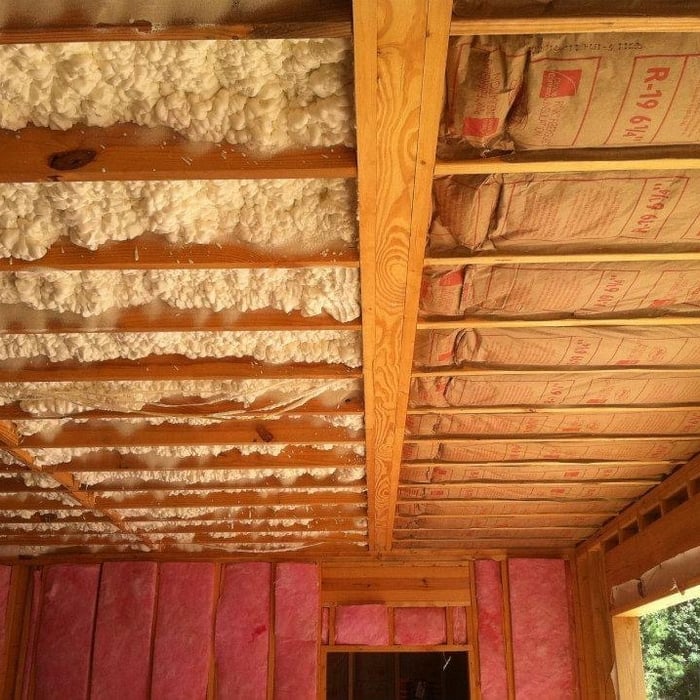
Looking for reliable insulation services? Look no further than Queen City Insulation Co Inc. With 35 years of experience, our home owned and operated business is here to meet all your insulation needs. Contact us today!
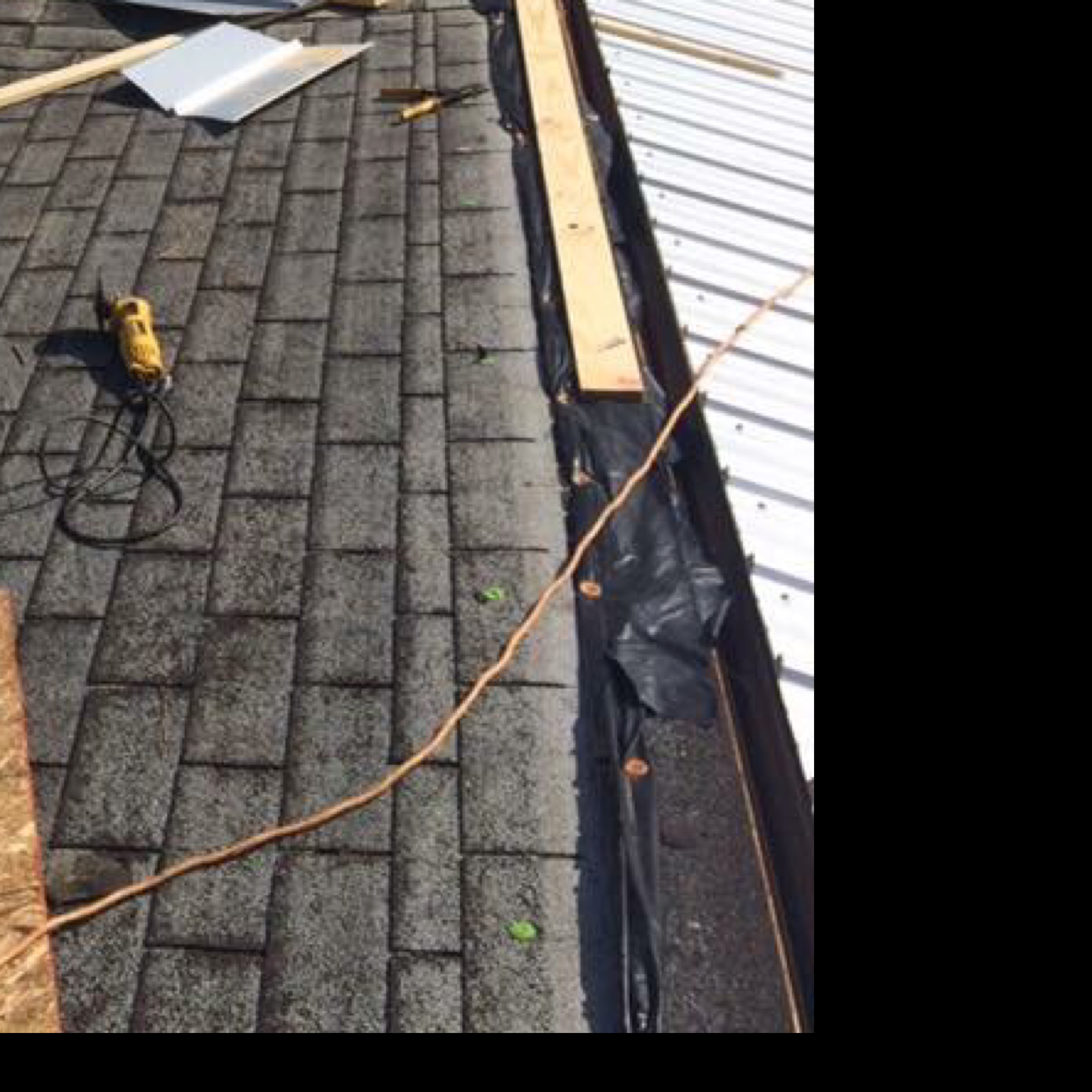
Roger Moore Roofing and Remodeling has been in business for over 20 years. We specialize in roofing and all remodeling projects. No job is too small or large. Contact us today for your free estimate.
Operating since 1969 with having had offices in Houston Texas and Atlanta Georgia. We are a local company based out of Hattiesburg petal area. We are licensed bonded and Insured.a family owned proud to serve the people overstreet a family name you can count on an trust.
We are a locally owned and operated company that values honesty and integrity, and treats your project as if it were our own. We offer a variety of services that are customization to each individual project. You will find us to be competitively priced, paying close attention to the details of each and every project that we are involved with. We look forward to building lasting relationships, and guarantee your satisfaction!\n
G & W Construction specializes in masonry work as well as general contracting work. Whether you�re looking to increase the size of your home or just looking to beautify it, give us a call today.
When done correctly by a professional, chimney repointing can last for several decades—often 30 years or more. This maintenance is crucial for keeping the chimney structure sound, improving its waterproofing, and preventing more significant and costly repairs, such as a partial or complete rebuild. It is recommended to schedule an annual inspection to catch any potential issues early. If you notice the chimney's brickwork looks worn out or crumbly, you should hire a professional to inspect it.
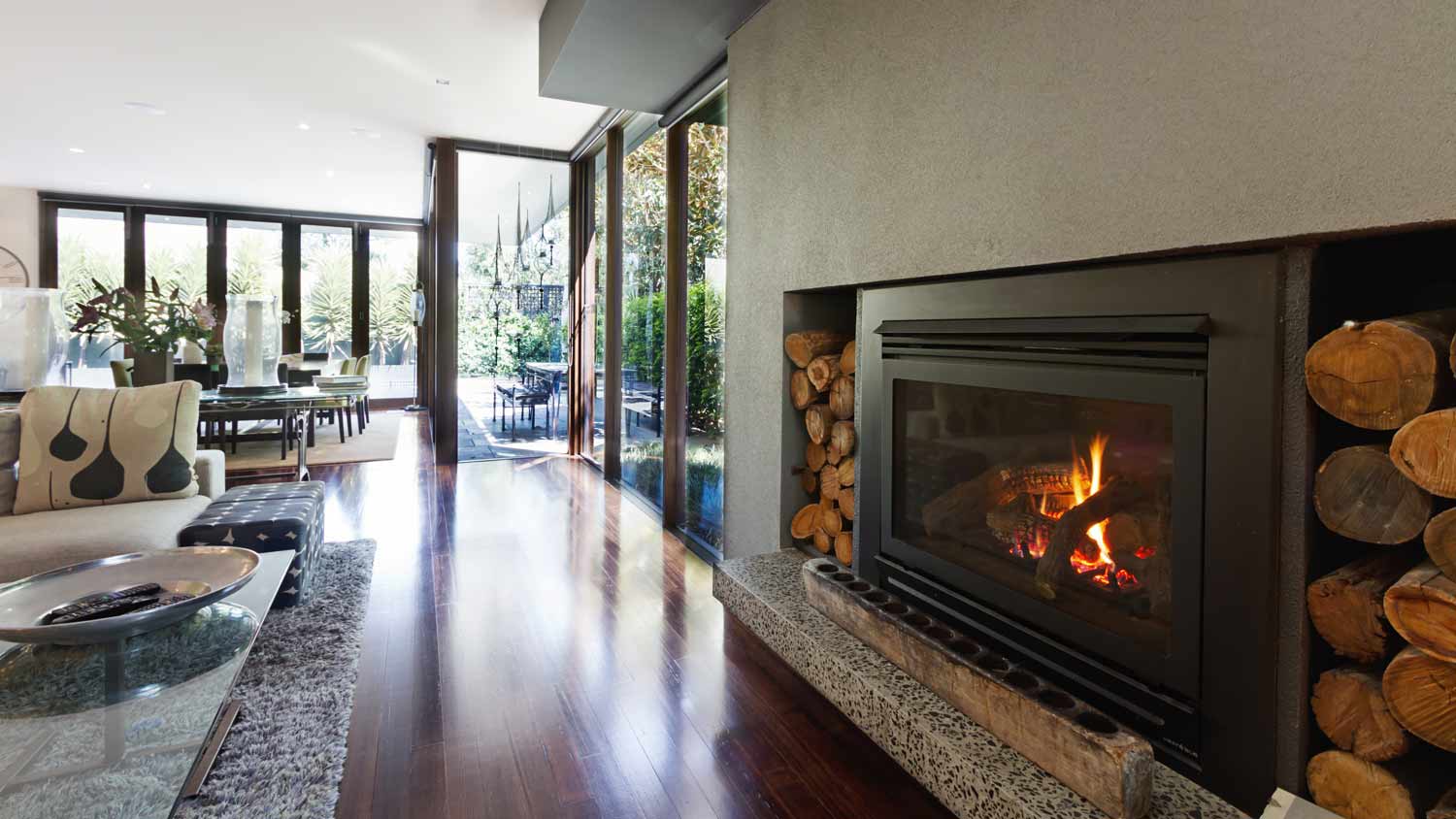
Yes, you can operate an electric fireplace (and other types of fireplaces) without the remote. If you’ve misplaced the remote or are waiting for the replacement to arrive, you can still control the fireplace at the access panel. You can find the access panel near the firebox, typically located at the bottom or top of this section.
Regular cleaning prevents the buildup of creosote and soot, ensuring good airflow and reducing the risks of chimney fires that could compromise safety.
Yes, capped chimneys should still be vented. Failing to vent a chimney will result in condensation buildup inside the chimney, which commonly results in mold growth. If mold begins to grow in a chimney, it frequently goes undetected and spreads quickly through the home. Mold and moisture can damage the structural integrity of your home, and exposure to mold can cause discomfort and illness in residents.
A fireplace can increase a home's value by as much as 12%, with some reports indicating that homes with fireplaces list for around 13% more than the median sale price. Fireplaces are both functional and aesthetically pleasing, adding a charm that many homebuyers find desirable. The actual return on investment depends on the fireplace's size, type, and material.
However, a fireplace can detract from a property's value if it is unusable, not up to code, or in need of immediate repairs. The type of fireplace also matters; custom electric fireplaces and inserts can add value, while freestanding units that can be removed have less impact.
The Drew, MS homeowners’ guide to fireplace services
From average costs to expert advice, get all the answers you need to get your job done.
With a gas fireplace, it’s important to stay up-to-date on your inspections. Learn more about how much gas fireplace inspections cost before you book one.
Find out if you really need a chimney to install a fireplace in your home. This guide helps you understand your options, such as a ventless fireplace, when choosing the right fireplace for your home if you don't have a chimney.