


Top-rated woodworkers.

Best woodworkers near Bentonia, MS

Enter your zip and get matched with up to 5 pros

Need a pro for your woodworking project in Bentonia, MS?

Select your specific project to find the pro for you.

Top-Rated Woodworkers in Bentonia - Updated Nov 2026

Avatar for Homemade Design
Homemade Design
3.7(
322
)
Furniture - Build Custom

Serving Bentonia, MS and surrounding areas

In business since 2006

Credit card accepted

"The man I talked to was very professional and timely. However, he explained that this particular job was beyond the scope of what their company does. I would certainly use them on another 'issue'.
"
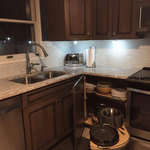
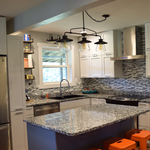
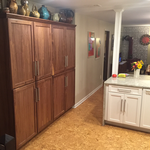
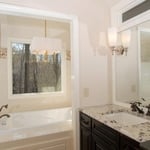
Pennsylvania Master Bathroom
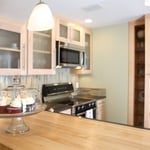
Boston Small Condo Kitchen
California Client Saves with HMD Designer Discounts
Recommended by54%of homeowners
Avatar for D & L FLOORING AND DESIGN, LLC
D & L FLOORING AND DESIGN, LLC
5.0(
3
)
Custom Cabinets - Build

Serving Bentonia, MS and surrounding areas

In business since 2015

Free estimates

Credit card accepted

"After a tree fell on my home, I was so concerned about the amount of work that needed to be done and wondered who I could trust with the repairs. D & L FLOORING AND DESIGN, LLC came highly recommended and I cannot speak highly enough about the quality and efficiency of their work. They handled it all, including communicating with my insurance company to make my experience easier. I recommended them for any work and plan to use them for all of my future needs."
Response time7 hrs
...
Showing 1-10 of 90
Woodworking FAQs, answered by experts

There are two ways you can cut trim for doorways: with a miter saw or a table saw. Mitered joints need a 45-degree angle. If you’re unfamiliar with a miter saw, you might want to consider buying extra trim pieces or choosing butted joints instead. One wrong cut, and you’ll need to power up the saw again with a new piece. 

Butted joints—also called shaker style—don’t need a 45-degree angle. Instead, your side pieces attach perpendicularly to the header trim and only require a straight cut.

Yes, ceiling joists are typically load-bearing. However, their primary function is to support the weight of the ceiling and loads applied to it, like lighting fixtures and ceiling fans. They can also help support the roof, especially if they’re part of truss systems. Remember, the load-bearing capacity of ceiling joists depends on the material, size, and space between them. 

Baseboards don’t have to be nailed into studs. However, nailing them into studs adds to their stability. When studs aren’t available, you can secure them with drywall nails directly into the drywall and adhesive. Always aim to nail into studs, especially in high-traffic or impact-prone areas.

You don’t need a cutting board. In fact, cutting is the original purpose of butcher block countertops. That said, wood is porous and can harbor germs. You’ll need to clean your countertop thoroughly after use. Knives can also scratch the surface. This adds to the patina of the wood, but not everyone likes the look—in which case, you may want to use a cutting board.

Yes, you can find ceiling joists using simple tools if a stud finder isn't available.

Using a hammer requires patience and a keen ear. Gently tap the ceiling in a grid pattern, listening for sound changes. A hollow sound indicates space between joists, while a solid, dull thud suggests a joist. Mark the location with a pencil and confirm by tapping from different angles.

Alternatively, you can use a nail, but this method will leave small holes. You'll feel increased resistance when the nail hits a joist. Mark the spot and repeat the process every 16 or 24 inches to map the joist locations. This method is considered less reliable than using a stud finder.

The Bentonia, MS homeowners’ guide to woodworking services

From average costs to expert advice, get all the answers you need to get your job done.