






Top-rated deck staining pros.

Get matched with top deck staining pros in Unionville, MO

Enter your zip and get matched with up to 5 pros

Need a pro for your deck staining project in Unionville, MO?

Select your specific project to find the pro for you.

Find Deck staining pros in Unionville

Avatar for Top Notch Renovations  Facebook
Top Notch Renovations Facebook
4.6(
9
)

Serving Unionville, MO and surrounding areas

In business since 2014

Free estimates

Offers commercial services

"They built a very nice deck for me in only 2 days and I was quite happy with the price. Really good guys, they worked through some very cold and windy weather to get it finished."
Response time3 hrs
Response rate100%
Recommended by100%of homeowners

Showing 1-10 of 22
Deck Staining questions, answered by experts

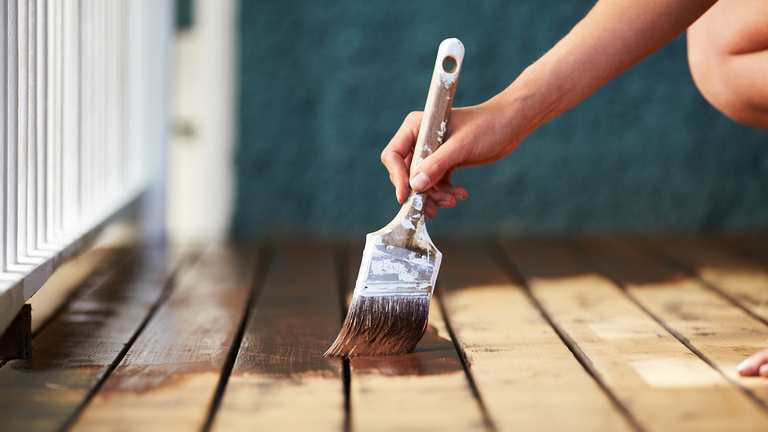
When staining a deck, don’t skip surface prep, avoid staining damp or dirty boards, and don’t apply stain in extreme heat, cold, or wet conditions. Never overload the wood with a stain, as too much can cause tackiness or peeling. Also, don’t forget to test a small area first to ensure the color and finish look right.

You can refresh a painted deck by either giving it a thorough cleaning or refinishing the deck altogether. Chipped or faded paint, as well as extensive damage, often calls for a new finish. To do this, remove the original coat of paint with a sander and add either a new coat of paint or a stain to protect the wood below.

Satin paint is generally considered a better choice for woodwork—including trim, baseboards, cabinets, and doors—than flatter finishes like eggshell or matte. Its soft sheen enhances architectural details and stands up well to frequent cleaning and daily wear. Compared to eggshell and matte finishes, satin is more durable for high-touch areas because it is less porous and doesn't absorb dirt as easily. Matte finishes, in particular, are prone to scuffs and are harder to clean, making them less practical for surfaces like doors and cabinets.

You don’t necessarily have to remove all the old paint before repainting your deck, but it’s best to remove as much as possible to ensure a smooth and long-lasting finish. Prioritize scraping off loose, peeling, or flaking paint, and sand down rough areas to create a smooth surface for the new paint to bond with.

Applying too much sealer to a deck might seem like extra protection, but it can cause more harm than good. Wood is a porous material with a limited capacity to absorb liquids. When you go overboard with sealer, the excess can't soak in and instead forms a film on the surface. This leftover layer is prone to peeling, cracking, and trapping moisture, ultimately defeating the purpose of sealing in the first place. 

The Unionville, MO homeowners’ guide to deck staining services

From average costs to expert advice, get all the answers you need to get your job done.