




Top-rated lawn irrigation specialists.

Get matched with top lawn irrigation specialists in Steele, MO

Enter your zip and get matched with up to 5 pros

Need a pro for your lawn irrigation project in Steele, MO?

Select your specific project to find the pro for you.

Find Lawn irrigation specialists in Steele

Avatar for Delta Outdoors and Landscaping
Delta Outdoors and Landscaping
New to Angi

Serving Steele, MO and surrounding areas

Approved

In business since 2021

Free estimates

Credit card accepted

At Delta Outdoors and Landscaping, we pride our company on reliability, great communication, integrity, and quality work. We are experts in our trade and will do our best to keep you as educated as we can on your particular task or project. We look forward to earning your business.\n\n

Response time1 day

Avatar for Choice Home Warranty
Choice Home Warranty
4.0(
5,676
)

Serving Steele, MO and surrounding areas

In business since 2008

Emergency services offered

Credit card accepted

"Timothy did a fantastic job replacing our toilet in our bathroom. He explained everything as he worked, helped us to get the best pricing possible on the job and was very friendly with my four year olds of daughter who was thrilled to receive an ECO sticker! Timothy went above and beyond to help us today and we will definitely be using ECO Plumbers again!"
Recommended by82%of homeowners
Avatar for Stanley's Home Improvement
Stanley's Home Improvement
3.3(
12
)

Serving Steele, MO and surrounding areas

Free estimates

Emergency services offered

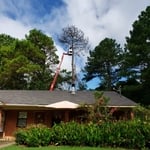
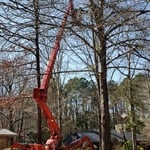
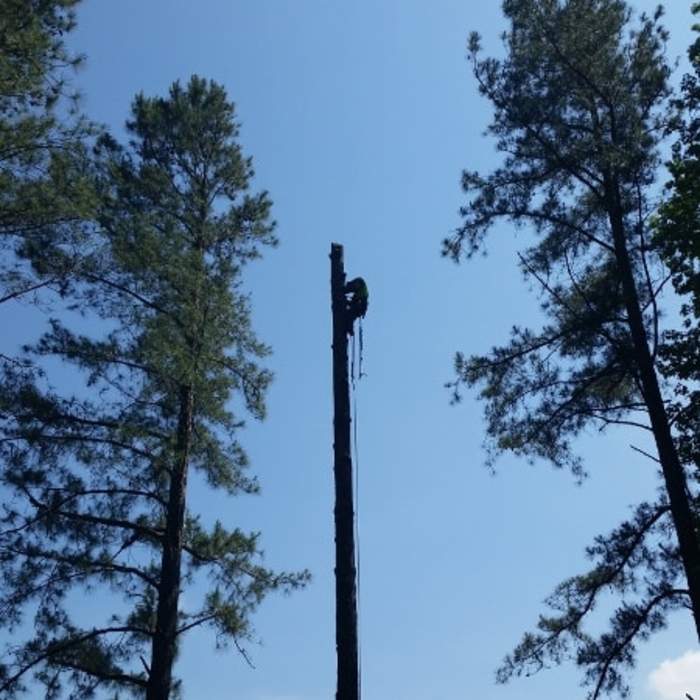
"They did a very amazing job with the amount of trees i was needing done, they was very respectful and a very affordable price, my wife also hired then again when they mentioned landscaping and it was outstanding. I will call them again for the trees and landscaping needs next year!"
Additional Photos
Additional Photos
Additional Photos
Additional Photos
Additional Photos

+8

Recommended by77%of homeowners
Lawn Irrigation questions, answered by experts

You can, like you can put too little down. Sowing too much grass seed can create competition between the seeds for resources (light, water, nutrients) and the seedlings could struggle to grow. When you sow too few, your lawn will come in thin. Your seed product has a recommended seeding rate, so use that as your guide.

While hydroseeding is typically meant for bare soil, it is possible to hydroseed over an existing lawn with some adjustments. For the new seed to germinate and thrive, it needs good seed-to-soil contact. Without it, most of the seed may not take root and will die. To improve your chances of success when repairing a patchy area, mow any existing grass as low as possible and loosen any exposed soil before application. It is also recommended to use a finer mulch mixture when spraying, as this will help the seeds reach the soil and root without suffocating the existing grass.

Power seeding can be worth it if your existing lawn is looking sparse or patchy. Power seeding can quickly and effectively plant new grass seeds and help grow a thicker lawn. But if your lawn is in pretty good health but could use a little more TLC through dethatching, fertilizing, weeding, or aerating, you may not need to spend money on power seeding costs.

Although these terms sound similar and are sometimes used interchangeably, overseeding and reseeding your lawn are very different processes. Overseeding, the simpler of the two, involves a few steps to restore thinned or patchy grass by raking, aerating, and seeding uneven areas of turf to promote regrowth.

Reseeding a lawn is a more drastic and involved process, often necessary if the lawn is diseased, more than a third dead, or very overgrown with weeds. Unlike overseeding, it requires removing most of the existing lawn and starting a new one from scratch, a much bigger and more time-consuming job.

This depends on the type of grass seed, as some types do better in different environmental conditions. Cool-season grasses go dormant during the summer months when the soil temperature exceeds 65 degrees Fahrenheit. Once exposed to regular doses of heat, the germination rates decline, with seedling death not far behind. 

As for warm-season seeds, they come from tropical parts of the world and thrive in heat. They actively grow in warm air temperatures between 70 and 90 degrees Fahrenheit, and they prefer soil temperatures between 65 and 70 degrees Fahrenheit. Once temperatures dip and frost rolls in, if you don’t store them properly, warm-season grass seeds will die quickly.

The Steele, MO homeowners’ guide to lawn irrigation services

From average costs to expert advice, get all the answers you need to get your job done.

What do you need done? We’ll find top pros.
  • 🌱 "Mow a small front yard"
  • 🛠 "Fix a leaking pipe under the sink"
  • 🏠 "Repair shingles on an asphalt roof"