




Top-rated aquarium service pros.

Get matched with top aquarium service pros in Stanberry, MO

Enter your zip and get matched with up to 5 pros

Need a pro for your aquarium service project in Stanberry, MO?

Select your specific project to find the pro for you.

Find Aquarium service pros in Stanberry

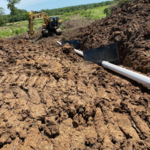
Cole excavating & dirt work - Home Facebook
New to Angi
Water Feature - Install a Pond

Serving Stanberry, MO and surrounding areas

In business since 2020

Free estimates

Credit card accepted

We take great pride in our experience, expertise, quality, and customer service that we provide to meet the consumer's needs. It is our mission to provide excellent workmanship and complete customer satisfaction, from the start to the completion of a project. In order to understand the needs and expectations of our customers, we take great care to work and communicate with every customer in a professional manner. Our reputation is based on service, safety, and quality, regardless of how large or small the job.

Response time1 hour
Aquarium Services questions, answered by experts

You should pump your septic tank once every two to four years for a family of four, depending on your septic tank size. You should pump a 1,000-gallon septic tank every two years, while a 1,500-gallon tank should be pumped every four years. Water usage also affects how often you should pump your septic tank. If you notice slow drains, foul smells, or gurgling sounds from your drains, you should pump your septic tank as soon as possible.

Using less toilet paper is the easiest way to prevent future clogs. Also, avoid flushing sanitary products, thick paper towels, or hair down the toilet. If you’ve been using a brick in the tank to reduce the water used to flush the toilet, take it out immediately. Bricks will eventually fall apart and clog your toilet drain. Keeping your toilet lid closed also helps avoid future clogs.

The easiest thing you can do to prolong the life of your septic system is to adopt septic-safe practices. This includes not flushing non-biodegradable items, chemicals, or excessive grease down drains and scheduling regular septic tank pumping to prevent buildup. It’s also important to fix plumbing leaks promptly and to practice water conservation to avoid overloading the system. To maintain your drain field, avoid heavy vehicle traffic and plant shallow-rooted vegetation in the area. Most importantly, invest in routine inspections and maintenance to detect and address issues early.

Some flushable wipes companies say they are designed to disintegrate within a few hours to a few days after being flushed. These wipes allegedly use materials that are more water-soluble than traditional wipes. However, many experts have raised concerns that even so-called "flushable" wipes do not break down as easily as claimed and can contribute to clogs and blockages in sewer systems.

To prevent plumbing and sewer problems, avoid flushing wipes, even those labeled as flushable. Instead, dispose of them in the trash. This can help prevent costly plumbing issues and reduce the strain on wastewater treatment systems.

A septic tank lid is often 1 foot underground, but it could be just 4 inches from the surface or 4 feet deep. For septic tank lids that are closer to the surface, you’ll have an easier time locating them just by looking for signs in the yard or using a metal probe. But for septic tanks that are buried deeper underground, you’ll need to hire a pro with specialized equipment to track down the lid without risk of damaging utility lines.

The Stanberry, MO homeowners’ guide to aquarium services

From average costs to expert advice, get all the answers you need to get your job done.