






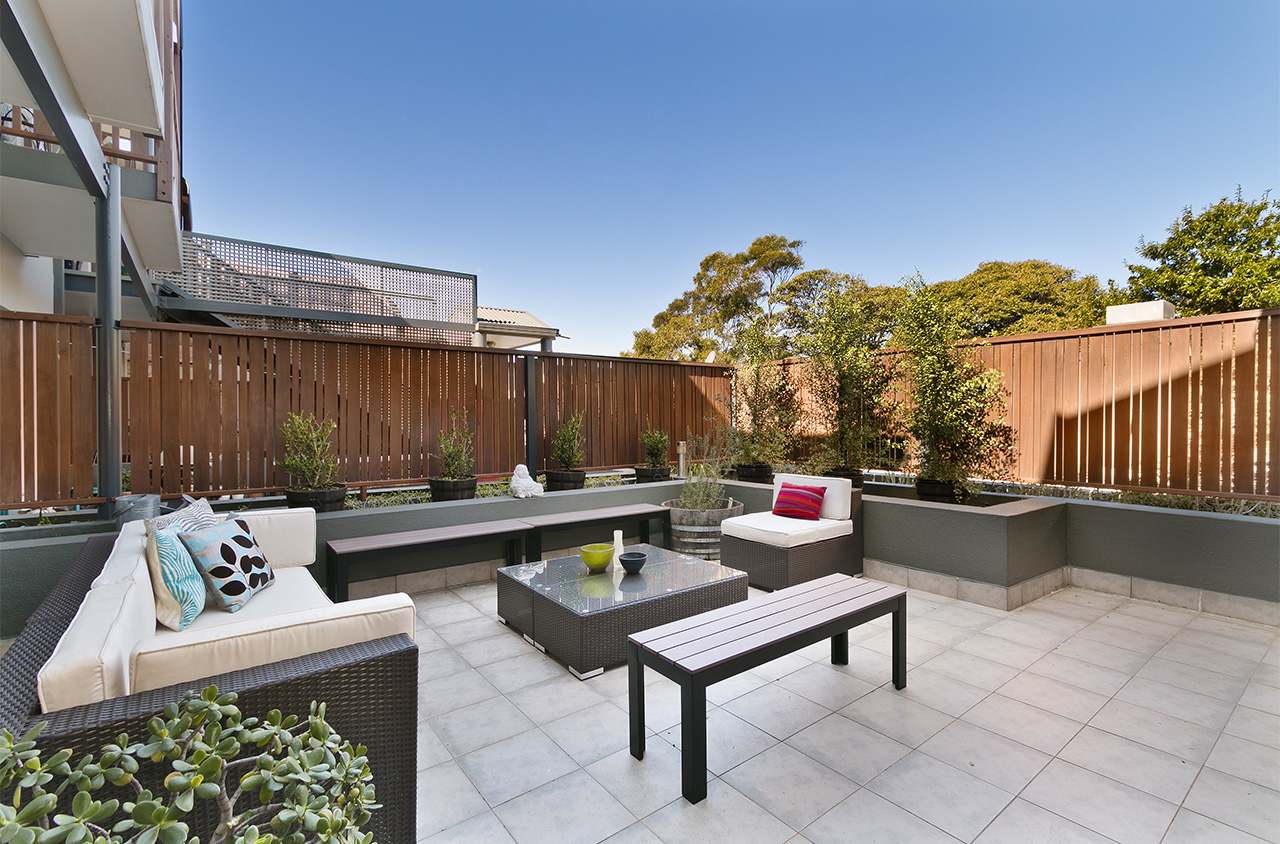
The cost to build a wood fence in St. Louis, MO depends on the size, material, add-ons, and more. Read this guide to learn how each cost factor impacts the price of a wood fence.

 4.4
4.4  248
248 *The Angi rating for Fence Painting companies in Riverview, MO is a rating based on verified reviews from our community of homeowners who have used these pros to meet their Fence Painting needs.
*The HomeAdvisor rating for Fence Painting companies in Riverview, MO is a rating based on verified reviews from our community of homeowners who have used these pros to meet their Fence Painting needs.
Last update on October 20, 2026
From average costs to expert advice, get all the answers you need to get your job done.
The cost to build a wood fence in St. Louis, MO depends on the size, material, add-ons, and more. Read this guide to learn how each cost factor impacts the price of a wood fence.

Aluminum fence costs in St. Louis, MO depend on your fence’s height, thickness, design, and length. Explore all the cost factors in this guide.
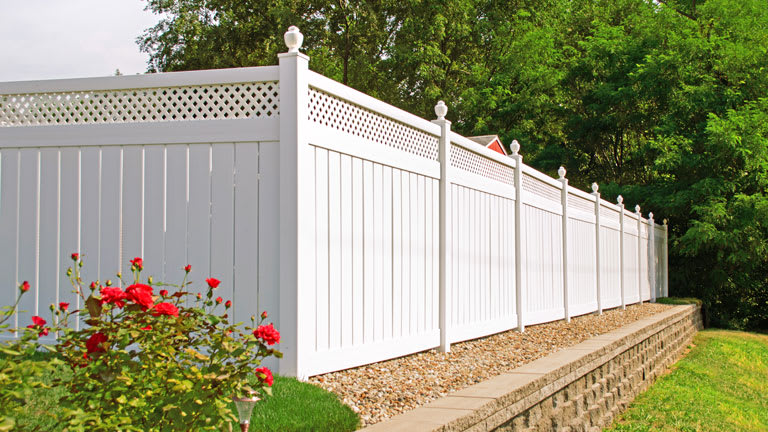
See how much vinyl fence installation costs in St. Louis, MO, and learn about cost factors including layout, labor, permits, and weather-related prep.
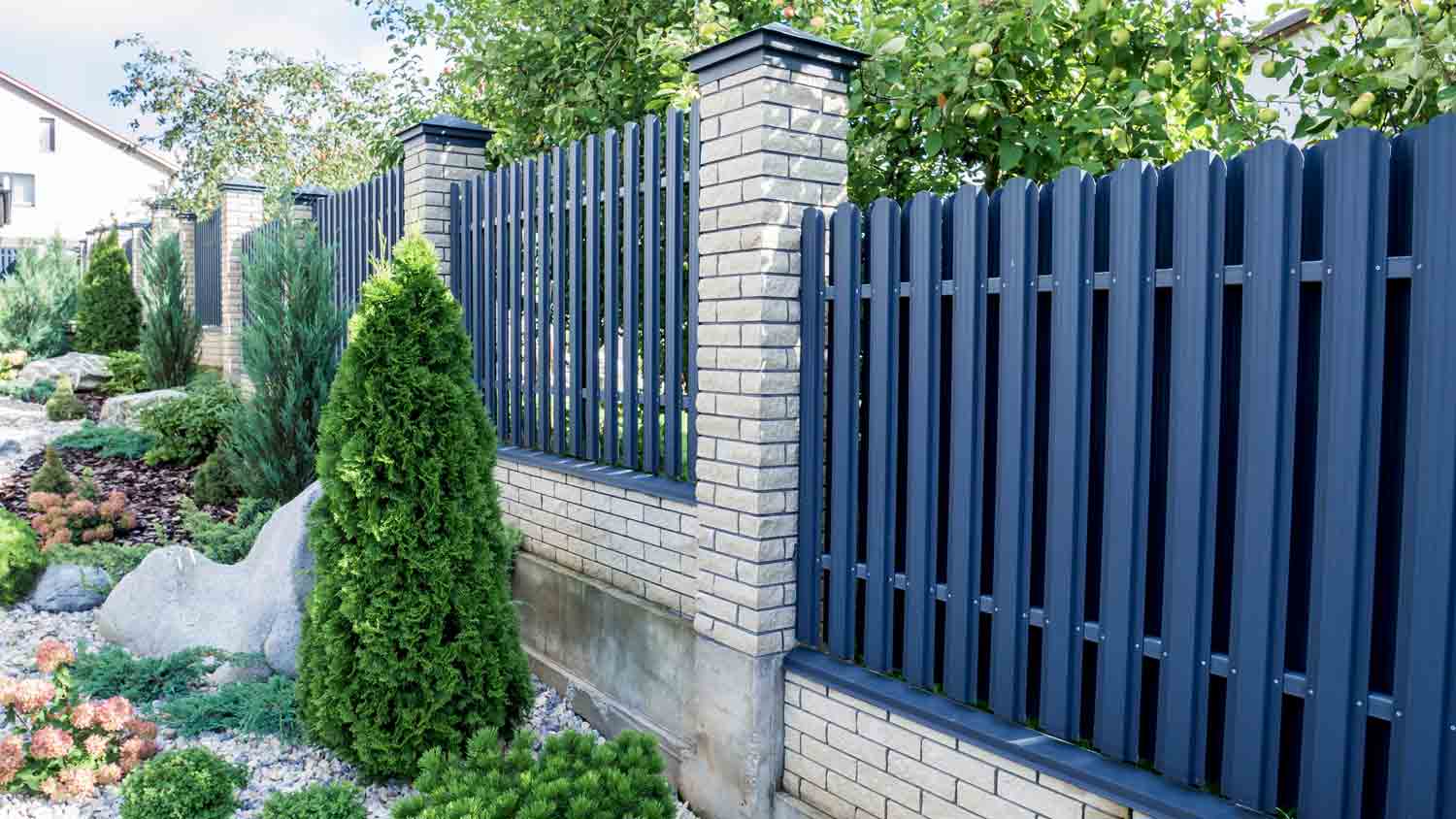
Wondering who to hire to paint fences or who to call for fence painting? Explore pro options, the process, and what to expect before you book.
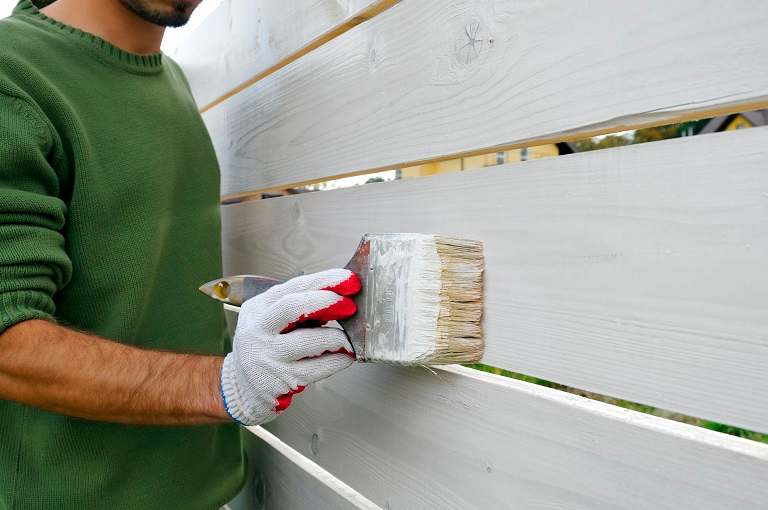
Thinking about fence painting and staining? Learn about material options, costs to expect, and how to hire the right local exterior painter for the job.
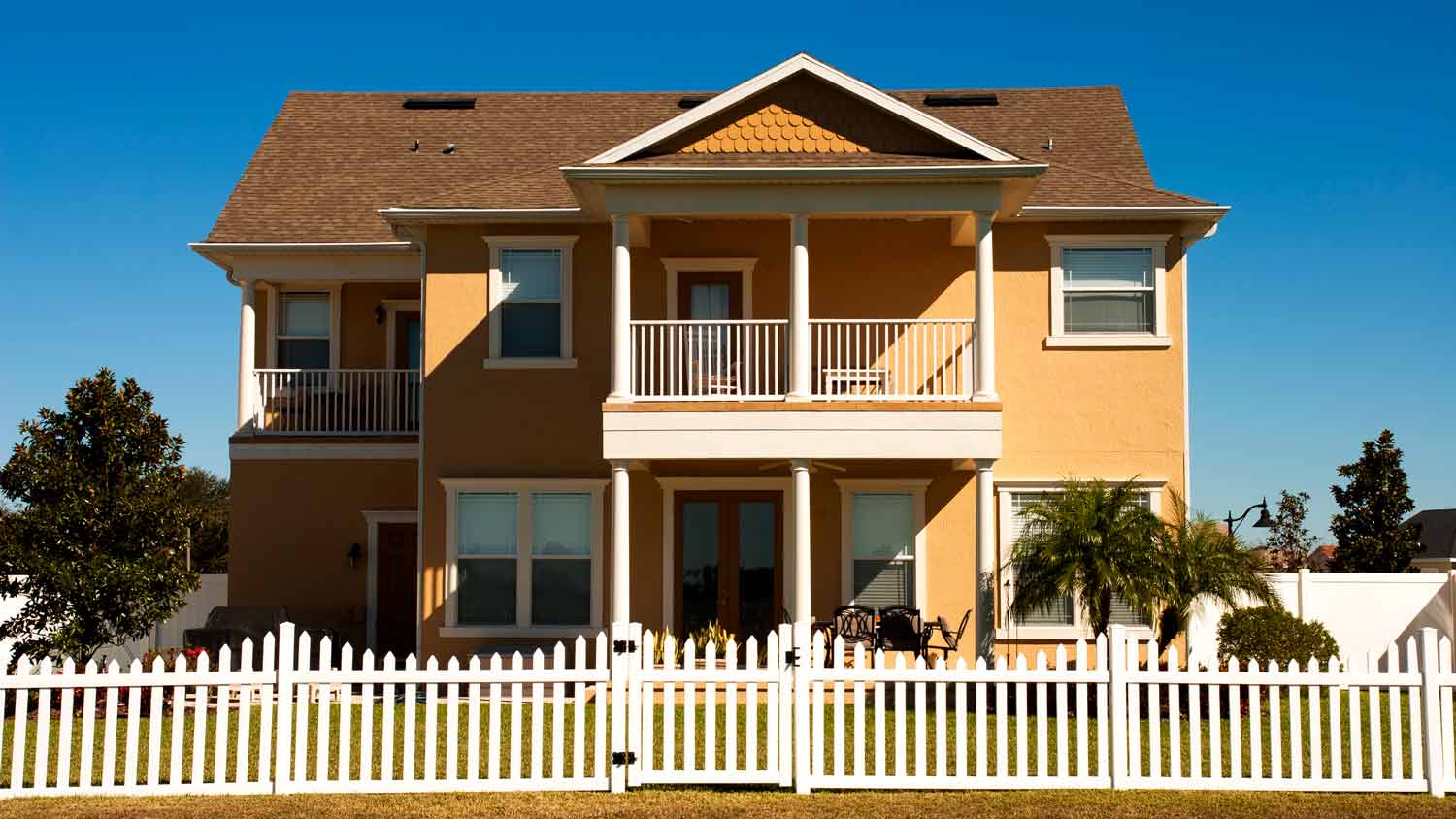
Deciding on the best fence paint color is difficult. This guide will help you choose a shade that creates the right vibe alongside your house color and landscaping.