







Top-rated radon detection and reduction specialists.

Get matched with top radon detection and reduction specialists in Portageville, MO

Enter your zip and get matched with up to 5 pros

Need a pro for your radon detection and reduction project in Portageville, MO?

Select your specific project to find the pro for you.

Find Radon detection and reduction specialists in Portageville

Avatar for SWAT Environmental, Inc.
SWAT Environmental, Inc.
4.5(
52
)
Radon Gas - Abatement

Serving Portageville, MO and surrounding areas

In business since 1988

Free estimates

Credit card accepted

"I would definitely recommend this company to anyone!!! I hired them and the job was done nicely, Dan O'Brien was the technician who took care of the project and he did an excellent job, he answered all of my questions and explained to me everything related to Radon gas. When he finished setting everything up and the job was completed all the working area looked super clean and the installation looks just like it is part of the house and that has been there forever. This is what I call a Perfect and Complete execution of a Radon gas mitigation project."
Recommended by97%of homeowners

Radon Detection and Reduction questions, answered by experts

While DIY testing is possible, abatement generally requires professional installation to ensure efficacy and meet safety standards.

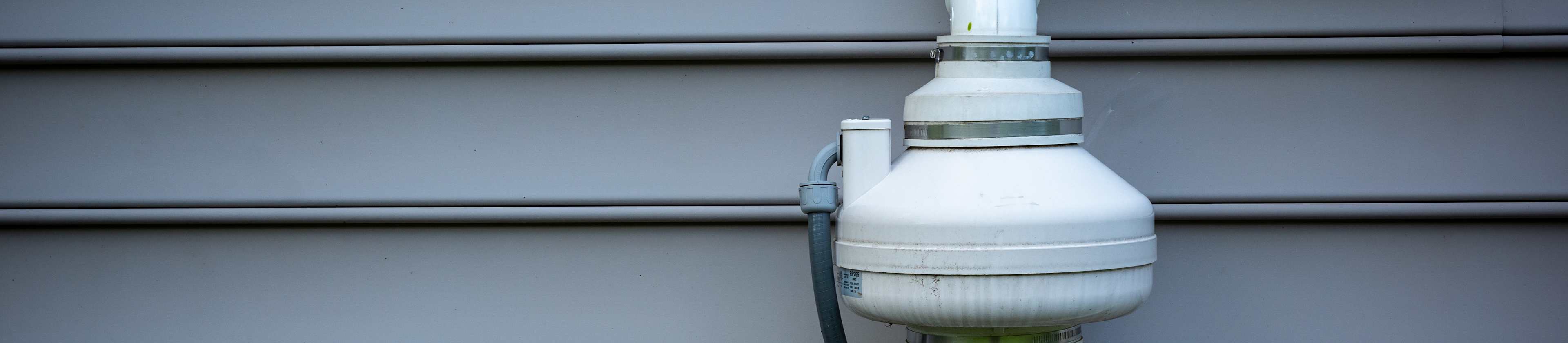
Your radon mitigation system may be loud because it’s time to replace it. Any sounds are usually from the inline fan that helps create the vacuum and resulting airflow. If you hear a new, loud mechanical or humming noise from your radon fan, it might be time to replace it. Most fans used in radon mitigation systems last up to 10 years, but may need to be replaced sooner.

Radon enters your home when warm air begins to rise and exits through the roof, creating a vacuum that pulls cooler air from under the foundation. Part of that air is radon, which is an invisible, odorless gas that develops naturally when radioactive particles are deep within the ground. Those particles usually come from decaying matter in soil and rocks.

You'll need to test your home for radon after installing the mitigation system, then again every two years. If radon remains elevated, contact a licensed radon professional, either the contractor who installed the system or a different one, and have them evaluate the system. They may need to make some changes to improve its effectiveness and performance.

Ideally, no one will live in a house with elevated radon levels, as prolonged exposure increases the risk of serious health issues like lung cancer. However, homes with radon can be made safe through mitigation systems, such as active soil depressurization. Testing for radon regularly and addressing high levels helps ensure a safe living environment.

The Portageville, MO homeowners’ guide to radon detection and reduction services

From average costs to expert advice, get all the answers you need to get your job done.



