




Top-rated lead testing and removal specialists.

Get matched with top lead testing and removal specialists in Perryville, MO

Enter your zip and get matched with up to 5 pros

Need a pro for your lead testing and removal project in Perryville, MO?

Select your specific project to find the pro for you.

Find Lead testing and removal specialists in Perryville

Avatar for Loving Mold Removal
Loving Mold Removal
4.6(
26
)
Toxic Lead - AbatementToxic Lead - Testing

Serving Perryville, MO and surrounding areas

In business since 2019

Free estimates

Emergency services offered

"K&E was very responsive to my request through Angi and came the same day (a Saturday) to review the work. He gave a reasonable estimate and completed the work the following Monday. I really appreciated the quick turnaround. However, he did not provide the contractcertifications and company info prior to coming to do the work as he said. He was not responsive to my emails and text messages about the contract and work start due to bad weather. Clean up was pretty good, but I did find chipped paint debris when I expected to all of that vacuumed away. That's why I gave a 4 point rating rather than a 5. I will not need to hire again because the lead and asbestos have been abated and there is no need for further work."
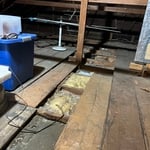
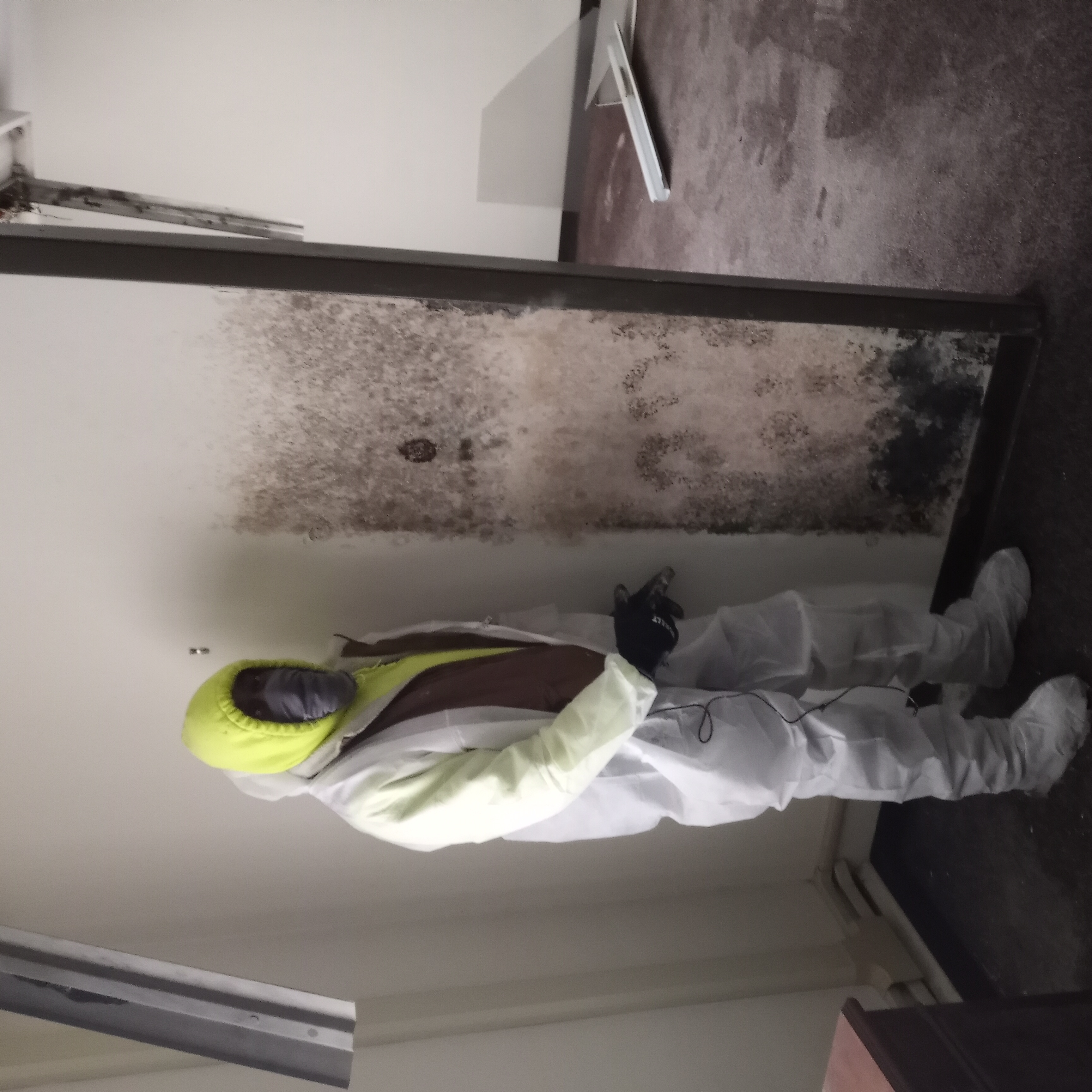
Mold Testing and Remediation Project
Additional Photos
Additional Photos
Additional Photos
Additional Photos

+43

Recommended by87%of homeowners
Lead Testing and Removal questions, answered by experts

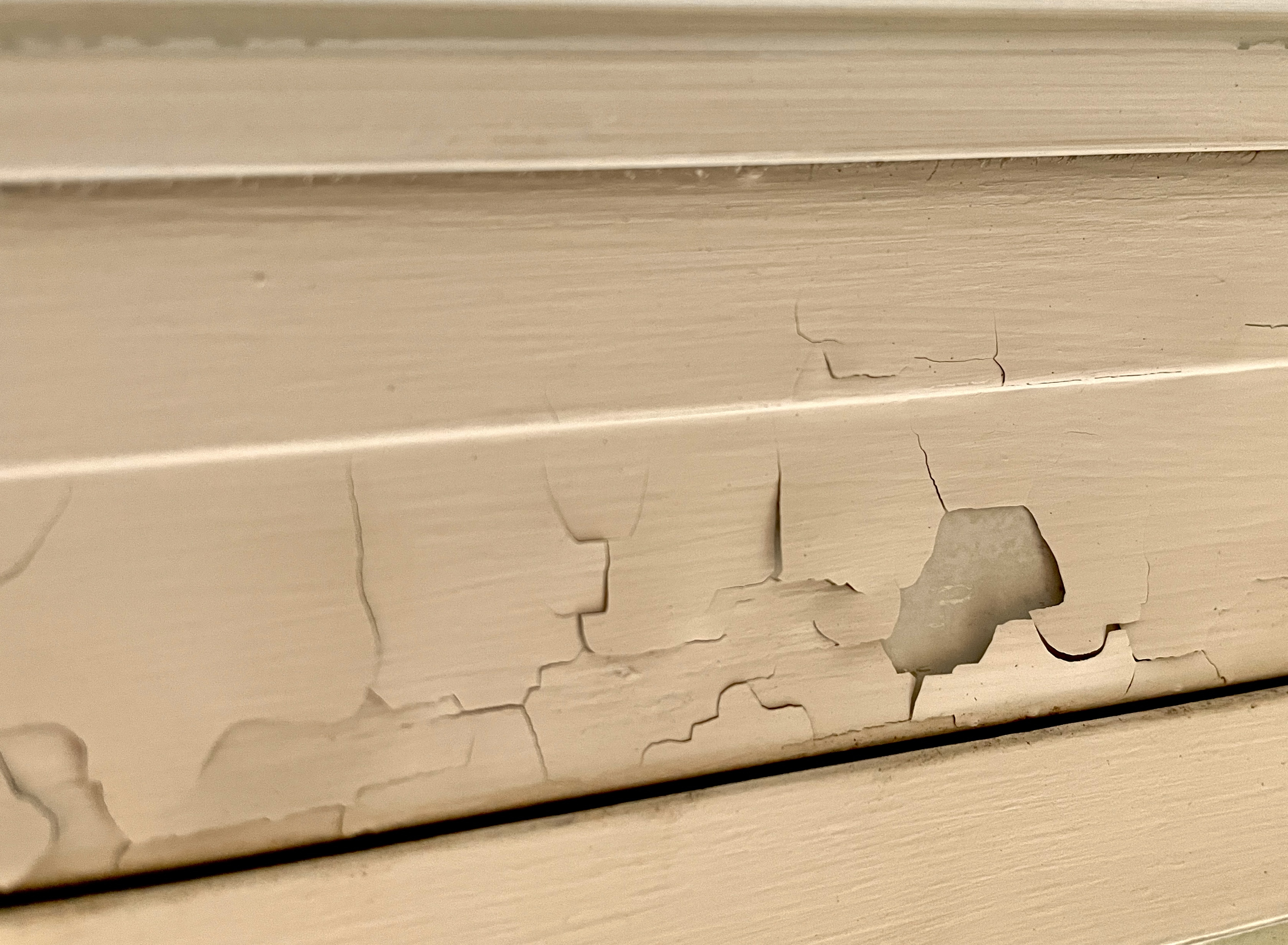
Lead toxicity comes from inhaling lead or consuming it. Before the 1980s, when the government banned lead from consumer use, it could be found in paint, plumbing, pipes, ceramics, and even gasoline. Lead paint is toxic for the same reason lead itself is toxic, which is why lead poisoning from paint presents the same as lead poisoning from water or food sources, with a slight increase in respiratory symptoms vs. digestive symptoms. Lead paint is most dangerous when it’s old and peeling, cracking, or otherwise disturbed. This increases the concentration in the air and, therefore, in breathable air. 

According to the EPA, there is no safe level of lead in the blood, and so the maximum contaminant level goal (MCLG) for lead in water is zero. Even at low levels, lead is harmful to human health. It can also remain in the body and build up over time with repeated exposure.

A lead paint inspection is a thorough examination and assessment of a building or structure to determine the presence of lead-based paint. Lead-based paint was commonly used in buildings before 1978 when its health hazards were fully understood. Lead is toxic and can pose health risks, particularly to young children and pregnant women. Getting a lead paint inspection means finding a lead paint inspector to examine the surfaces of the building—such as walls, ceilings, doors, windows, and other painted areas—and identify the presence of lead-based paint.

Some of the signs that could mean your water is contaminated, such as cloudiness or bubbliness, could also be non-problems that don’t affect your water’s potability. However, if your water smells or tastes strange, it’s a good idea to stop drinking it and test it immediately. If your well water is contaminated, the best way to discover that is to test it.

While not all homes built before 1978 contain lead paint, enough do, so you’ll still want to test to be on the safe side. The federal government banned lead-based paint for homes in 1978, but your state may have banned lead before that time. Around 24% of homes built between 1960 and 1977 contained lead-based paint, while 87% of homes built before 1940 contained lead-based paint.

The Perryville, MO homeowners’ guide to lead testing and removal services

From average costs to expert advice, get all the answers you need to get your job done.