
Top-rated lead testing and removal specialists.

Get matched with top lead testing and removal specialists in Park Hills, MO

Enter your zip and get matched with up to 5 pros

Need a pro for your lead testing and removal project in Park Hills, MO?

Select your specific project to find the pro for you.

Find Lead testing and removal specialists in Park Hills

Sherlock's Environmental Services, LLC
5.0(
4
)
Toxic Lead - AbatementToxic Lead - Testing

Serving Park Hills, MO and surrounding areas

In business since 1995

Free estimates

Credit card accepted

"We contacted Sherlock's because my daughter tested high for lead.  We rushed to find a company to help us identify where the contamination was coming from.  I found Sherlock through google and had the best first impression of them than from the other companies I called.

Sally explained the process of lead testing our home clearly.  They performed the lead test less than 2 days from when I called them.  Sally and Chuck came to our home together and tested inside and out for 2 hours.  In the end, we found no source of lead contamination at our home (meaning it must be coming from an outside source).  They provided a thorough report and the price was reasonable.  They are also easy to get a hold of.

Since having them perform the testing, I have heard other positive reviews of this company.  And I will recommend them to anyone who is unfortunate enough to have a poor blood lead score.

I will also never buy a new home without them inspecting it first."
Recommended by100%of homeowners
Avatar for Stanley's Home Improvement
Stanley's Home Improvement
3.3(
12
)
Toxic Lead - AbatementToxic Lead - Testing

Serving Park Hills, MO and surrounding areas

Free estimates

Emergency services offered

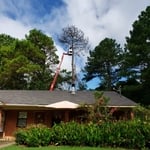
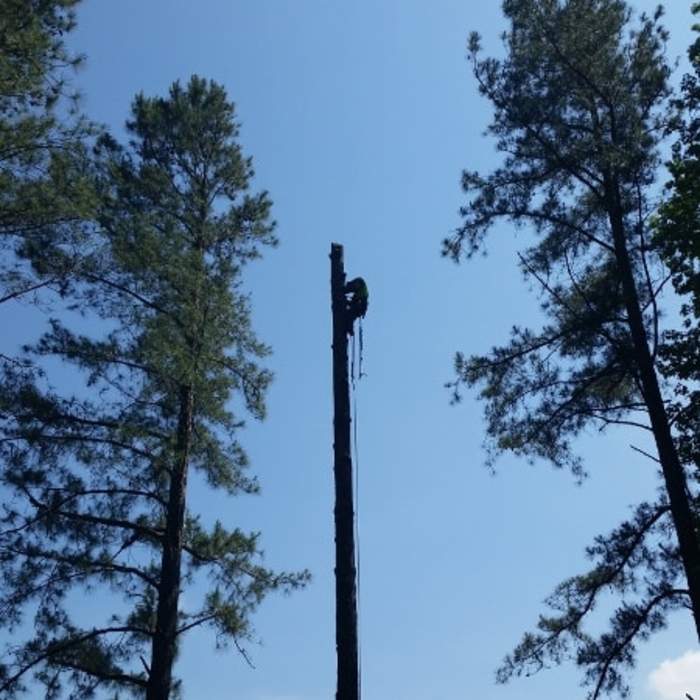
"It was apparent they were very skilled. They quickly dropped the huge limbs without a scratch on the house, fence or sheds surrounding the tree. They arrived on time and cleaned the area to my satisfaction before leaving. And they were competetively priced! I can't say enough good things about this company."
Additional Photos
Additional Photos
Additional Photos
Additional Photos
Additional Photos

+8

Recommended by77%of homeowners
Lead Testing and Removal questions, answered by experts

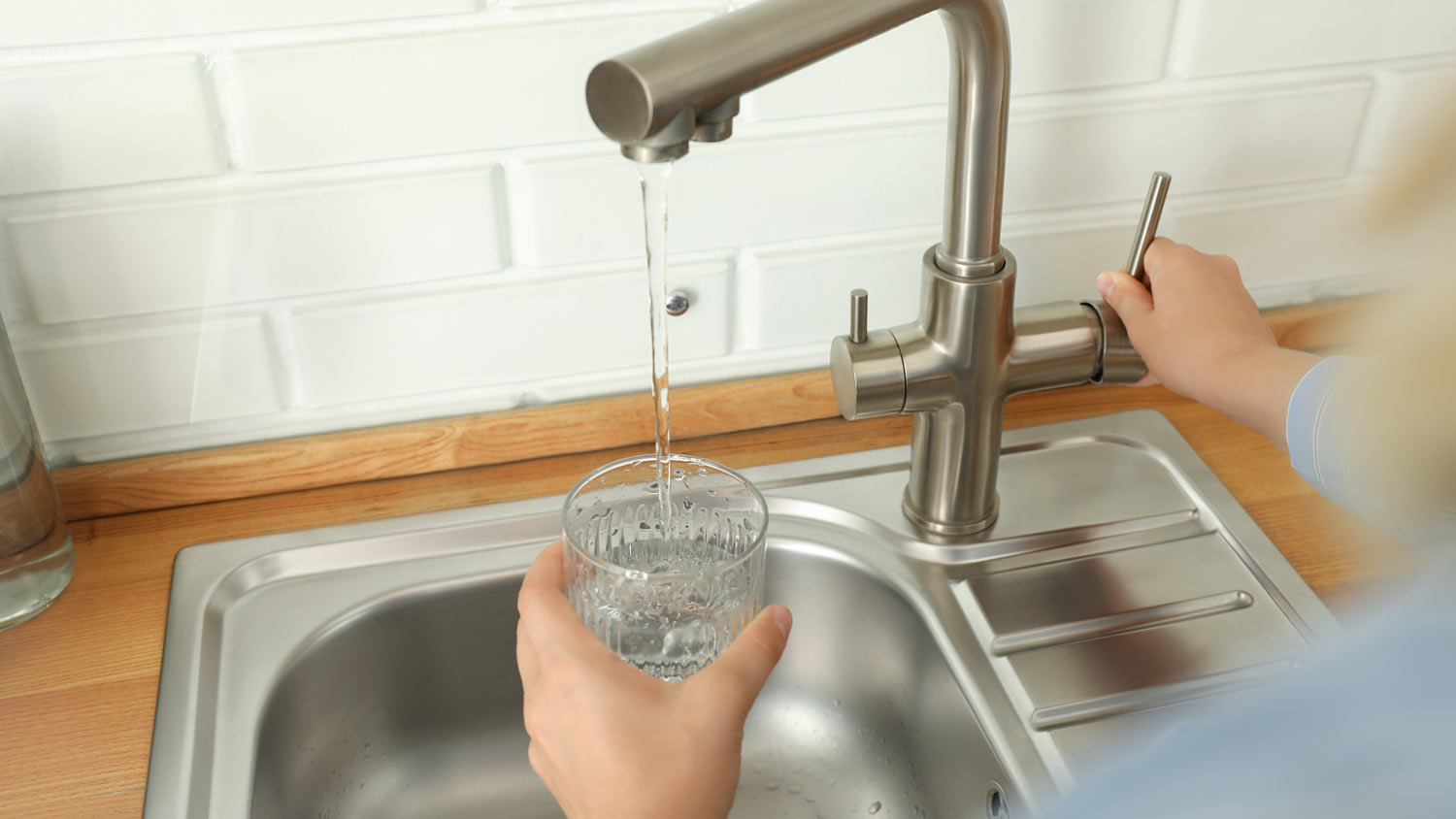
Several different measurements may be used to determine the amount of lead in water. The most common unit of measurement is micrograms per liter (µg/L), which is the same as parts per billion. Another measurement is milligrams per liter (mg/L), which is the same as parts per million.

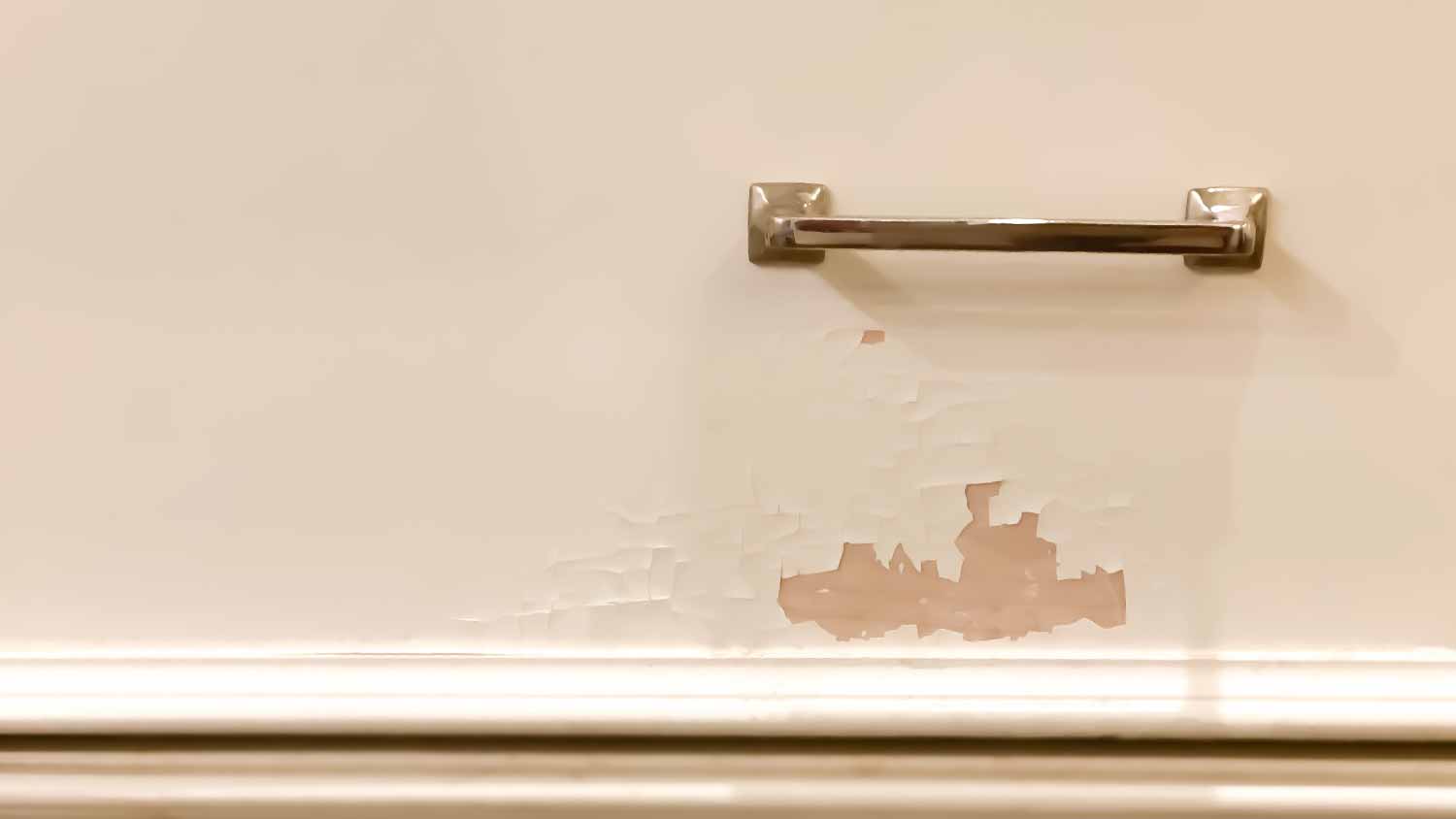
While not all homes built before 1978 contain lead paint, enough do, so you’ll still want to test to be on the safe side. The federal government banned lead-based paint for homes in 1978, but your state may have banned lead before that time. Around 24% of homes built between 1960 and 1977 contained lead-based paint, while 87% of homes built before 1940 contained lead-based paint.

No, a standard home inspection includes the basics and does not offer lead paint testing. Professional lead paint inspectors need specific licenses to perform these inspections, which not all home inspectors have. If you suspect lead paint in the home you are about to purchase, you will need to pay separately to have that done. If the findings come back positive, you may be able to negotiate with the buyer to cover the cost of the removal.

According to the Environmental Protection Agency (EPA), hazardous waste is generally classified into four main categories:

1. Characteristic Wastes: These exhibit at least one of four hazardous traits: ignitability (flammable, like gasoline), corrosivity (can rust or decompose materials, like car batteries), reactivity (unstable and can explode, like aerosol cans), or toxicity (harmful when ingested, like lead-based paint).

2. Listed Wastes: These are specific wastes from manufacturing and industrial processes that the EPA has officially designated as hazardous. They include byproducts from processes that use solvents, pesticides, and other chemicals.

3. Universal Wastes: These are commonly generated hazardous items that are subject to streamlined regulations. Examples include batteries, pesticides, mercury-containing equipment (e.g., bulbs), and some lamps.

4. Mixed Wastes: This category includes waste that contains both hazardous and radioactive components, making it subject to regulation by both the EPA and the Nuclear Regulatory Commission.

Hazardous waste is waste that poses a threat to human or environmental health. This generally refers to waste that is flammable, corrosive, toxic, or reactive. To confirm if the waste you need to remove is considered hazardous waste, contact your local hazardous waste facility.

The Park Hills, MO homeowners’ guide to lead testing and removal services

From average costs to expert advice, get all the answers you need to get your job done.