








Top-rated drywall insulation pros.

Get matched with top drywall insulation pros in Moline Acres, MO

Enter your zip and get matched with up to 5 pros

Need a pro for your drywall insulation project in Moline Acres, MO?

Select your specific project to find the pro for you.

TRUSTED BY MOLINE ACRES, MO HOMEOWNERS

  • Average homeowner rating star icon4.5
    Average homeowner rating
  • Verified reviews icon136
    Verified drywall insulation services reviews

Find Drywall insulation pros in Moline Acres

Avatar for Carico Drywall & Insulation
Carico Drywall & Insulation
4.6(
24
)
Blown-In Insulation - Install or Upgrade

Serving Moline Acres, MO and surrounding areas

Approved

In business since 2023

Free estimates

Emergency services offered

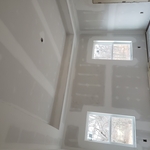
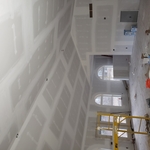
"The company Carico drywall installed new drywall under my carport and painted all around also painted the poles made it look beautiful. Also installed insulation. The workers Tim and his helpers worked so hard in the hottest days of the year and the owner Kyle worked with me and and they had this project done earlier than expected. I would definitely use them again."
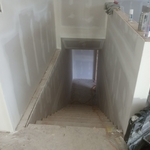
Staircase
Master Bedroom
Living Room
Living Room
Church

+21

Response time2 days
Response rate85%
22 neighbors recently requested a quote
Avatar for Aladdin Insulation of Missouri
Aladdin Insulation of Missouri
4.8(
44
)
Blown-In Insulation - Install or Upgrade

Serving Moline Acres, MO and surrounding areas

Approved (Corporate)

In business since 1928

Free estimates

Warranties offered

"Well, the was too much on the second floor but Aladdin solved that with blown insulation. I look forward to the cool savings in the summer and warm savings in the winter. The house has not added insulation since it’s manufacture in 1989. We have been here for 4 years. Should have done it four years ago. Thank you Aladdin!"
INSULATION
FOAM
BATTS
OUR BUSINESS
OUR BUSINESS!

+1

Response time1 day
Response rate89%
7 neighbors recently requested a quote
Avatar for The Attic Yettis
The Attic Yettis
5.0(
7
)
Blown-In Insulation - Install or Upgrade

Serving Moline Acres, MO and surrounding areas

Approved

Free estimates

Credit card accepted

Offers commercial services

"I hired the attic yetis to replace insulation in my attic and I was more than happy with the outcome. The service was quick and efficient and just a few days in I am already noticing a major difference. If you need any attic insulation or pest prevention I highly recommend the attic yetis"
Full attic remediation

+37

17 neighbors recently requested a quote
Avatar for Good Attic, LLC
Good Attic, LLC
5.0(
5
)
Blown-In Insulation - Install or Upgrade

Serving Moline Acres, MO and surrounding areas

Approved

In business since 2021

Free estimates

Credit card accepted

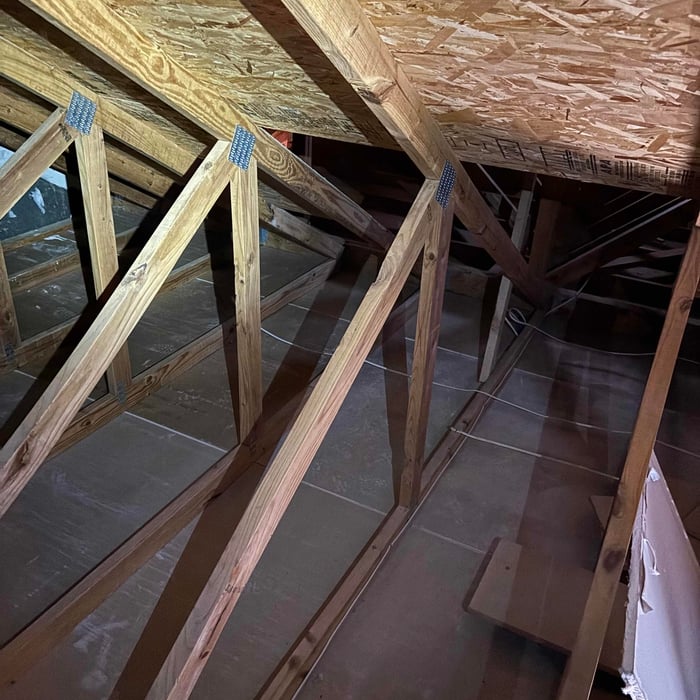
Good Attic is a trusted attic insulation and home comfort company serving homeowners throughout St. Charles and the greater St. Louis area. We specialize in blown-in insulation upgrades, air sealing, attic cleanouts, and ventilation improvements that solve hot/cold rooms, drafts, high energy bills, and poor airflow. Our team provides honest pricing, same-week appointments, and detailed before-and-after photos so you always know exactly what you’re getting. If you want a cleaner, more comfortable, and more energy-efficient home, Good Attic delivers results you can feel immediately.

Response time2 days
Response rate100%
99 neighbors recently requested a quote
Avatar for Healthy Home Pest Control & Services
Healthy Home Pest Control & Services
4.4(
387
)
Blown-In Insulation - Install or Upgrade

Serving Moline Acres, MO and surrounding areas

Approved

In business since 2017

Free estimates

Emergency services offered

"Tim and Jeff were very fastidious in setting up, cleaning, and making sure the house was in good order when they left . We also had an Aeroseal treatment which followed with James and Connor. It did take some time to set up after the vents were cleaned and blown out, but the application of this polymer to close gaps in lthe galvinized steel ducts was remarkable."
New Trucks
Duct Cleaning Trailers
New Sign
Response time9 hrs
Response rate95%
502 neighbors recently requested a quote

...
Showing 1-10 of 52
Drywall Insulation questions, answered by experts

The two most common drywall thicknesses for ceilings are 1/2-inch and 5/8-inch. For most standard residential applications, 1/2-inch drywall is sufficient and widely used. It provides adequate support and is lighter and easier to handle during installation compared to thicker sheets. However, 5/8-inch drywall is often used for specific cases where additional benefits are needed. It is heavier but provides superior sound dampening and fire resistance. You should consider using 5/8-inch drywall for ceilings in commercial buildings, between a garage and a living space, or above a finished basement to meet building codes or for enhanced soundproofing.
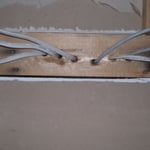
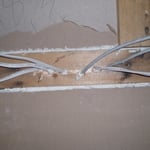
The easiest way to cut holes in drywall for electrical boxes is to use a spiral saw with a drywall router bit. Hang the drywall without cutting out a hole for the box, but make sure you measure and mark where the box is located on the wall. Once you screw in the drywall sheet, drill a small hole into the box void, insert the spiral saw bit, and move it around the edge of the box using the inside wall as a guide. You can also use an oscillating multi-tool with an electrical box cutout for fast, professional results.

Plaster itself has a higher R-value than drywall. However, there are other considerations surrounding plaster and insulation. As a general rule, it's easier to obtain consistency in insulating value and quality when working with drywall rather than plaster. Plaster walls often don't contain any insulation behind the wall covering by design, and careful evaluation is necessary when choosing to add it.

While it’s most common to sand plaster dry, it is possible to wet-sand plaster, too. Doing so can reduce the amount of plaster dust released into the air and make it easier to work in smaller, more delicate areas (such as around wall trim). However, some people find that wet sanding leads to more imperfections, which is why larger walls are more often dry sanded to ensure an even finish.

Although they have similar applications, spackle and joint compound are not the same. Their primary differences lie in their composition, consistency, and ideal use cases.

Spackle is composed of gypsum and binding agents, making it thicker than joint compound. It dries quickly and is easy to sand, which makes it ideal for small wall repair projects like filling nail holes or patching minor damage.

Joint compound, also known as drywall mud, consists of limestone and gypsum. It is primarily used for large-scale projects, such as taping and finishing the seams on newly installed drywall. It tends to shrink more than spackle and can be more difficult to spread.

While both products can be used to fill small depressions and cracks, spackle cannot replace joint compound for taping and mudding new drywall. Conversely, you can often use joint compound for small patching jobs typically done with spackle.

The Moline Acres, MO homeowners’ guide to drywall insulation services

From average costs to expert advice, get all the answers you need to get your job done.