




Top-rated asphalt driveway pros.

Get matched with top asphalt driveway pros in Lowry City, MO

Enter your zip and get matched with up to 5 pros

Need a pro for your asphalt driveway service project in Lowry City, MO?

Select your specific project to find the pro for you.

Find Asphalt driveway pros in Lowry City

Avatar for W & C Paving and Sealcoating
W & C Paving and Sealcoating
5.0(
9
)
Asphalt Paving - InstallAsphalt Paving - Repair or PatchAsphalt Sealing

Serving Lowry City, MO and surrounding areas

Approved

Super Service Award Winner

In business since 2003

Credit card accepted

Offers commercial services

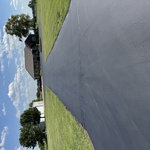
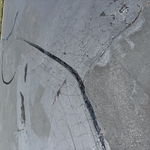
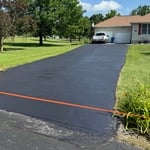
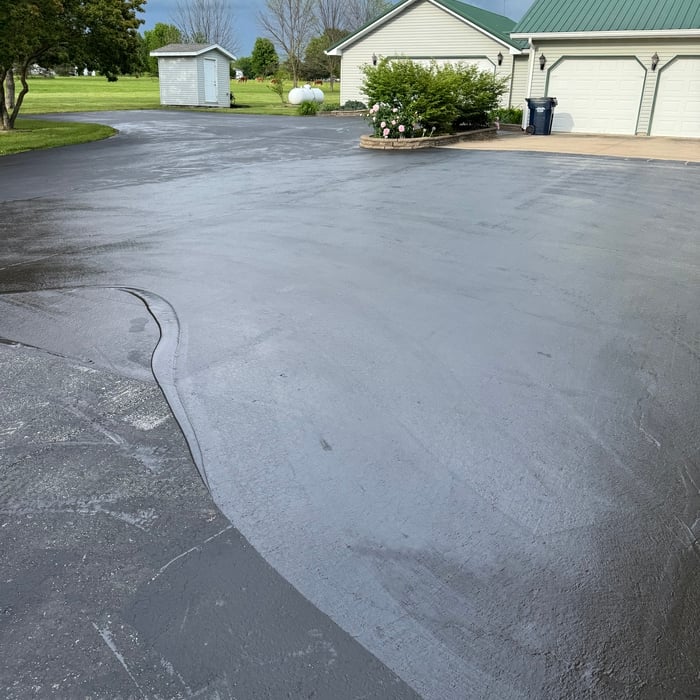
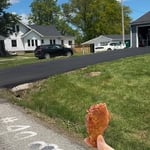
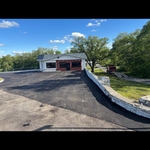
"They did a good job. They answered all my questions and had good communication. My driveway was an old two-lane road about 1700 feet long. They patched what they could I did a good job sealing it up. I will use them again when the need arises!!"
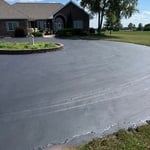
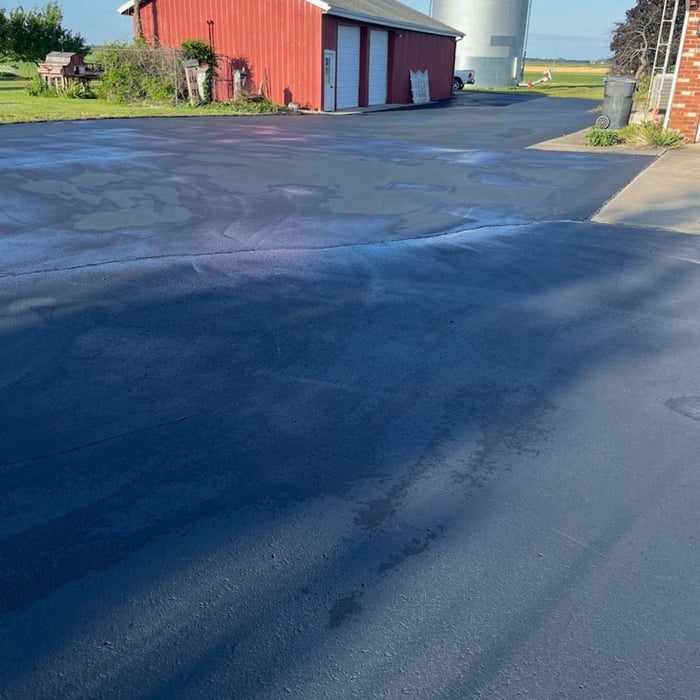
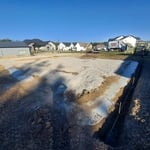
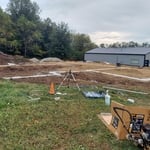
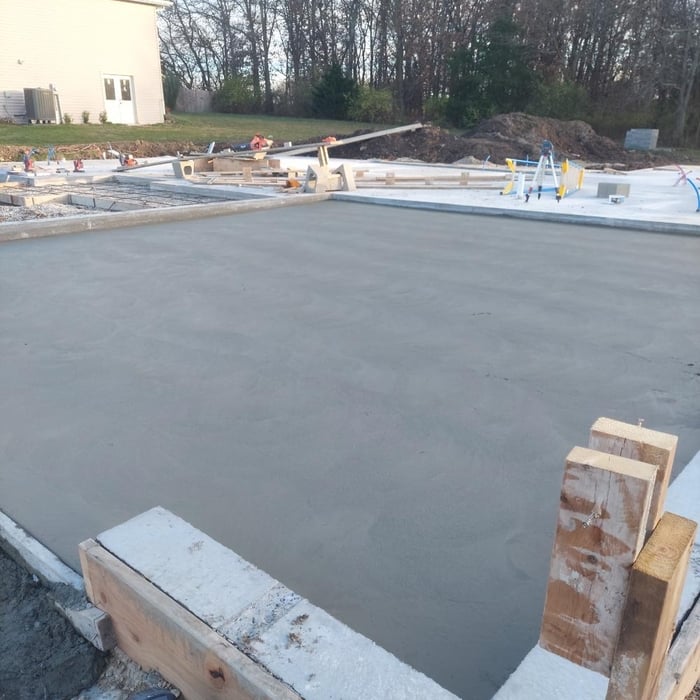
Driveway 1
Driveway
Driveway 3
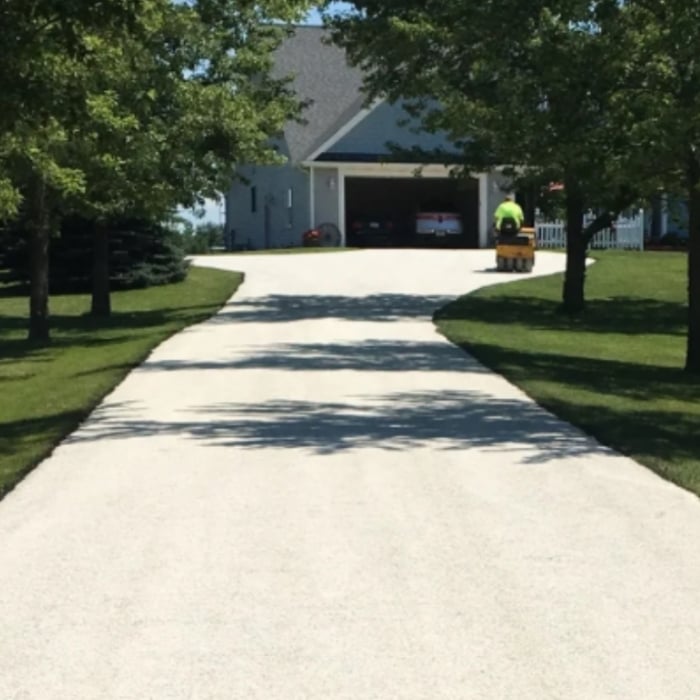
Driveway 4
Driveway 5

+1

Response time11 hrs
Response rate92%
2 neighbors recently requested a quote
Showing 1-10 of 50
Asphalt Driveways questions, answered by experts

To maintain their strength, asphalt driveways and parking lots need to be sealcoated once every two to five years. You may also need to reapply paint striping every few years as it fades to ensure drivers can safely navigate the parking lot.

Chip seal layers gravel and a liquid bitumen one at a time on-site, while asphalt directly pours a pre-combined mixture. Asphalt must be sealed, but it will last up to four times as long as chip seal driveways. Aesthetically, chip seal has a natural, rustic look compared to the traditional asphalt slab.

While blacktop is a type of asphalt, the terms should not be used interchangeably, as not all asphalt qualifies as blacktop. The primary differences are in their composition, production process, and ideal applications. Blacktop contains more stone than other types of asphalt and is heated to a higher temperature during production—300°F or more—while hot-mix asphalt is heated to between 275°F and 300°F. The ratio of bitumen (a tar-like crude oil) is a key differentiator, though sources vary: some state blacktop has less bitumen, making it less durable, while others claim it has a higher ratio. Due to these differences, asphalt is generally more durable and better for high-traffic areas like highways and streets, while blacktop is more suitable for playgrounds and residential driveways. For a driveway project, it is best to consult a professional to determine the most appropriate material.

Wet cutting is usually the preferred method. It controls dust, which helps protect your lungs and makes for a cleaner working environment. Plus, the water cools the blade, preventing overheating and prolonging its life while providing smoother, more precise cuts. The downside is the mess—water and asphalt sludge can be messy to clean. Dry cutting, though convenient if water isn’t available, creates a lot of dust, which can be harmful. This also increases the risk of blade damage due to overheating. So, if you have the option, wet cutting is the better method for most asphalt jobs.

Like all driveway materials, asphalt can crack in the wrong conditions and with age. Many things can cause asphalt to crack, including shifting soil or settling under the foundation. Other common causes are driving oversized vehicles on the asphalt, tree roots, and using rock salt during the snowy season. Proper installation and sealing the driveway every 10 years can help prevent cracks.

The Lowry City, MO homeowners’ guide to asphalt driveway services

From average costs to expert advice, get all the answers you need to get your job done.