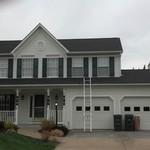
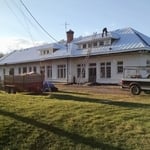
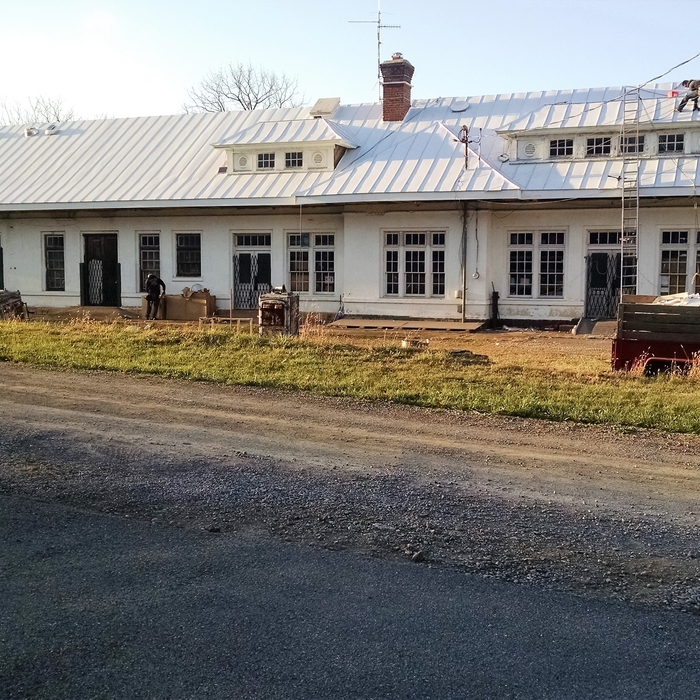
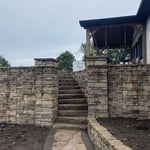
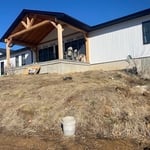
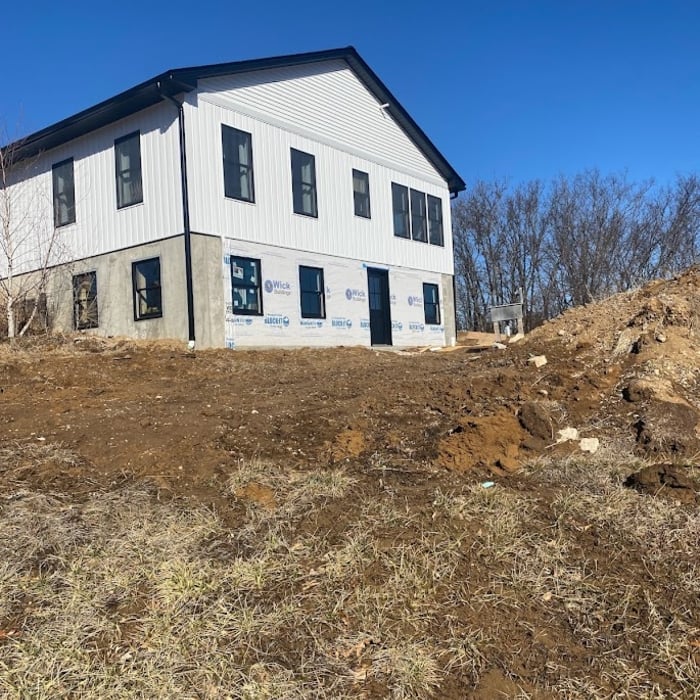
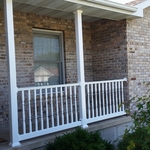
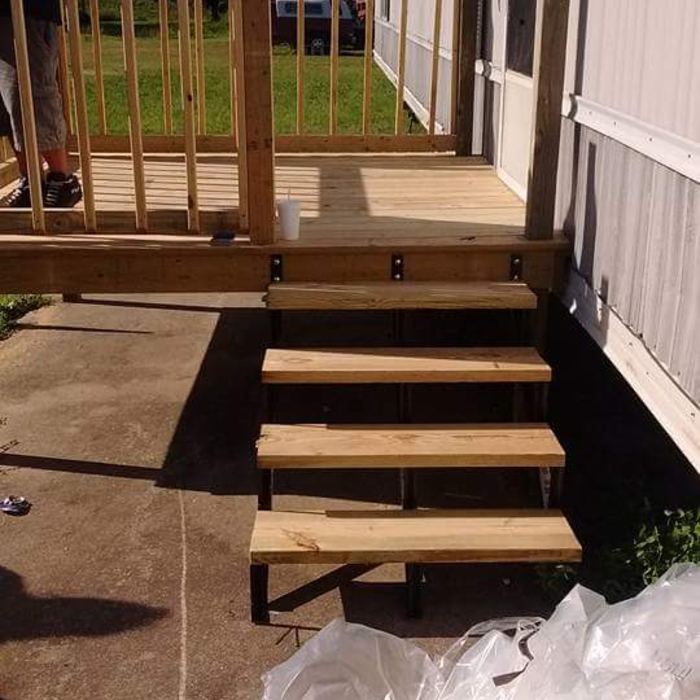
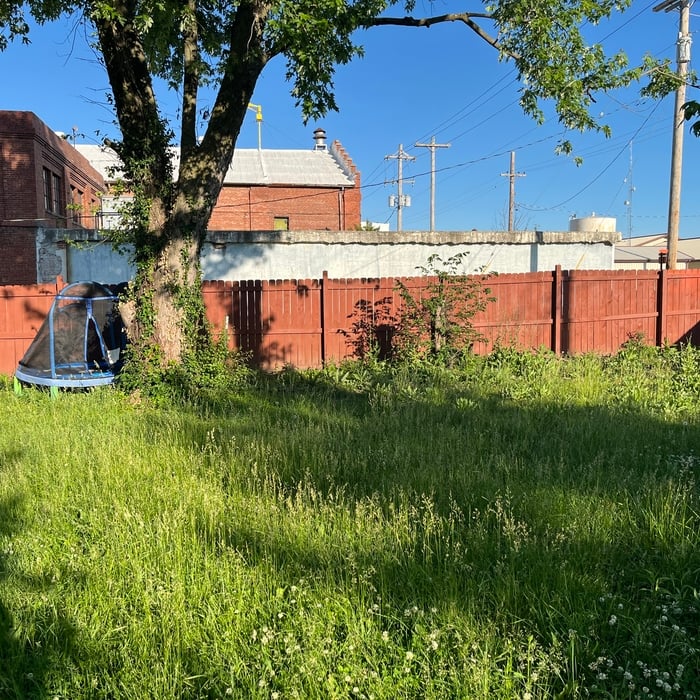
"Complete re-roof. Removed old shingles and installed new asphalt shingles. Very competitive pricing. Great communication. Completed the job in a timely and professional manner. Would recommend if you need roof work"
We pride our company on reliability, great communication, integrity, and quality work. We are experts in our trade and will do our best to keep you as educated as we can on your particular task or project. We look forward to earning your business!
Dave's Construction has been in business since 2004, and is owner operated! We specialize in all your home improvement multiple small project needs, and guarantee you a job well done! Whether it be a ceiling fan that needs to be installed, or a door that needs repaired, we are here for you! We strive to exceed the homeowner's expectations each and every time, and get the job done the way you want it. We work in a timely fashion and always pay attention to detail. Proudly serving Hannibal and the surrounding areas. Free estimates. Call today!
As experts in residential lawn care and ground maintenance, Double JK Group will exceed your expectations. With years of experience manicuring lawns we understand the value of quality, professionalism and responsiveness. We offer competitive pricing and look forward to serving you.
Masons Hauling and Contracting is committed to excellence in every aspect of our business. We uphold a standard of integrity bound by fairness, honesty, and personal responsibility. Our distinction is the quality of service we bring to our customers. Accurate knowledge of our trade combined with ability is what makes us true professionals. Above all, we are watchful of our customers' interests and make their concerns the basis of our business.
Here at Voss Lawn & Landscape, we sustain our business on quality and integrity. We are experts in our trade and our commitment to quality shows from beginning to end of your project. We look forward to earning your business.
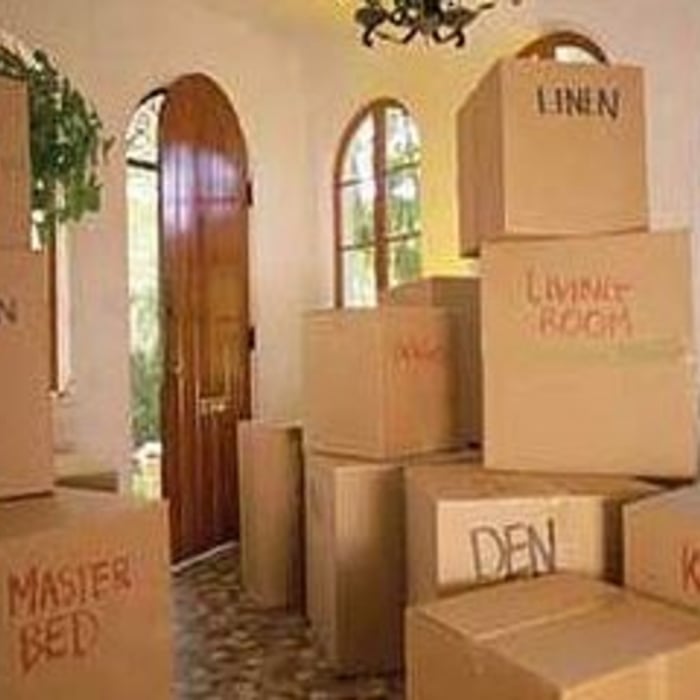
Moving Companies Lebanon Missouri Moving Professional moving company, area we are now offering 4 guys for the price of 3 when you mention this ad. We are a full service moving company and we are here to provide you with the moving services that are specific to your needs. We can offer loading and/or unloading, Transport, Packing, Unpacking Piano moving, Safe Moving. We can take care of everything, so you don't have to do anything at all. We are Licensed through the State of Missouri and Insured. "A" RATED WITH THE BBB.
We are a locally owned and operated company that values honesty and integrity and treats your home as if it were our own. We offer a variety of general contractor home improvement services that are customizable to each individual project. We specialize in additions and kitchen remodels, but also offer a wide range of expertise for a variety of other projects. We pride ourselves on the quality of our work as well as our commitment to outstanding results. We look forward to building lasting relationships and guarantee your satisfaction!
The best disposal method for hazardous waste is to take it to a professional dumping facility that specializes in and accepts hazardous materials. These facilities will dispose of the materials in a way that is safe for both humans and the environment. If you don’t have access to a nearby facility, the best way to get rid of hazardous waste is to call a professional garbage removal company who handles disposing of hazardous materials .
If lead is detected in a property, steps should include arranging for professional removal or containment, notifying all occupants, and implementing interim safety measures to reduce exposure.
Follow recommendations for removal or remediation to ensure a safe living environment.
Disposing of old paint, bleach, oil, and fertilizer should be handled by a company that specializes in this kind of waste. Many private junk removal companies do not dispose of these items. Because these materials are hazardous to the environment and dangerous to handle or dispose of improperly, you should confirm with your local municipality about places to take hazardous materials for safe disposal.
You can paint over lead paint, or “encapsulate” it with a special paint that includes an ingredient called an encapsulant. The EPA approves encapsulation as a lead paint removal method as long as the paint remains undisturbed. Standard types of paint without an “encapsulant” from the big box stores or hardware stores do not meet EPA standards for remediation of lead-based paint.
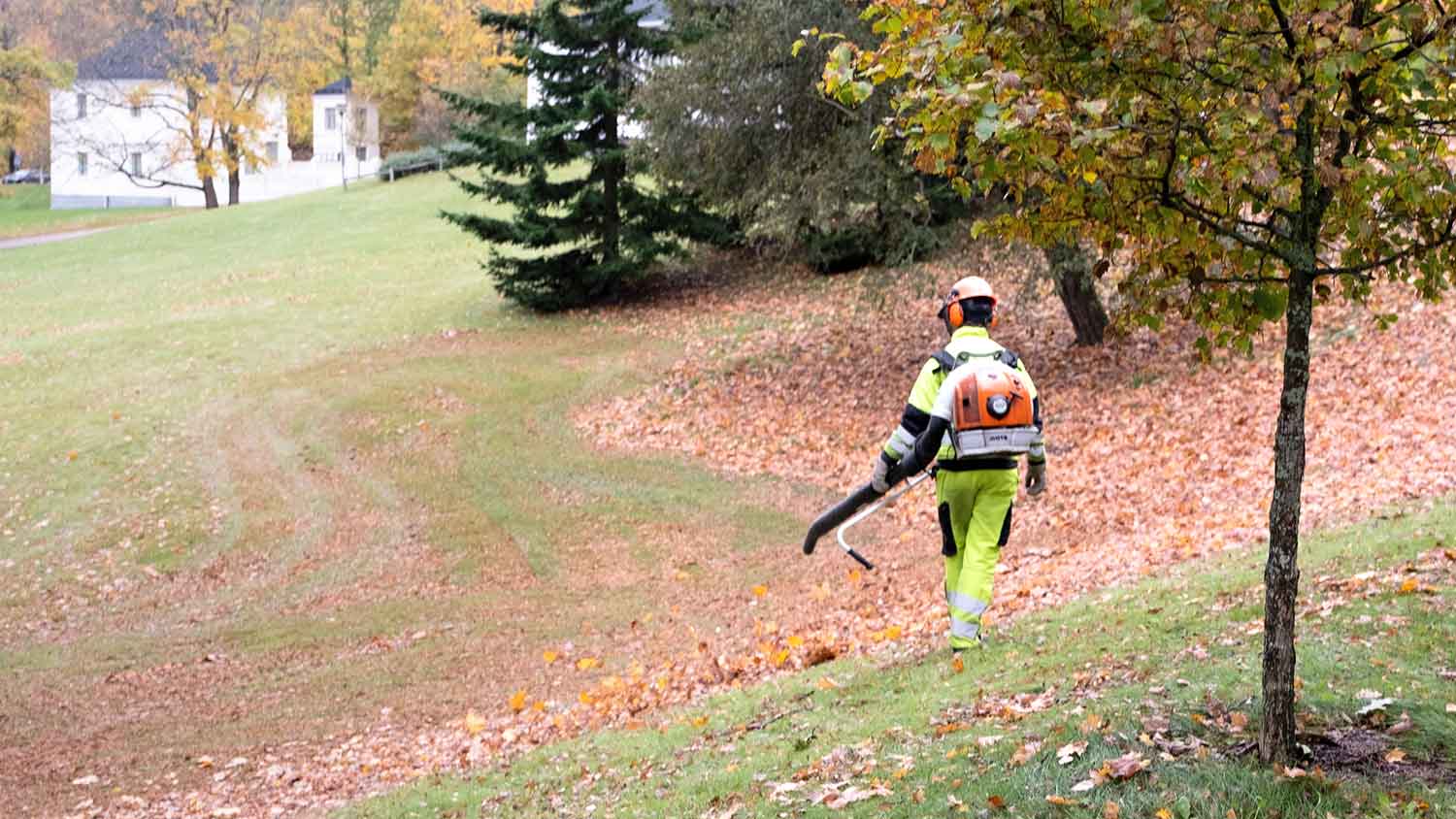
The Lewistown, MO homeowners’ guide to leaf removal services
From average costs to expert advice, get all the answers you need to get your job done.