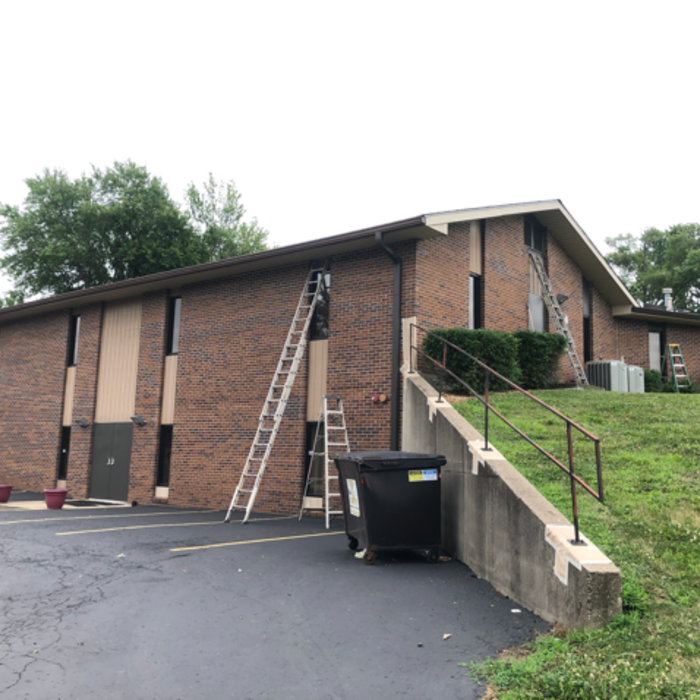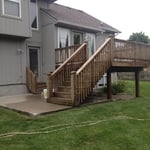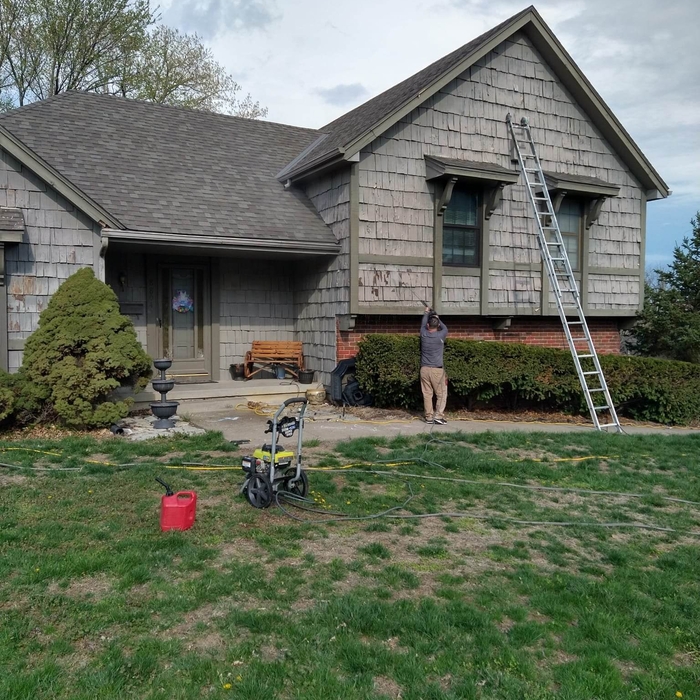







Top-rated deck staining pros.

Get matched with top deck staining pros in Lake Winnebago, MO

Enter your zip and get matched with up to 5 pros

Need a pro for your deck staining project in Lake Winnebago, MO?

Select your specific project to find the pro for you.

TRUSTED BY LAKE WINNEBAGO, MO HOMEOWNERS

  • Average homeowner rating star icon4.7
    Average homeowner rating
  • Verified reviews icon423
    Verified deck staining services reviews

Find Deck staining pros in Lake Winnebago

Avatar for Home Aesthetics
Home Aesthetics
4.7(
29
)
Exterior Home or Structure - Paint or Stain: LargeExterior Home or Structure - Paint or StainExterior Home or Structure - Paint or Stain: Medium

Serving Lake Winnebago, MO and surrounding areas

Approved

In business since 2007

Free estimates

Warranties offered

"We hired rob to stain our new fence and older deck. Rob is very knowledgeable and considerate. He was quick on giving a reasonable quote, communicated thoroughly, and finished the project in a timely manner. He even dropped off a brochure of stain colors for my convenience and was honest and reduced his quoted price since he did not have to use as much stain as previously thought. I will be recommending rob to others and keeping him as a contact for future projects."
Rey
Rey
Rey
New porch and repaint
Hampton's

+20

Response time4 hrs
3 neighbors recently requested a quote

Recommended by96%of homeowners
...
Showing 1-10 of 294
Deck Staining questions, answered by experts

You’ll need to restrain your deck when you notice fading, cracking, peeling, or mold and mildew over a moderate to large area, or when it’s become especially difficult to clean. As for how often to stain a deck, plan to do it every two to three years or whenever you start to notice extended damage.

A wood deck requires annual cleaning and regular inspections for loose or broken boards, nails, and screws. It should be refinished by applying a stain or sealer every two to three years to protect the wood from water damage, rot, mildew, and sun fading. The exact frequency can depend on the climate and the deck's exposure to sun and moisture. If your deck is painted, it will need repainting approximately every 10 years. Signs that your deck needs refinishing include faded, splintering, or warping boards.

Liquid rubber is great for waterproofing, but it can damage your deck if it’s not applied correctly. First, it can trap moisture in the wood if the deck isn’t completely dry before application.  Second, applying it too thickly can create a heavy, rubbery surface layer that peels and cracks under fluctuating temperatures. For the best results, ensure the wood is completely dry before application, and apply the liquid rubber in thin, even coats. A quick inspection every now and then will help you catch any issues early, keeping your deck protected and looking its best.

Choosing the right product involves understanding deck material, desired finish, and local weather conditions. Opt for high-quality, weatherproof formulations ensuring long-term durability and appearance retention.

Limewash and whitewash are two techniques used to give brick a light, matte finish, but they differ in composition, application, and permanence. The best choice depends on your aesthetic goals and the specific surface.

Composition

  • Limewash: A natural and environmentally friendly option made from limestone, water, and sometimes pigments. It is breathable and soaks into porous surfaces like brick.

  • Whitewash: Traditionally made from lime, water, chalk, and binders, but a similar look can be achieved with watered-down white paint. It is paint-based and sits on top of the surface.

Appearance and Finish

  • Limewash: Provides a natural, textured appearance that allows the brick's character to show through. It offers a more traditional finish.

  • Whitewash: Creates a softer, more opaque finish, often used for a rustic or shabby-chic style.

Application and Permanence

  • Limewash: Is semi-permanent and can be removed, making it a good choice if you might want to change the look in the future. It requires more skill to apply and cannot be used on previously painted brick.

  • Whitewash: Is a more permanent solution. It is more forgiving to apply and can be used on painted brick. However, because it sits on the surface, it can trap moisture.

Ultimately, if you want a breathable, natural, and reversible finish for unpainted brick, limewash is a great option. If you need a more permanent, opaque coating that can be applied over painted surfaces, whitewash is the better choice. Whitewashing may also be more economical, costing approximately $1.40 to $4.20 per square foot.

The Lake Winnebago, MO homeowners’ guide to deck staining services

From average costs to expert advice, get all the answers you need to get your job done.