






Top-rated fence painters.

Get matched with top fence painters in Freeman, MO

Enter your zip and get matched with up to 5 pros

Need a pro for your fence painting project in Freeman, MO?

Select your specific project to find the pro for you.

TRUSTED BY FREEMAN, MO HOMEOWNERS

  • Average homeowner rating star icon4.6
    Average homeowner rating
  • Verified reviews icon287
    Verified fence painting services reviews

Find Fence painters in Freeman

No results for Fence painter in

Try adjusting your search criteria.
Fence Painting questions, answered by experts

While power washing isn't a requirement before you stain a fence, it can make the job much easier and faster while reducing manual labor requirements. The stain will not work if the wood is full of dirt and dust, so power washing, sometimes called pressure washing, is a fast and effective way to prepare the wood for staining. Remember that you need to stain or repaint relatively soon after the wood has dried so that there isn’t time for dust and dirt to build up again. 

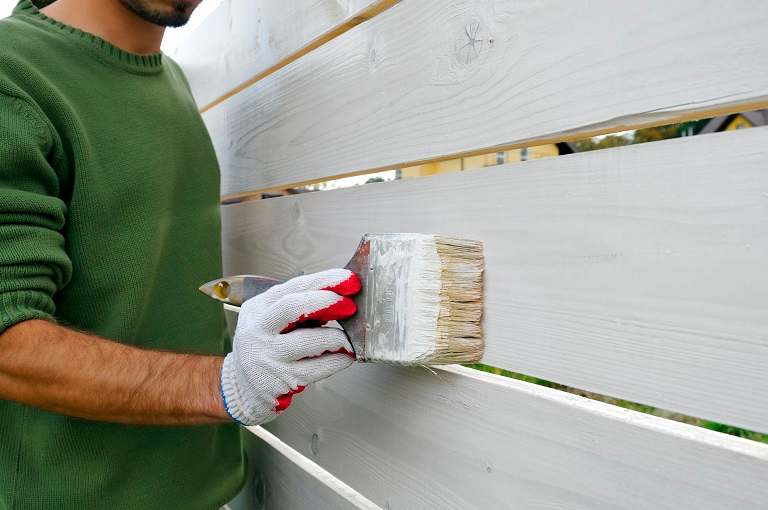
Whether to brush or roll stain on wood depends on the project and your preference. Brushing is ideal for smaller, intricate areas and offers more control over the application, ensuring thorough coverage and penetration into the wood's grain. 

Conversely, rolling is efficient for more extensive, flat surfaces and can save time. However, it is not always the best fit for textured or uneven wood. Some projects may benefit from combining both methods, using a brush for detail work and a roller for broader areas. Ultimately, the choice between brushing and rolling depends on the specific requirements of your staining project.

Applying a sealer or topcoat after staining wood is highly recommended, though not always strictly required. A sealer protects the wood from moisture, UV rays, and weather-related issues, which is especially important for outdoor surfaces like decks and fences. It also enhances the stain's durability, prevents fading over time, and gives the wood a cleaner, more professional-looking finish. For some indoor applications, a sealer may not be necessary, depending on the type of stain used and the level of protection needed. It's always best to check the stain manufacturer's recommendations and consider the wood's intended use and exposure when deciding whether to apply a sealer.

The number of coats you need to apply when whitewashing a surface depends on how opaque you want the final product to be. If you're going for a transparent, barely there look, a single coat or two may suffice. For fuller coverage, you'll want to use multiple coats. Another option is to use a less diluted paint to get a thicker coverage. 

The best time to stain a fence is when the weather is dry and temperatures are between 50 and 90 degrees Fahrenheit. Late spring, early summer, and fall are typically the best seasons for this project. You should avoid staining during very hot weather, like in the middle of summer, or when it is raining. Heat and moisture can cause the stain to dry unevenly. Likewise, if it's too cold, such as in winter or early spring, the stain may not be able to dry fully. Before you start, check the forecast to ensure there will be no rain and low humidity for at least a few days.

The Freeman, MO homeowners’ guide to fence painting services

From average costs to expert advice, get all the answers you need to get your job done.