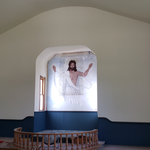
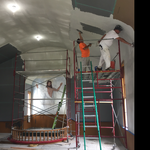
Over 10 years in new construction drywall and repairs. Specializing in finishing, repair, texture matching, and new drywall installation. I only believe in the best quality work and meeting customers needs without cutting any corners.
"We had some water damage and they came out to fix the plasters. I was happy with the service and we're very satisfied with they work. If I have some issues that came back and fix it right away, no problem, no questions and they fix the issues without charge."
We pride our company on reliability, great communication, integrity, and quality work. We are experts in our trade and will do our best to keep you as educated as we can on your particular task or project. We look forward to earning your business!
\n
Jeremiah Hinkle, the head of JK Plastering, is a traditionally trained journeyman plasterer in a traditional market. His work stands out from his peers due to his unparalleled experience and passion for plaster. Call Jeremiah today to book an appointment for your plaster needs!
"Although the work was very good, the hours did not coinside with our lifestyle. They arrived around noon and worked late into the night with a 2 hour break for dinner. Our fault for not requesting a different schedule. They swept before they left, but there was still quite a mess."
With over 20 years of business, Triple R Construction is the way to go for all your Drywall & Plaster needs. We take great pride in our timeliness, strong work ethic, and superior customer service every time. We can even service your water heaters! Residential & Commercial. Call today for the Drywall/Plaster experts of the "Show me State!"
\n
\nSatisfaction Guaranteed!
\n
"He listens to what you want and advises you if any issues arise along the way. Great attitude and dosen't take breaks unless you tell. Hin to. He completed both projects on time and on budget"
Whether you can install or repair plaster yourself depends on the project's size and your comfort level with DIY projects. It's possible to handle small repairs on your own, but for larger projects like a room restoration or a full installation, it's often best to hire a local plaster professional. The final appearance, even coverage, and durability of the plaster depend heavily on proper wall preparation and application. If you are not 100% confident in your ability to achieve a professional result, letting an expert handle the job is a worthwhile investment.
The tool you use to sand plaster will depend on the size of the project. If you’re just working on a small section of your wall to get rid of an uneven spot on the surface, hand-sanding might work. However, for larger projects, a drywall sander can make a huge difference when it comes to both time and elbow grease—and an orbital sander can help for detailed areas such as around ceiling fans.
If the holes in the plaster are small, you can fill them with layers of patching plaster until they’re filled. After it dries, you can sand the plaster and paint over it. If the hole is much larger, consider using bonding plaster first and then a layer of patching plaster, completing the process with sanding and a layer of paint.
Technically speaking, you can use drywall primer over plasters. However, oil-based primers work the most effectively on wall plasters. Meanwhile, water-based primers work just as well with drywalls. Nowadays, there are also universal primers suitable for drywall and plaster. Overall, you will be fine as long as you are using a trustworthy brand.
Although they have similar applications, spackle and joint compound are not the same. Their primary differences lie in their composition, consistency, and ideal use cases.
Spackle is composed of gypsum and binding agents, making it thicker than joint compound. It dries quickly and is easy to sand, which makes it ideal for small wall repair projects like filling nail holes or patching minor damage.
Joint compound, also known as drywall mud, consists of limestone and gypsum. It is primarily used for large-scale projects, such as taping and finishing the seams on newly installed drywall. It tends to shrink more than spackle and can be more difficult to spread.
While both products can be used to fill small depressions and cracks, spackle cannot replace joint compound for taping and mudding new drywall. Conversely, you can often use joint compound for small patching jobs typically done with spackle.
The Deepwater, MO homeowners’ guide to plaster repairs
From average costs to expert advice, get all the answers you need to get your job done.
Venetian plaster can add depth and texture to your aesthetic. Learn how much Venetian plaster costs based on factors like square footage and whether you hire a pro to help.
You can find plaster walls in a lot of older homes. What’s behind these walls—whether that’s lath or calcimine—can have an impact on how long they last. Finding out the age of your house can help you determine what you’re dealing with.