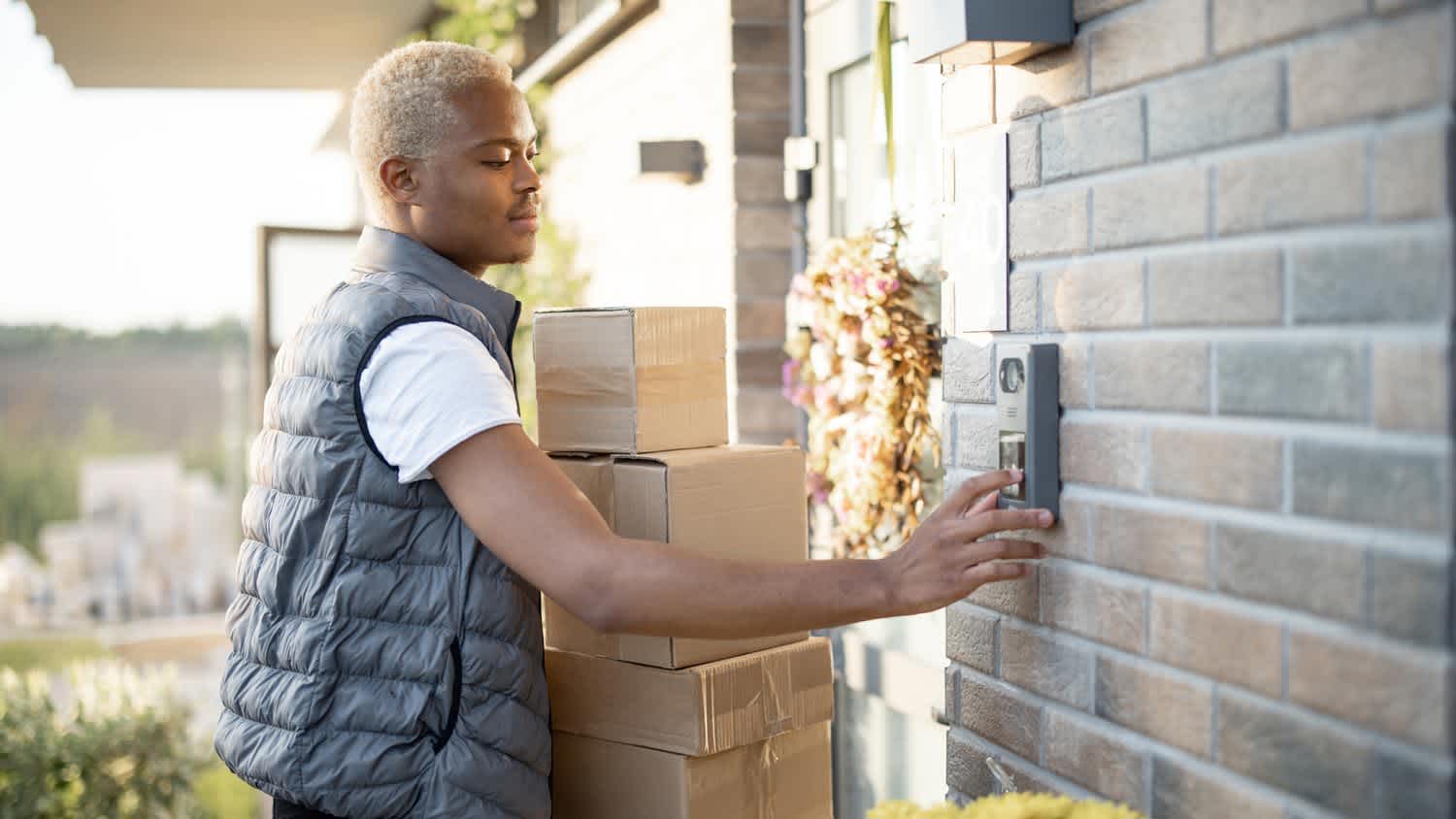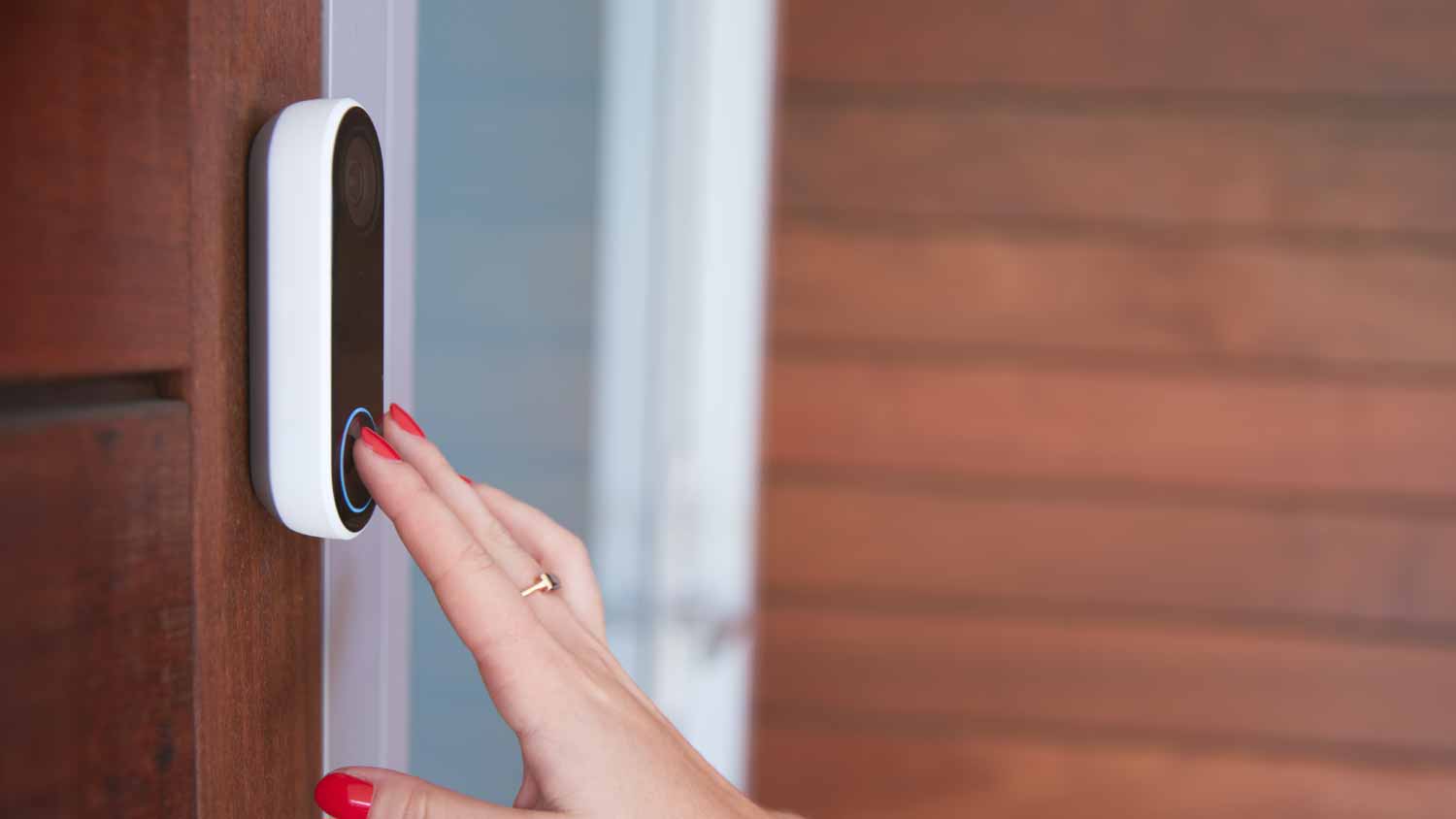





Top-rated doorbell installation pros.

Get matched with top doorbell installation pros in Cuba, MO

Enter your zip and get matched with up to 5 pros

Need a pro for your doorbell installation project in Cuba, MO?

Select your specific project to find the pro for you.

TRUSTED BY CUBA, MO HOMEOWNERS

  • Average homeowner rating star icon4.3
    Average homeowner rating
  • Verified reviews icon49
    Verified doorbell installation services reviews

Find Doorbell installation pros in Cuba

No results for Doorbell installation pro in

Try adjusting your search criteria.
Doorbell Installation questions, answered by experts

Yes, you can install insulation behind drywall yourself, but only if your walls are not finished. If your studs are exposed, installing fiberglass insulation in roll or batt form is very straightforward and just requires a few tools and some safety equipment. If your walls are already finished and you’re looking to add insulation, it’s better to hire a professional, as you’ll likely need blown-in insulation, which can be dangerous to work with and a challenge to get into the proper areas in your wall voids.

Three signs that you need crawl space insulation are drafts, high energy bills, and mold. Drafts can start in crawl spaces and cause hot or cold air to spread to the rest of your home through holes in the floors and walls. And even if your entire home is well-insulated, you can still feel an unchecked draft from your crawl space and in your utility bill. Uninsulated crawl spaces can let in air and moisture, and because they’re built directly on the ground and difficult to dry out, they are hotspots for mold and mildew.

Unfaced wall insulation is easier to cut and install, making it the better choice for a DIY project. It’s also more affordable. But if it’s unfaced, you’ll likely need to add a vapor barrier to reach your desired R-value and efficiency, as it doesn’t offer any moisture barrier.

Faced insulation uses paper or foil to create a built-in barrier and doesn’t require an extra step. It’s also more fire-resistant and safe. But it’s quite a bit more expensive and a little bit harder to work with as a DIYer.

The primary downside of radiant barriers is their limited effectiveness in cold climates. They are designed to reflect radiant heat, making them less beneficial in cooler conditions where heat retention is more important. 

Radiant barriers require proper installation to maximize effectiveness. Incorrect placement can lead to minimal benefits. They also do not provide insulation, meaning they should be used in conjunction with traditional insulation for optimal energy efficiency. 

Air duct insulation typically lasts for 10 to 15 years or even longer, depending on the material and maintenance. It's important to conduct periodic inspections to check for signs of deterioration, such as water damage, tears, or general wear. If you find any of these issues, it may be time for repairs or a full replacement. You might also consider upgrading your insulation even if it's in good shape to improve your home's energy efficiency and enhance your HVAC system's performance with newer, more effective materials.

The Cuba, MO homeowners’ guide to doorbell installation services

From average costs to expert advice, get all the answers you need to get your job done.