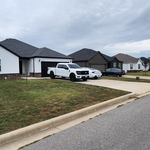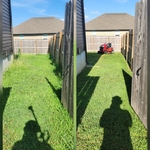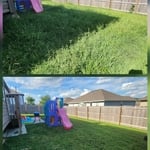







Top-rated weed maintenance pros.

Get matched with top weed maintenance pros in Billings, MO

Enter your zip and get matched with up to 5 pros

Need a pro for your weed maintenance project in Billings, MO?

Select your specific project to find the pro for you.

TRUSTED BY BILLINGS, MO HOMEOWNERS

  • Average homeowner rating star icon4.4
    Average homeowner rating
  • Verified reviews icon40
    Verified weed maintenance services reviews

Find Weed maintenance pros in Billings

No results for Weed maintenance pro in

Try adjusting your search criteria.
Weed Services questions, answered by experts

If you spray a DIY vinegar solution that contains high salt, it can disrupt the soil's structure and make it difficult for plants to grow. That's why it's vital to avoid spraying vinegar solution on areas where you are trying to grow plants and flowers. When using a mix of vinegar and soap, some say you can plant a few days after the vinegar dries. 

There are organic herbicide options that will kill grass but not flowers, including white vinegar or a dish soap solution. Commercial selective herbicides can also target grass over other plants, but read the instructions carefully to avoid damaging your garden. Herbicides that kill grass but not flowers usually include ingredients like clethodim and sethoxydim. Otherwise, your best bet will be to weed by hand.

Johnsongrass and crabgrass are invasive weeds that can overtake your lawn. Crabgrass is a low-growing grass most often seen in lawns, flower beds, and vegetable gardens. While you may find Johnsongrass growing in your lawn, it will also grow in pastures, crop fields, and the edge of the road. Johnsongrass is much coarser than crabgrass. If left alone, Johnsongrass can grow up to 8 feet tall. 

Herbicides containing a combination of the active chemical ingredients dicamba, fluroxpyr, and quinclorac are most effective at purging your turf of white clover. However, for small home lawns, organic prevention and control can be very effective methods for killing clover weeds and save you from using harmful pesticides that might damage your lawn.

The best way to keep voles from tunneling in your yard is to keep grass trimmed and bushes cut back from the ground at least 5 inches. Cleaning up yard debris, wood chip piles, and brush piles can also help keep voles at bay. If you notice vole activity, you can also remove bird feeders since these are a ready source of food for the tunneling rodents.

The Billings, MO homeowners’ guide to weed maintenance services

From average costs to expert advice, get all the answers you need to get your job done.