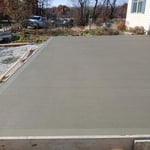
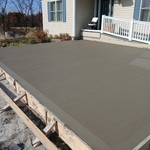
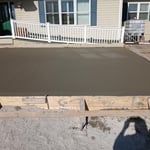
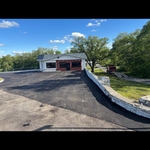
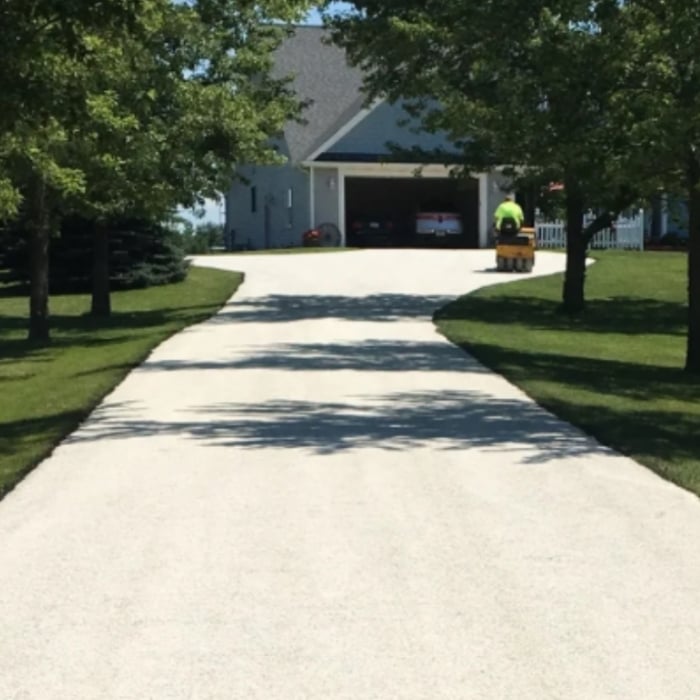
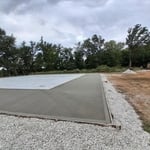
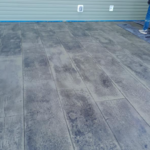
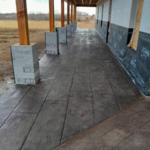
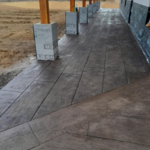
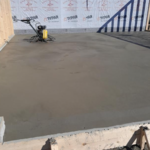
"They were very prompt and were very detailed about the project and all the specifics. They had a very well mannered crew they showed up redone my entire parking lot and it looks absolutely beautiful. The drainage is on point. It looks as if they were never there. they’re cleanup. Crew was amazing and the great thing is they had a lot of other work going on and they squeezed my 15,000 square-foot job in like it was nothing and took really good care of me. I would highly recommend them any day of the week."
"I recently hired Enyeart Construction to install new flooring in my living room. They completed the job quickly and their pricing was very reasonable for the quality of work provided. Communication was smooth throughout the process. I highly recommend Enyeart Construction for anyone looking for reliable, high-quality construction or remodeling work."
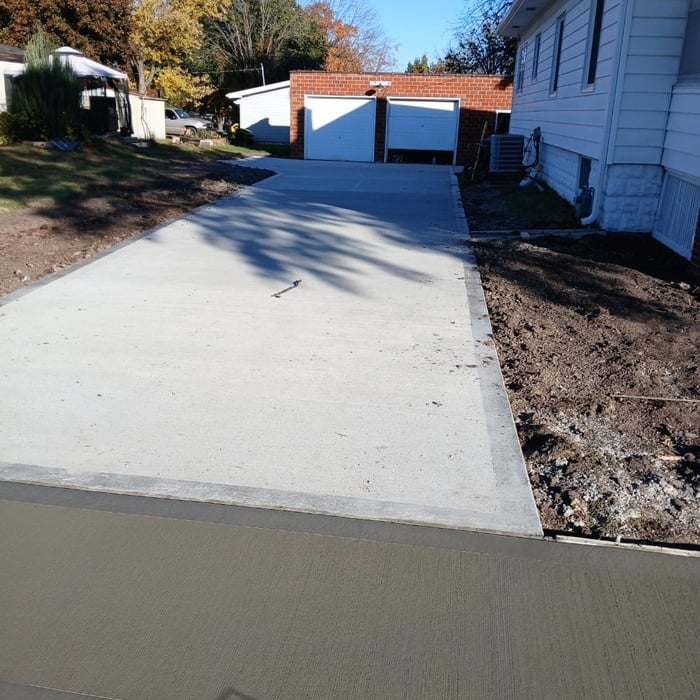
"We hired J & H Mid Mo Concrete after shopping around for a reputable company that offered a price we budgeted for. Jonny was our point of contact and he was terrific. He was o. Time and accessible whenever we needed him. He was also very clear with his plan and kept our vision as his own. We appreciate the work his team did and most of all, we love the new driveway and would most definitely hire him. I recommend J & H and wouldn’t hesitate (and haven’t! ) to recommend them to friends and family. Thank you so much for exceeding our expectations!"
"Eugene and his crew do excellent work! I highly recommend them! They are very busy and sometimes their communication is slow but be persistent. The results are worth it:-)"
Deciding whether to buy or rent a pressure washer depends on your budget and how often you plan to use it.
Renting: The daily rental cost typically ranges from $40 to $175. Renting can be more cost-effective for a one-time project.
Buying: The purchase price for a pressure washer can range from $100 to over $1,000. More specifically, electric models generally cost between $100 and $400, while gas models run from $300 to $600.
If you anticipate using a pressure washer multiple times a year, buying one is often a better long-term investment. When purchasing, remember that a higher-quality machine will likely deliver better and more reliable results.
You can whiten concrete for unsealed and unfinished concrete with a solution or either muriatic acid or bleach and water—but never both. However, if your concrete does have a stain, finish, or polish, keep in mind that these hard chemicals could damage the topcoat. Your best bet otherwise is to power wash outdoor concrete slabs or clean indoor ones with a gentle cleaner such as laundry or dish detergent.
Excavators work in tandem with dump trucks to haul away excess dirt and soil. The excavator will dig into the ground and move the excess dirt into a pile. Using a backhoe, the specialist can fill a truck with excavated soil from that pile. They will then drive the truck to a different location where they can dump the material.
Yes, a pressure washer uses less water than a garden hose. There are many ways to use a pressure washer, and it can be an eco-friendly hose substitute. While a pressure washer expels water with greater force, it uses 50% to 70% less water than a garden hose. Specifically, hoses put out six to 10 gallons per minute (GPM), while pressure washers only use two to five GPM.
Yes. You can pressure wash pavers. However, you risk damaging them if you use too much pressure or get too close. Use a PSI of 1,500 and spray the water at least 24 inches away from the surface.
The Bevier, MO homeowners’ guide to concrete driveway services
From average costs to expert advice, get all the answers you need to get your job done.
Between the endless customizations and decades of strength, the cost of a concrete driveway may be worth the investment. Let's break down your bottom line.
Thinking about a new concrete driveway? Learn about installation costs, design options, and how to hire the right local pro for your home's exterior upgrade.
Before you hire a pro to pour a new concrete driveway, you should have a good idea of what you need. Discuss these concrete driveway installation questions with a pro.