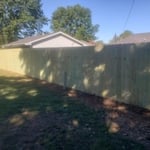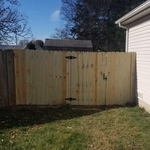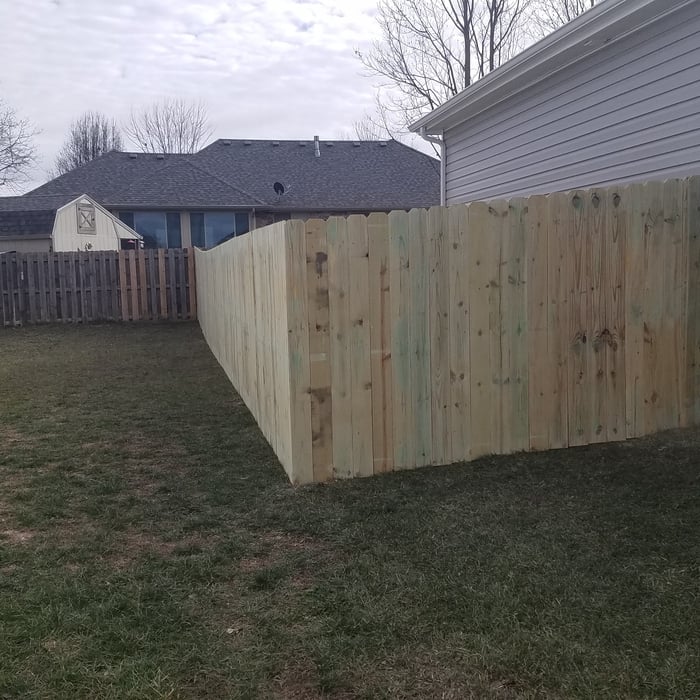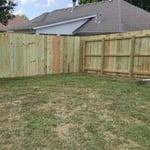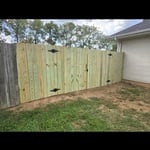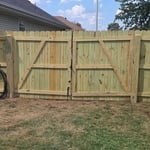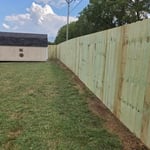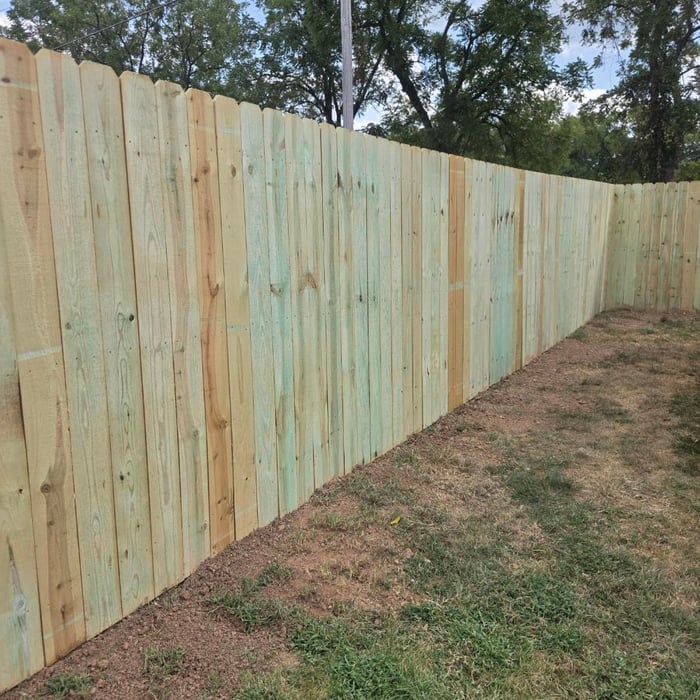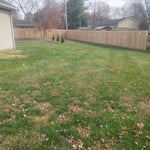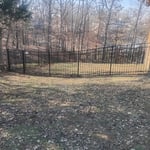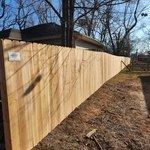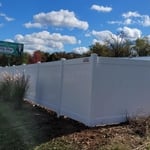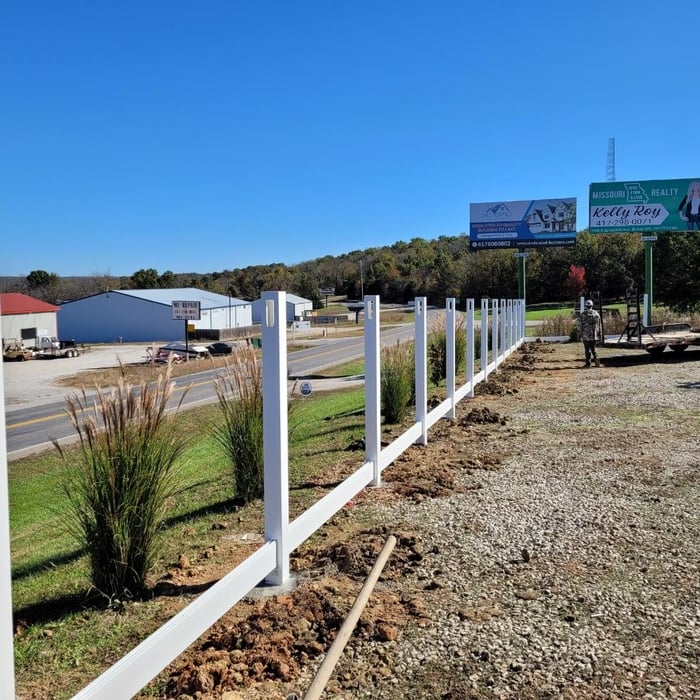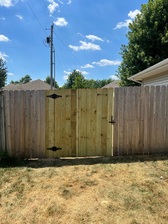






Top-rated fencing pros.

Get matched with top fencing pros in Ash Grove, MO

Enter your zip and get matched with up to 5 pros

Need a pro for your fencing service project in Ash Grove, MO?

Select your specific project to find the pro for you.

TRUSTED BY ASH GROVE, MO HOMEOWNERS

  • Average homeowner rating star icon4.3
    Average homeowner rating
  • Verified reviews icon38
    Verified fencing services reviews
Fencing questions, answered by experts

The lifespan of wire fencing heavily depends on factors like gauge, material, coating type, and environmental conditions. However, with proper maintenance, many wire fences last for 20 to 30 years. Coastal areas or regions with high rainfall may see reduced lifespans of 10 to 15 years due to increased corrosion risk.

Vinyl and chicken wire are two of the best and most affordable materials for a DIY garden fence. Vinyl is a great option because it is cost-effective, easy to work with, and effective at keeping pests out. A vinyl fence can cost as little as $15 per linear foot, especially if you install it yourself. Chicken wire is even more budget-friendly, costing as little as $2 per linear foot. While chicken wire is more affordable, vinyl is a better choice if privacy is a concern. You can also add chicken wire on top of a vinyl fence for extra security.

The lifespan of a fence can range from 5 to 50 years, depending heavily on the material, local climate, and how well it is maintained. For example, a wooden fence might last 7 to 15 years, while a vinyl fence typically lasts 20 to 30 years. Metal, composite, and glass fences have some of the longest lifespans. Proper maintenance, such as regular cleaning, inspections, and staining or sealing for wood, is key to extending the life of any fence material. Vinyl and composite are durable options that don't require sealing.

A setback is an area of space between your fence and the property line, meaning you build a fence a few inches before your neighbor’s property begins. You can build your fence on a setback—some communities recommend this—but this means a sliver of your property will be on your neighbor’s side of your fence.

Whether you need a permit to build or install a fence depends on several factors, including your location, the fence's height, its placement in your yard, and the materials used. In many cities and highly populated areas, a permit is required, especially for fences taller than 6 feet. Conversely, rural areas may have fewer restrictions. Typically, backyard privacy fences 6 feet or shorter do not require a permit, while front yard fences often have a lower height limit, sometimes as low as 3.5 feet. There can also be exceptions for properties in mixed residential-commercial zones. It's best to check with your local building inspection or zoning department to understand the specific requirements, height restrictions, and location rules for your area. A professional fence installer can help you navigate this process and often secure the necessary permits for you, though this may extend the project timeline.

The Ash Grove, MO homeowners’ guide to fencing services

From average costs to expert advice, get all the answers you need to get your job done.

What do you need done? We’ll find top pros.
  • 🌱 "Mow a small front yard"
  • 🛠 "Fix a leaking pipe under the sink"
  • 🏠 "Repair shingles on an asphalt roof"