"I found him hard to work with (e.g. doesn't listen, pushy about doing it his way.) I was really hesitant after the estimate but he just kept pushing about it and I didn't have any other options - but I was sorry afterwards. I don't really like it, the quality doesn't seem great - but most important, it's not level. Drives me crazy and looks bad - just three panels and it's not level! Makes me nuts looking at it - feels like I threw my money away."
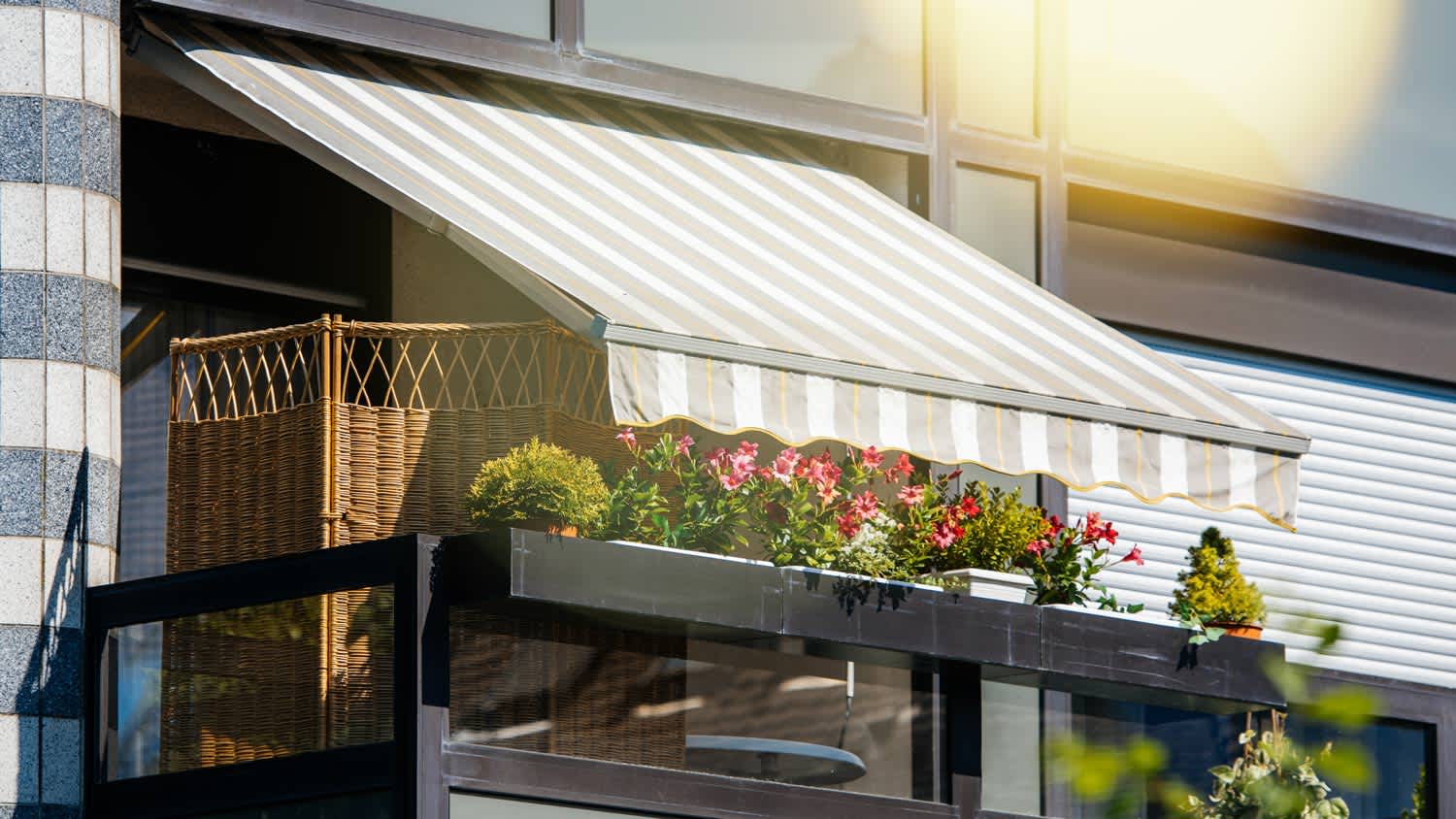
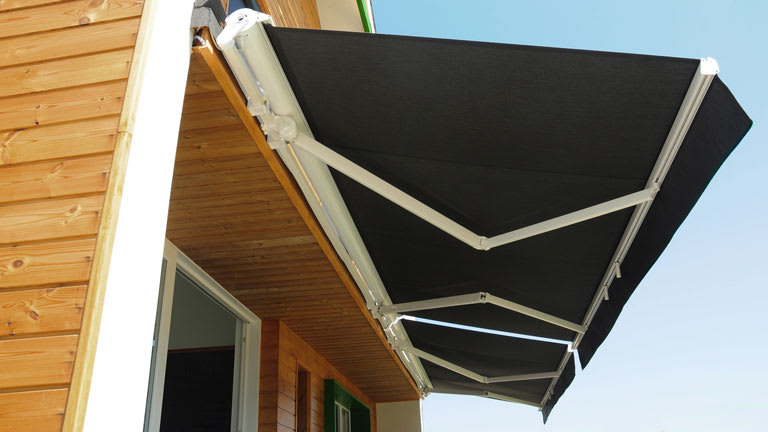
Yes, you can install an awning yourself, and it can be an excellent DIY project with immediate benefits. This is most feasible for smaller, pre-assembled units. However, awnings are often heavy and awkward for one person to handle, so you should always have at least one helper. If you have difficulty lifting heavy objects, professional installation is recommended to ensure proper mounting and durability.
There are many ways to mitigate wind damage. Some of the most common methods include installing storm windows and doors and wind-rated garage doors. When you get a wind mitigation inspection, the inspector will also assess the condition and shape of your roof to see how well it will withstand strong winds.
Aluminum patio roofs can make noise during rainstorms, though how much noise they make depends on how heavy it’s raining and if the roof is insulated or not. Light rain falling on your roof might sound soothing but if you live in an area with serious and consistent rainfall, the novelty of the sound might wear off. In any case, the rain you'll hear shouldn't sound louder than a normal conversation or air conditioner, about 50 dB to 55 dB.
Awnings can be a serious investment for homeowners, particularly if it features a motorized and retractable design. Protect the exterior of your home by choosing a reliable and reputable contractor. Do some research ahead of time to get an idea of the potential contractor’s strengths and weaknesses. Don’t hesitate to give them a call to discuss specifics.
Yes, awnings can add value to a home, primarily by boosting its curb appeal and providing more usable outdoor space. While the exact monetary return on investment depends on the awning's size, style, and quality, they offer an excellent appeal factor to potential buyers. For example, an awning with a trendy metal roof can be particularly attractive. Even if the direct increase in resale value is modest, a well-chosen awning enhances the home's functionality and aesthetic.
The Stephen, MN homeowners’ guide to patio cover services
From average costs to expert advice, get all the answers you need to get your job done.
In the market for some summer sun covers or looking to expand your indoor living space? Patio covers are the key to keeping cool while enjoying the outdoors.