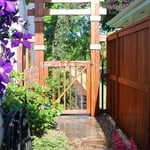
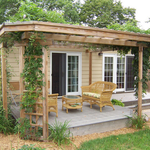
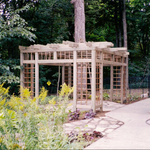
"I found him hard to work with (e.g. doesn't listen, pushy about doing it his way.) I was really hesitant after the estimate but he just kept pushing about it and I didn't have any other options - but I was sorry afterwards. I don't really like it, the quality doesn't seem great - but most important, it's not level. Drives me crazy and looks bad - just three panels and it's not level! Makes me nuts looking at it - feels like I threw my money away."
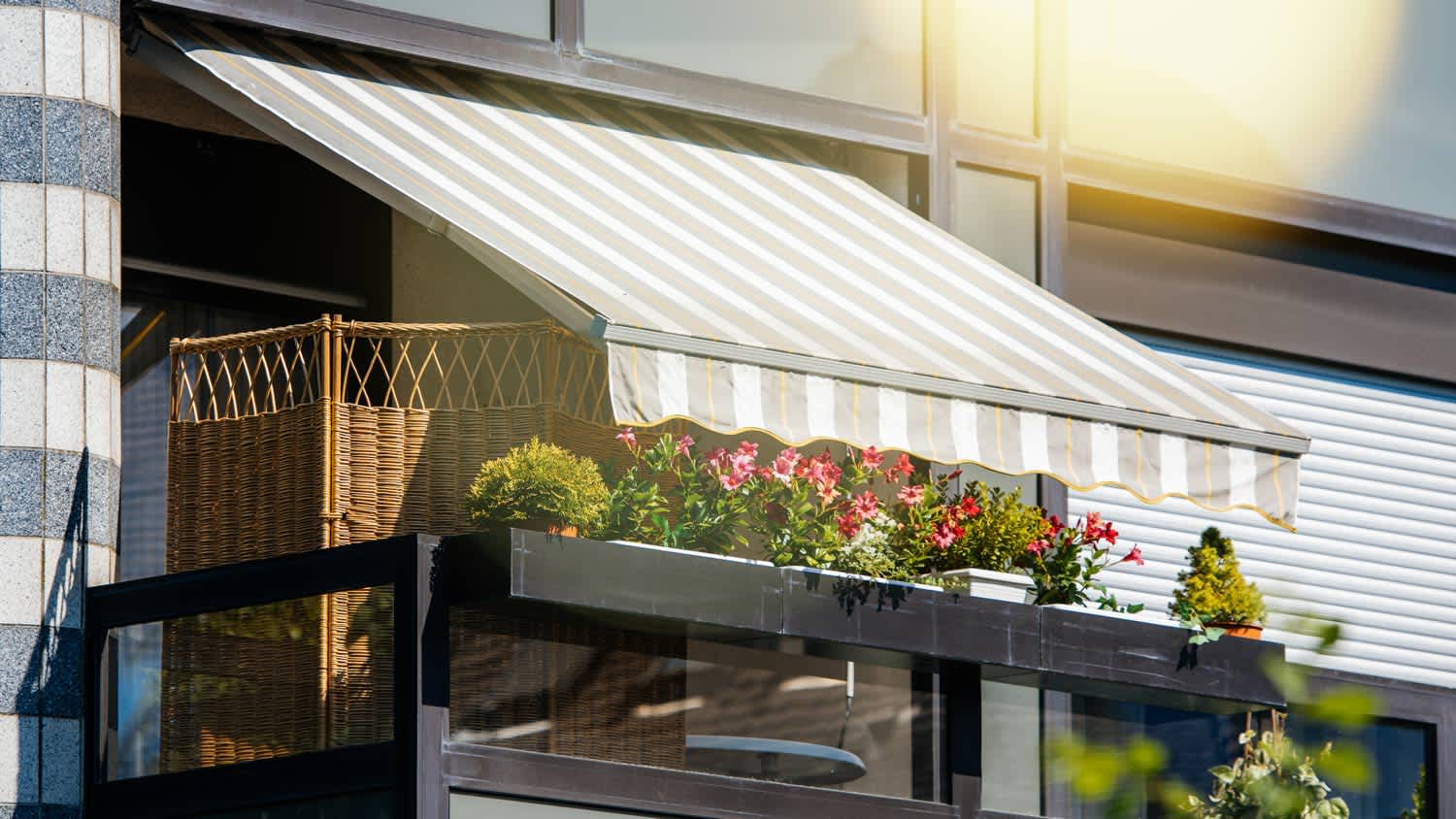
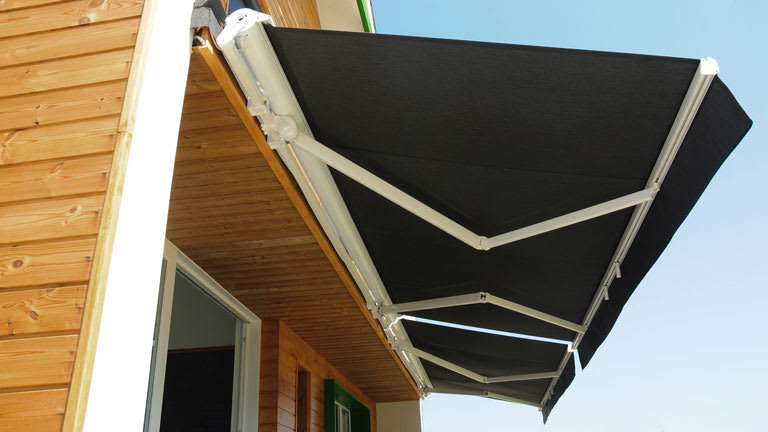
On average, awning costs range from $1,400 to $4,400. The low end of the cost range can be around $100 up to $7,500 on the high end. Cost factors include the type of awning, size, and location. Portable awnings are the most affordable and DIY-friendly to install, costing $100 to $400. Larger, motorized awnings tend to be more solidly built, ranging in price from $2,000 to $3,500.
Besides the type of awning, you’ll need to choose the type of cover. Your awning installation professional will review your options with you, including availability and costs. The types of covers you can choose from include:
Wood, which is durable but can be damaged easily by rainwater and fire
Cotton offers flexibility, weatherproofing, and easy cleaning
Canvas is highly durable and is a good choice for retractable awnings
Metal is sturdy but is prone to rust
Polyester is easy to clean and is a more breathable option
Polycarbonate is highly resistant to UV rays and is difficult to damage
Creating a screen room is one of the most cost-effective ways to enclose a patio so you can still use it in the winter. Most screen rooms aren’t insulated, so you’ll need to wrap up warm or use patio heaters in winter. Also, be aware they might not hold up well if you live in a location where heavy snow is common.
While brick is sturdy and aesthetically pleasing, it’s also an expensive siding material. Other great siding options to consider include vinyl siding, wood siding, and fiber cement siding. Vinyl siding is likely to be the most affordable option, but wood siding can create a rustic aesthetic, and fiber cement is one of the lowest-maintenance siding options available.
Hurricane fabric is a temporary form of hurricane protection that offers an alternative to boarding up windows or installing traditional storm panels. It is installed over windows, doors, and other openings before a storm. When installed properly, hurricane fabric is tested and proven to protect homes from Category 5 hurricanes, which can have winds over 157 miles per hour. It is intended to block the majority of wind and rain and protect against water, debris, and projectile damage. While the fabric is exceptionally durable, windows can still break if hit directly by high-velocity debris. Compared to other options, hurricane fabric is more protective than hurricane window film. Boarding up windows is more labor-intensive and requires storing heavy plywood, while hurricane screens are permanently attached to your home. To further increase protection, you can take additional steps like securing outdoor items and fortifying your home's foundation.
The Greenbush, MN homeowners’ guide to patio cover services
From average costs to expert advice, get all the answers you need to get your job done.
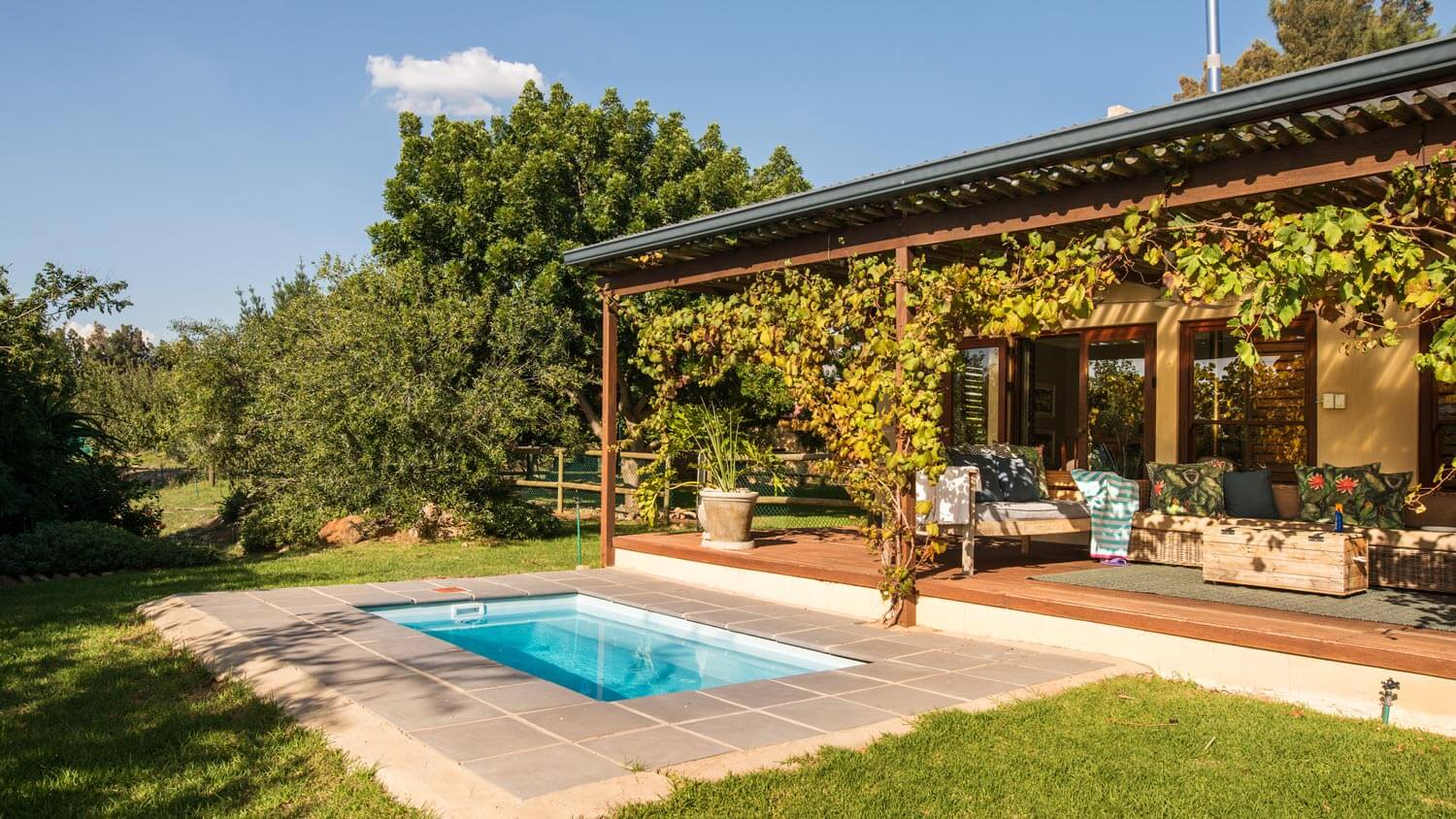
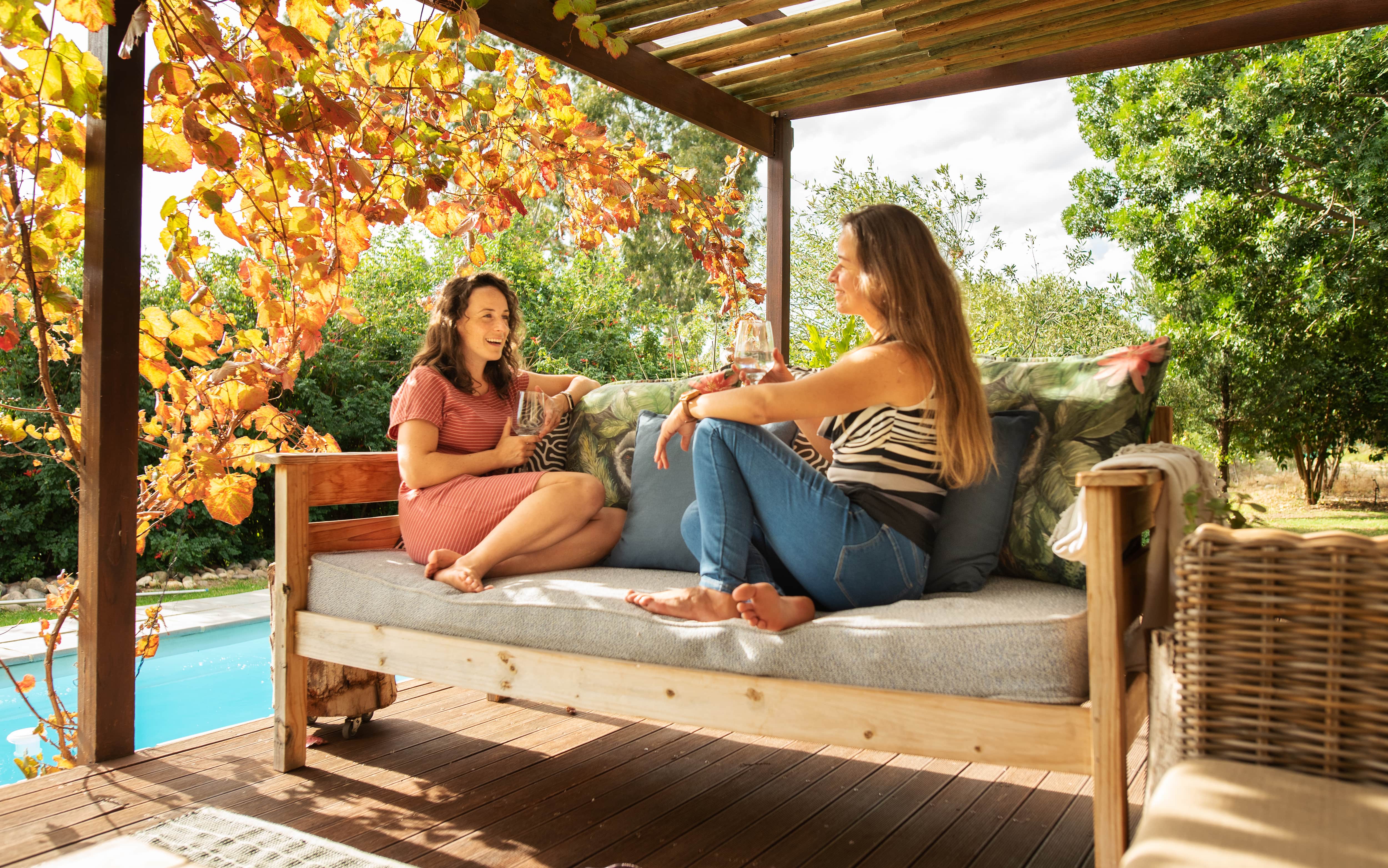
In the market for some summer sun covers or looking to expand your indoor living space? Patio covers are the key to keeping cool while enjoying the outdoors.