"I only use James when I need some work done to my house. He responds fast, gets the work done quicker than just about anyone else I've ever used and seems very concerned with leaving his customers happy."
No, you can’t use a garage door opener as a gate opener. Automatic garage door openers and automatic gate openers serve similar functions and may even operate similarly via remote control; however, they aren’t interchangeable. Garage door openers aren’t intended for outdoor use and can’t withstand exposure to the elements.
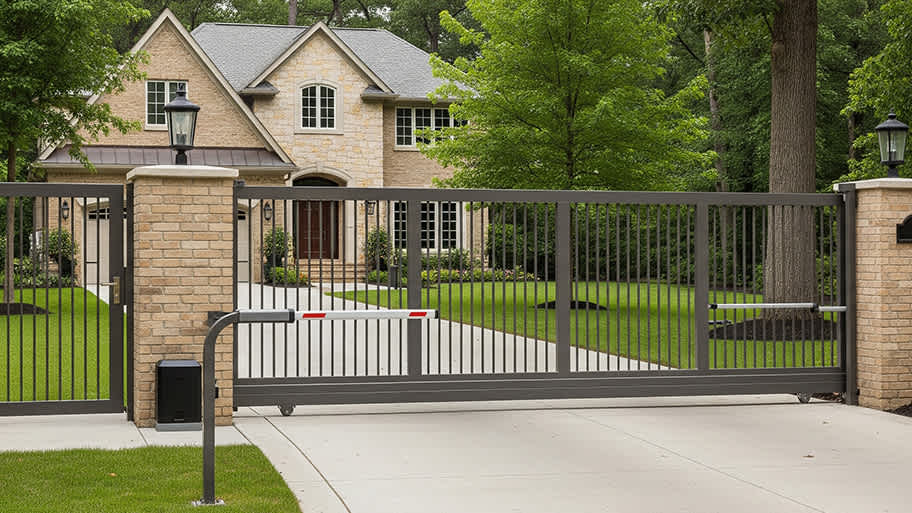
A sliding gate, or a sliding gate door, is a versatile gate system used for various applications. Sliding gate mechanisms allow the gate to move horizontally along a track or guide system when opened or closed. They come in multiple types, including sliding folding gates, telescopic gates, cantilever gates, and track sliding gates. These gates are known for their durability, ease of installation, and user-friendly operation, making them popular for property access and security.
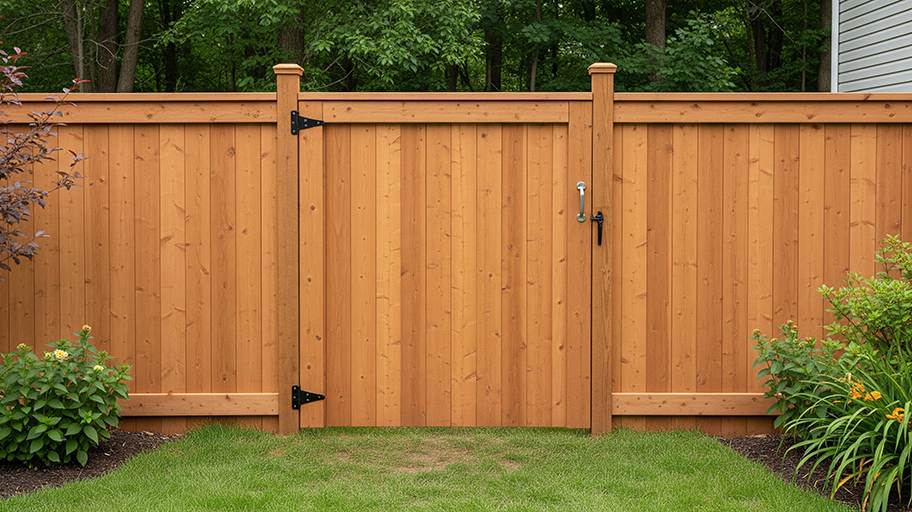
A gate shouldn’t be higher or lower than the fence it's attached to. If the gate is lower than the fence, it encourages strangers to peek at your property. If the gate is higher than the fence, it just looks weird. Gates allow for increased security and aesthetics, so ensure the gate rests at the same height as the fence.
The cost to install a gate varies widely, with a typical range between $1,500 and $7,000. The average cost is around $3,500. However, the final price can be as low as $200 for a simple gate or as high as $12,000 for a large, automated security gate.
Key factors that determine the installation cost include:
Gate Material: This is a primary cost factor. Chain-link and vinyl are the most affordable, while wood and PVC are mid-range options. Wrought iron, aluminum, and other metals are the most expensive materials.
Automation: Automated gates are significantly more expensive than manual ones because they require motors, sensors, controls, and electrical installation.
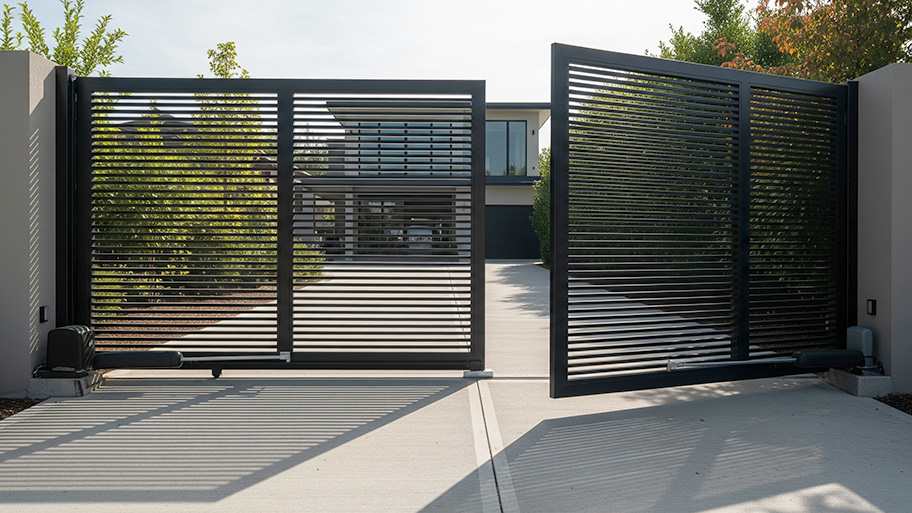
Size and Type: The dimensions and style of the gate (e.g., swinging vs. sliding) will impact the price.
Security Level: Gates with advanced security features will increase the overall cost.
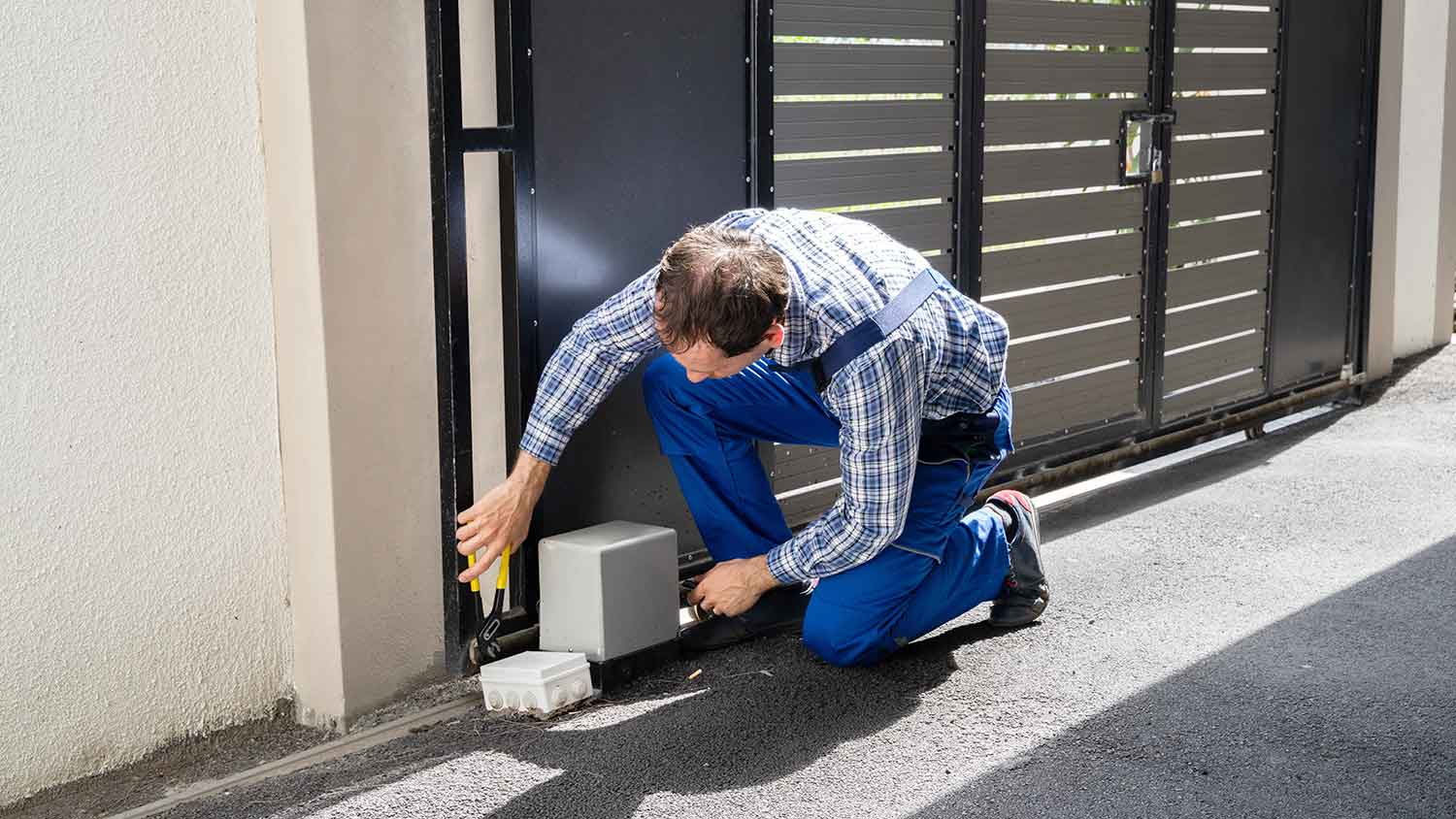
Yes, you can convert manual gates to electric operation. Installing a motor and an opening device from a kit allows you to convert any gate so it can open and close automatically. Be sure to buy the correct type of opener for your gate style. For example, some openers are specific to swinging gates, while others are for sliding gates. Get familiar with your swinging or sliding gate parts before you go shopping to avoid having to return to the store for the correct opener.
The Stephen, MN homeowners’ guide to gate repair services
From average costs to expert advice, get all the answers you need to get your job done.
Gate installation costs depend on the material your gate is made of, and the type of gate you want to install. Explore all the gate installation cost factors in this guide.
Discover the average automatic gate installation cost, key price factors, and ways to save. Get expert tips for homeowners planning a new automatic gate.
Curious about the parts of a sliding gate and how they operate? We've gathered everything you need to know if you're considering installing or repairing one.
If your gate has significant space underneath, your yard isn’t fully secure. This guide offers three easy methods for how to fix a gap under a fence gate.
Failing hinges, a leaning post, and poor cross supports are potential reasons why your fence gate is dragging. Learn how to keep a gate from sagging with this guide.