"Jeremy showed up right on time. He cleaned the carpet so quietly and efficiently even our normally high strung dog didn't notice him much. He was up front about the things that could and couldn't be fixed and knowledgeable about cleaning carpet. We even had Pad Injection done at the site of a couple of really bad pet soiling areas. The whole house smells nice and clean now, and the carpets look great. There were a few spots that couldn't be gotten totally clean due to abuse on our part (really we should vacuum more often) but it looks fantastic. He took extra time at the end with his UV light to look for any remaining pet stains."
"Phil did an excellent job repairing and altering my deck! I have since hired him for many other jobs that I as a homeowner donâ t feel as comfortable completing myself. I also appreciate the input he has by listing out ways and materials to finish projects that I am unaware of."
"I greatly appreciated that the work was done when promised. I worked with Darren Paulson and appreciated his attention to detail and the friendliness that he provided."
Pristine Carpet Care LLC is a locally owned and operated company that values honesty and integrity in all aspects of our business. With over 15 years of experience, we pride ourselves on our innovative ideas and suggestions tailored to your projects. Our services are customized to your individual needs, paying close attention to the details of each project that we are involved with. Please feel free to contact us today!\n
Radniecki Carpet & Upholstery LLC is a family owned and operated business providing cleaning services to Thief River Falls, MN and the surrounding area. Our Butler System truck-mounted hot-water extraction (commonly know as steam cleaning) method removes stubborn dirt and soil, leaving your carpets and upholstery looking, feeling, and smelling new again. We also offer air duct cleaning to remove built-up dirt, dust, and indoor allergens from your ducts, improving your home's air quality. Contact us today for your residential, and commercial carpet, upholstery, and air duct cleaning needs.
NSM-Flooring specializes in both residential and commercial flooring projects of all kinds, from a simple repair, refinish or a large commercial installation. We can do it all. We offer the quality craftsmanship and superior products to meet your needs. Call us today.
Zachary Vig Construction has been in business since 2026, with over 10 years of experience! We specialize in all your home improvement multiple small project needs, and guarantee you a job well done! Whether it be a ceiling fan that needs to be installed, or a door that needs repaired, we are your guys! We strive to exceed the homeowner's expectations each and every time, and get the job done the way you want it. We work in a timely fashion and always pay attention to detail. Proudly serving Hallock & surrounding areas. Free estimates. Call today!\n
Welcome to Handyman Guys! We offer the highest quality work and the most attentive customer service around! With over 18 years of experience, we are known to pay exquisite attention to detail, while making customer satisfaction our top priority. Our handyman services include, decks, fences, flooring, painting, drywall, power washing, lawn maintenance and siding! Please call us today to ask us about our weekly service!
Carpet Installation questions, answered by experts
Costs depend on carpet quality, labor, underlayment, and furniture moving requirements.
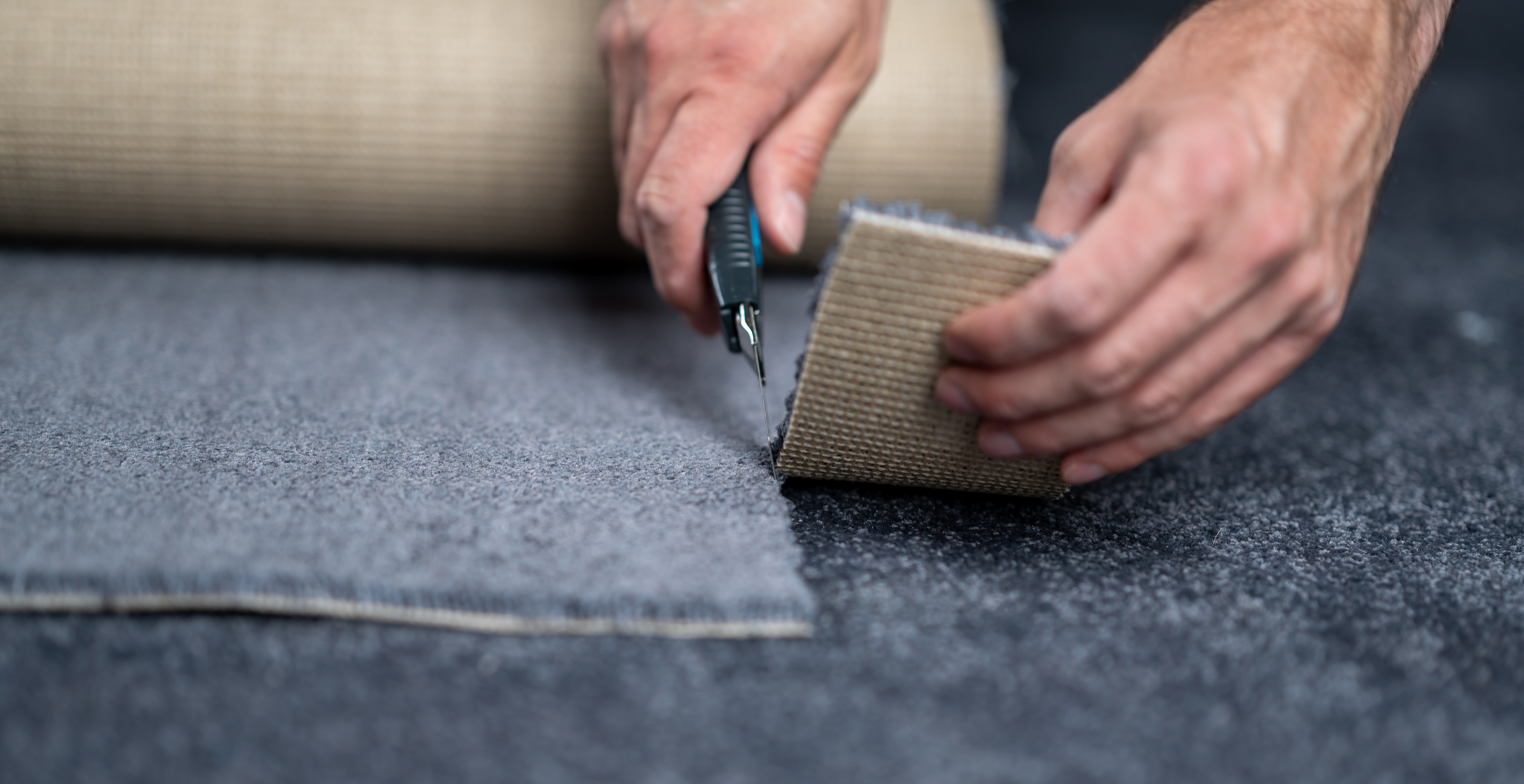
It is normal to glue carpet down, though it’s not the only or the most popular method of installing carpet. Modern techniques include tack strips and stretching the carpet, but you might still find glued carpet in older homes or a home with a DIY’d past. Removing a glued-down carpet will be harder compared to other methods of installation.
No, it isn’t less expensive to install carpet compared to vinyl floors. The cost of installing carpet can range between $3 and $11 per square foot, so it falls just over the cost of installing vinyl flooring, at an average of $3 to $7 per square foot. High-quality carpeting can also range much higher, even up to $20 per square foot.
The cost to install carpet is $1,780 on average for 330 square feet, the size of an average living room. This cost could range from $200 to $5,000, depending on the amount of carpet, material, and type of carpet.
If you need 500 square feet of carpet, it’ll cost $1,500 to $5,500, while 1,000 square feet of carpet costs $3,000 to $11,000. Polyester is one of the more affordable options, ranging from $1 to $3 per square foot. Wool is a more luxurious option, ranging from $4 to $20per square foot.
Yes, nylon carpets are suitable for homes with allergies due to their hypoallergenic properties. Nylon fibers are resistant to mold and mildew growth, minimizing allergen accumulation in the carpet. Additionally, nylon carpets are often treated to repel moisture and stains, further reducing the risk of allergens and promoting a healthier indoor environment for allergy sufferers.
The Stephen, MN homeowners’ guide to carpet installation
From average costs to expert advice, get all the answers you need to get your job done.
Not only are carpet tiles easier to install than carpet, but they’re often more affordable. So, how much does carpet tile installation cost? Let’s take a look.