







Top-rated structural engineers.

Get matched with top structural engineers in Spring Grove, MN

Enter your zip and get matched with up to 5 pros

Need a pro for your structural engineering project in Spring Grove, MN?

Select your specific project to find the pro for you.

Find Structural engineers in Spring Grove

No results for Structural engineer in

Try adjusting your search criteria.
Structural Engineering questions, answered by experts

Foundation cracks that are 1/8 inch wide or less, aren’t uneven across the gap, and don’t continue widening over time are usually just normal settling cracks and don’t suggest structural issues. Horizontal cracks and stair-step cracks on foundation walls, any cracks that continue widening, are wider than 1/8 inch, or where one side juts out beyond the other, are often indicative of structural damage.

In framing, studs are placed at 16-inch intervals to coincide with the typical spacing of wall materials such as drywall or plywood. This spacing is called "on-center" and is necessary for maintaining structural stability and efficient use of materials. The 16-inch spacing also helps to distribute the weight evenly across the building's structure. For those looking to cut material costs and improve energy efficiency, 24-inch stud spacing can be employed through a method called "advanced framing". This requires careful planning and adherence to local building codes to ensure structural integrity.

Structural engineers typically conduct inspections during a home sale or renovation, looking for signs of structural damage in various structures throughout the building, such as load-bearing walls, joists, beams, roofing trusses, foundations, and chimneys. Some of the warning signs that structural engineers check for include:

  • Dry rot

  • Infestation

  • Shifting or cracking foundations

  • Erosion

  • Water damage

  • Sagging, shifting, or damaged walls, ceilings, or roofing support

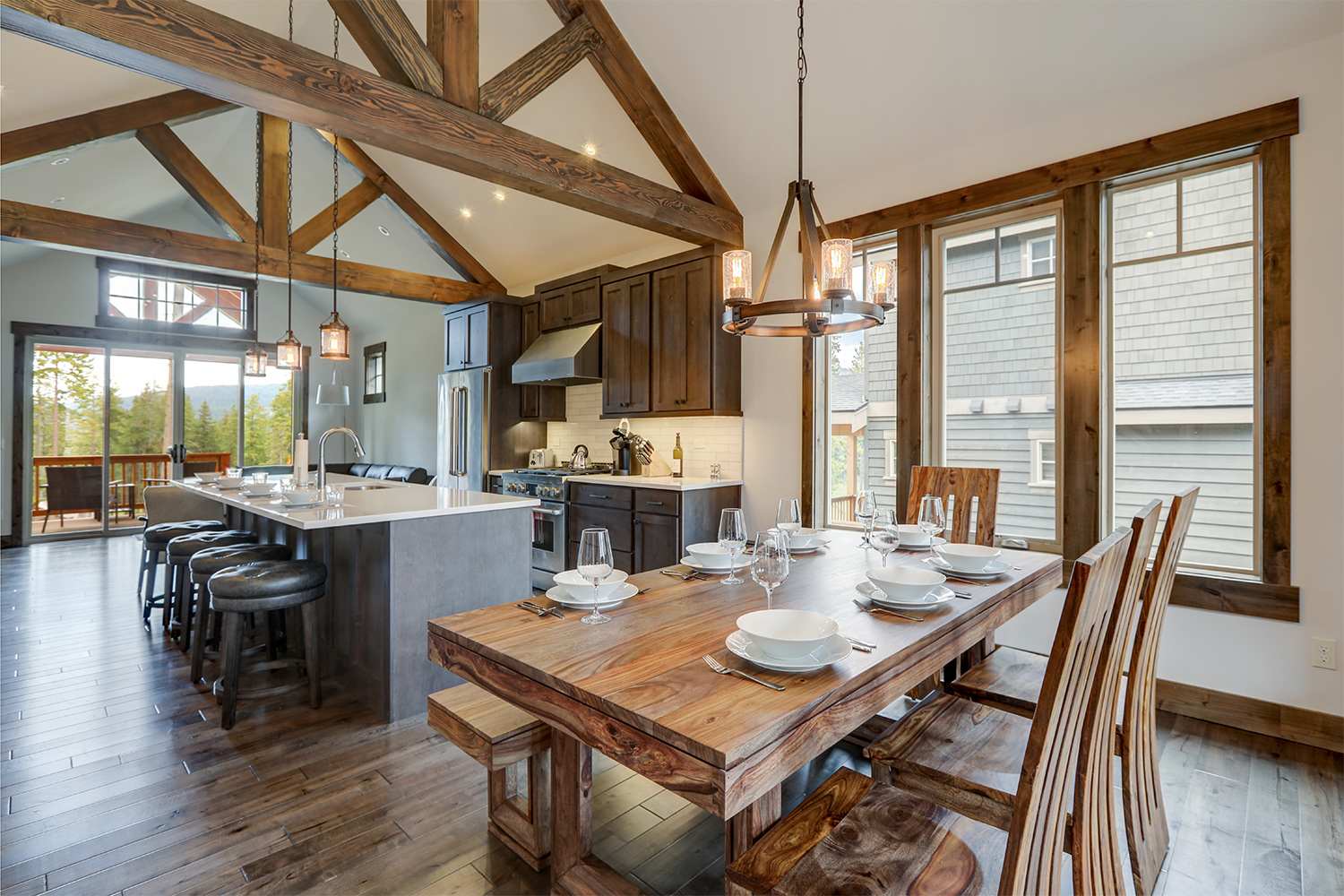
Cathedral ceilings make a statement in your home, but at the cost of your attic space. Normal attics are wide open, which allows warm air to move around and exit your home. Because of this, cathedral ceilings make your home less energy efficient and put your ceiling at risk of venting issues if you’re not careful. They also reduce your attic storage space, potentially cause an echo, and even make it harder to change a light bulb.

All foundations have footers, including monolithic slabs. In some cases, the foundation itself acts as the footer, as in the case of a floating slab and a monolithic slab. With a monolithic slab, the footers—which are just the bottom-most portion of the foundation that distributes loads down to stable soil—are a part of the main slab and are constructed with a single pour.

The Spring Grove, MN homeowners’ guide to structural engineering services

From average costs to expert advice, get all the answers you need to get your job done.

What do you need done? We’ll find top pros.
  • 🌱 "Mow a small front yard"
  • 🛠 "Fix a leaking pipe under the sink"
  • 🏠 "Repair shingles on an asphalt roof"