





Top-rated generator install pros.

Best generator install pros near Montgomery, MN

Enter your zip and get matched with up to 5 pros

Need a pro for your generator install project in Montgomery, MN?

Select your specific project to find the pro for you.

Top-Rated Generator install pros in Montgomery - Updated Nov 2026

Avatar for Engstrom Electrical Contracting, Inc.
Engstrom Electrical Contracting, Inc.
4.8(
5
)
Fixed Generator - Install

Serving Montgomery, MN and surrounding areas

In business since 2003

Free estimates

Emergency services offered

"Very friendly during estimate and very professional. My whole house was rewired and Zach and his team were on time every day, cleaned their mess at the end of their day to near spotless, always friendly and went above and beyond the call of duty 100%. Anyone with ANY electrical needs should call Eric at Engstrom electrical! Very satisfied with the work! Thank you!"
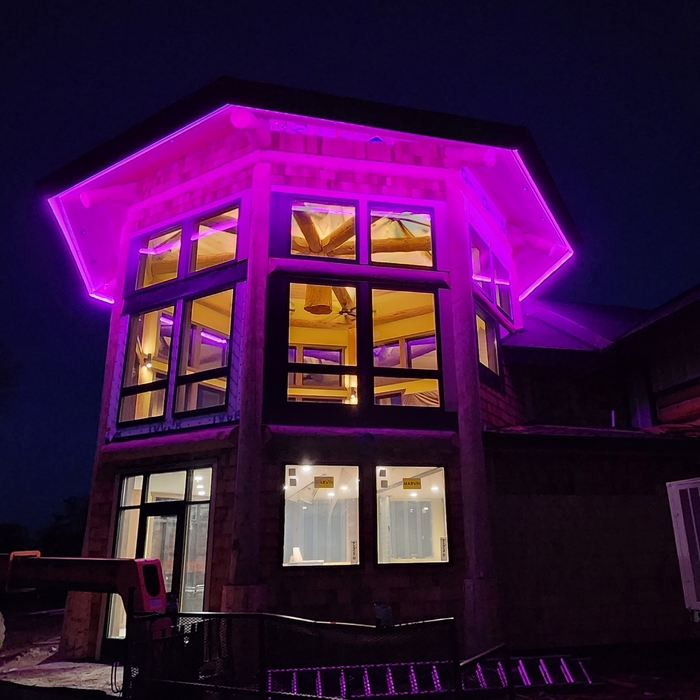
Golf course - club house

+19

Response time5 hrs
Recommended by100%of homeowners
Rentas Electric LLC
New to Angi
Fixed Generator - InstallFixed Generator - RepairGenerator - Install - For Business+1 more

Serving Montgomery, MN and surrounding areas

In business since 2025

We take great pride in our experience, expertise, quality and customer service that we provide to meet every consumer's needs. \nIt is our mission to provide excellent customer service from start to completion of a project. \nTo understand the needs and expectations of our customers, we take great care to work and communicate with every customer in a personal and professional manner. \nOur reputation is based on service, safety and quality, regardless of how large or small the job. \n

Bring The Light Electric, LLC
New to Angi
Fixed Generator - InstallPortable Generator - Install

Serving Montgomery, MN and surrounding areas

In business since 2019

Free estimates

Emergency services offered

Bring The Light Electric is committed to excellence in every aspect of our business. We uphold a standard of integrity bound by fairness, honesty, and personal responsibility. Our distinction is the quality of service we bring to our customers. Accurate knowledge of our trade combined with ability is what makes us true professionals. Above all, we are watchful of our customers' interests, and make their concerns the basis of our business.

Generator Install FAQs, answered by experts

Natural gas generators are designed to run for extended periods of time, such as power outages during a natural disaster. Since there’s no limit to the supply of natural gas, they don’t need to stop for refills. However, generators do need maintenance, including pauses to check and add oil. Constantly running them will also cause a lot more wear and tear, leading to a shorter lifespan.

In many cases, yes. There are models called dual-fuel generators and fuel switches, but only between certain types of fuel. For example, with the right setup you can convert a generator from natural gas to propane. Some allow switching between diesel and gasoline. There are even tri-fuel generators available in some cases, which adds a large layer of security if you are worried about fuel availability in times of crisis. Always check your generator capabilities and manual instructions before trying to switch fuels. Some generators can use another fuel but may need a fuel conversion kit to prep them first.

Yes, in most municipalities, you will need a permit to install a permanent home generator, including emergency backup, partial-home, and whole-home models. Because these installations involve significant alterations to your home's electrical system and produce exhaust fumes, local governments often require a permit or inspection for safety purposes. A generator permit typically costs between $50 and $250, depending on your location. Your electrician or certified installer can usually handle the permitting process for you, but you will be responsible for the cost. It's a good practice to confirm with your installer that they will pull all necessary permits before work begins.

To determine the right size generator for your house, you should calculate the total wattage of the appliances and devices you want to power during an outage. List all essential items, note their start-up wattages, and add them together.

Here are some typical wattage requirements for common appliances:

  • Refrigerator: 600 watts

  • Large dehumidifier: 700 watts

  • Large window air conditioner: 1,400 watts

  • Water heater: 3,000 to 4,500 watts

  • Electric furnace: 5,000 to 25,000 watts

A 7,500-watt generator might be sufficient for essentials like a refrigerator, freezer, well pump, and lighting circuits. However, for high-demand items like a water heater or furnace, a whole-home generator is a better choice. A portable generator may be enough if you only need to power a few critical items.

While home square footage can offer a rough estimate, it is not always a reliable indicator. For reference, here are some typical generator sizes based on square footage:

  • 1,000 sq ft: 6–9 kW

  • 1,500 sq ft: 7–10 kW

  • 2,000 sq ft: 10–14 kW

  • 2,500 sq ft: 12–16 kW

  • 3,000 sq ft: 16–20 kW+

For the most accurate sizing, consult a professional who can calculate your home's peak and average power consumption and recommend the optimal generator.

To power a central air system during a power outage, the whole-house generator will need to be at least 5,000 watts, and this number will significantly increase for larger units. Check the specific wattage requirements of your AC unit to choose the right generator size. Consider consulting a generator installer to ensure your whole-house generator meets your electrical load needs.

The Montgomery, MN homeowners’ guide to generator installs

From average costs to expert advice, get all the answers you need to get your job done.