Dean's Drywall is committed to excellence in every aspect of our business. We uphold a standard of integrity bound by fairness, honesty, and personal responsibility. Our distinction is the quality of service we bring to our customers. Accurate knowledge of our trade combined with ability is what makes us true professionals. Above all, we are watchful of our customers interests, and make their concerns the basis of our business.
Yes, pool pumps use a significant amount of electricity, making them one of the biggest energy consumers in a home. A pool pump can use up to three times as much electricity as a refrigerator. Typically, a residential pool pump consumes about 1 kilowatt-hour (kWh) for every hour it runs. Because pumps often need to run for about eight hours a day to properly filter the water, this can add up to an annual consumption of 3,000 to 5,000 kWh, which can cost between $480 and $800 per year based on average electricity rates.
The amount of electricity your pump uses depends on its size, energy efficiency, and daily run time. To lower your energy consumption, you can choose an energy-efficient or variable-speed pump, ensure it is correctly sized for your pool, and run it only for the minimum time required to keep the water clean.
An easy way to know whether your sand filter has enough sand is to check how full the filter is and what the sand looks and feels like. The filter container should be two-thirds to three-quarters full of sand. Look for interior marks indicating the ideal sand level. If you put your hand into the sand, it should flow through your fingers without clumping. The filter pressure gauge is also an easy indicator—the right amount of sand leads to normal pressure, while too much or too little sand can cause high or low pressure.
It depends on your priorities. Many homeowners enjoy the health benefits of a swim spa. The heated water boasts the benefits of a hot tub, which some people find helps relieve pain, increase circulation, and aid in stress relief. You’ll also be able to use it for exercise like you would a lap pool. It’s a two-in-one product.
A few factors influence the time it takes for a pool to heat up, including the size of your pool, the temperature outside, and how much direct sunlight is hitting the water in the pool. With these factors in mind, it takes 12 to 72 hours to raise the temperature in a pool by 20 degrees Fahrenheit.
While you can run a pool heater all day, it is advised only to run it during the day, as it is more energy efficient. At night, it is better to purchase a solar pool cover to retain the heat within the pool.
Size is the main difference between a pool and a spool. Spools are typically about half the size of an average pool, so they’re ideal for yards without the space for a full-sized pool. Spools are also easier to heat, so they tend to be a higher temperature than pools and can be adjusted to get as hot as a spa when it’s time for a relaxing soak. Spools also contain jets and blowers, while most pools do not.
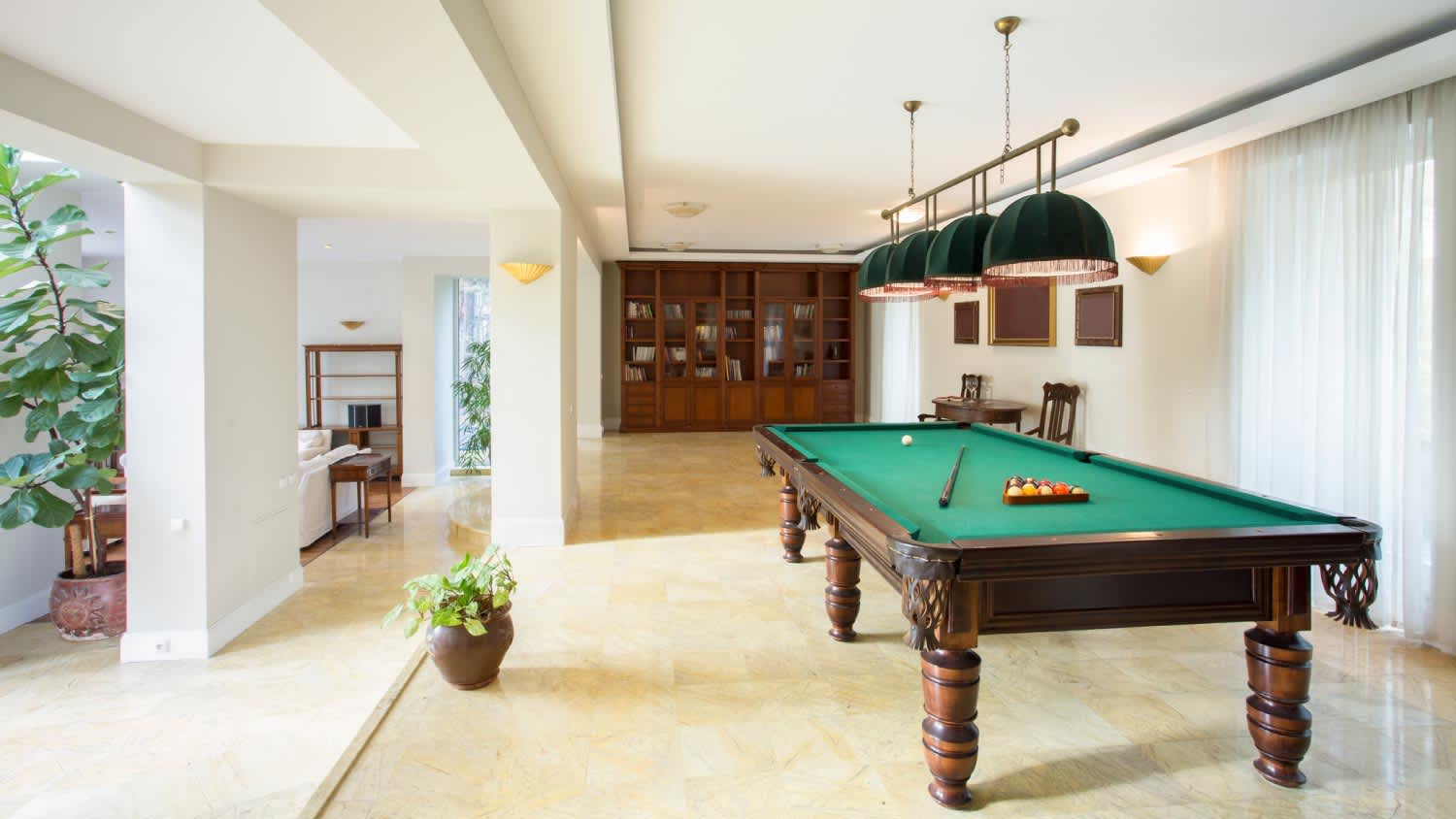
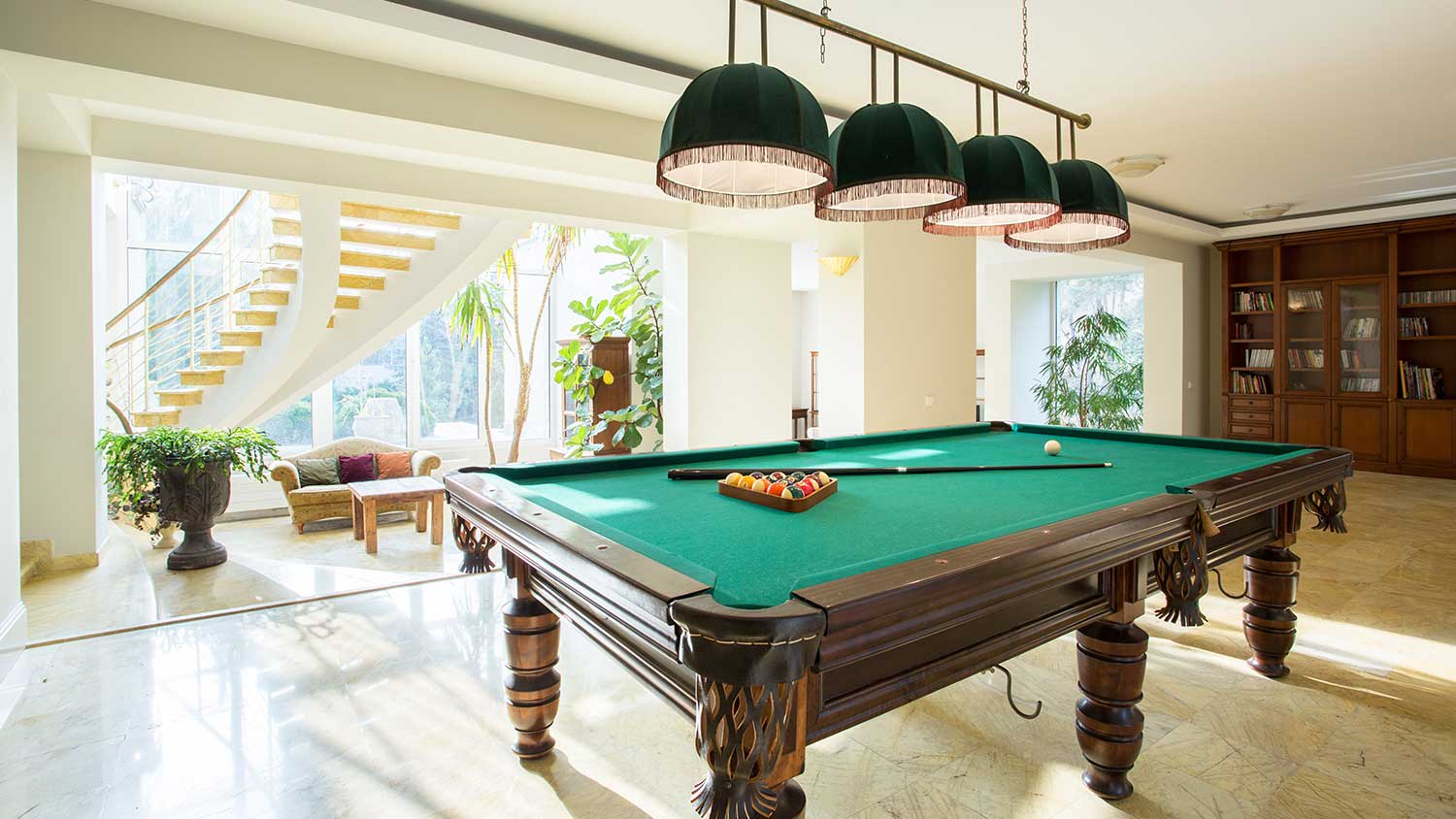
The Karlstad, MN homeowners’ guide to pool table assembly services
From average costs to expert advice, get all the answers you need to get your job done.
Learning how much it costs to refelt a pool table is the first step to getting your game back in top shape. Here's what to know about each type of table.
Pool tables and billiard tables come in a variety of sizes and designs. Read our buying guide to ensure you purchase the right one for your family’s gaming room.
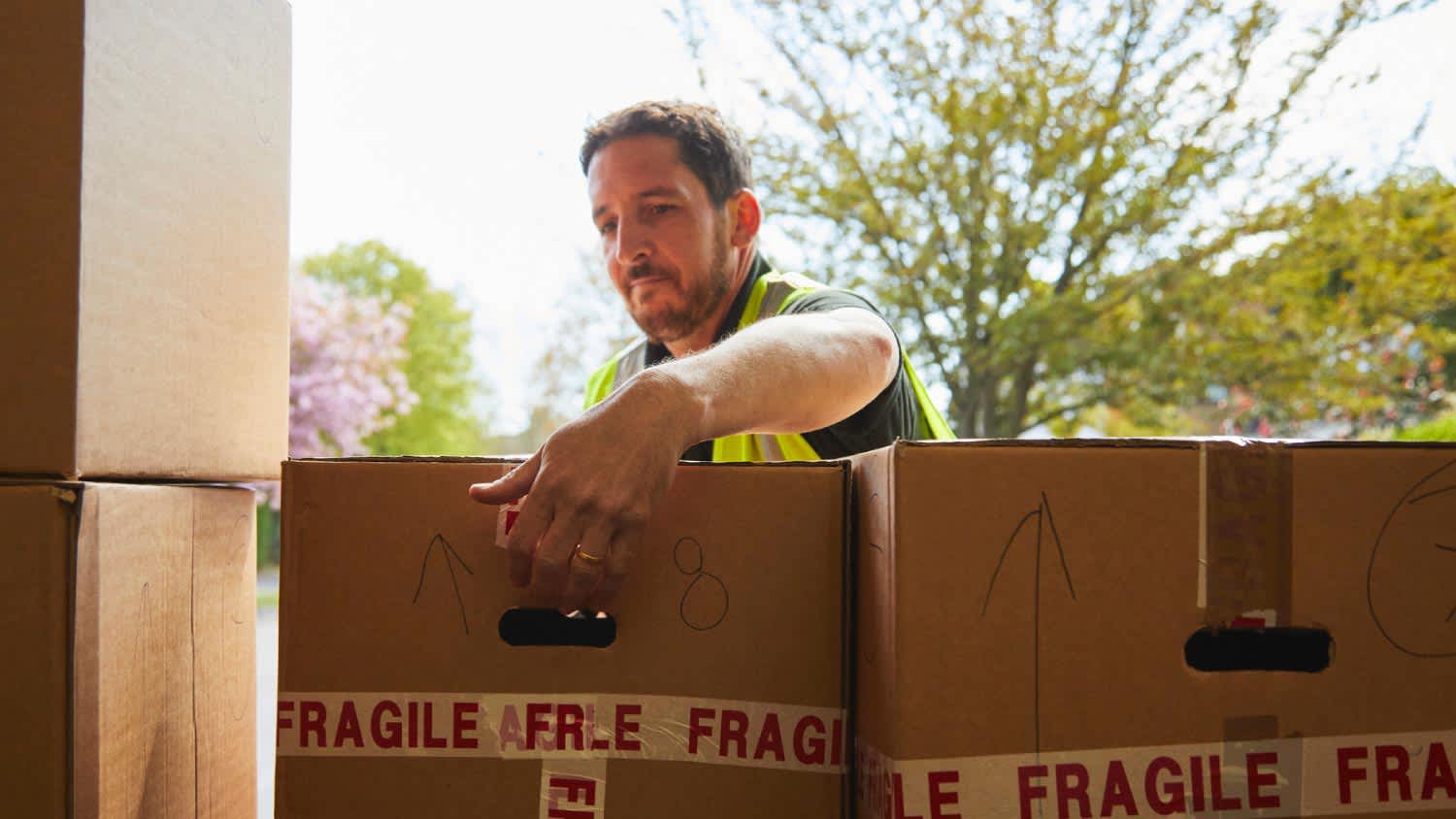
Learn about home items that are nearly impossible to move without movers, either because they are awkwardly shaped, too heavy, or require special equipment.