

Top-rated radon detection and reduction specialists.

Get matched with top radon detection and reduction specialists in Hokah, MN

Enter your zip and get matched with up to 5 pros

Need a pro for your radon detection and reduction project in Hokah, MN?

Select your specific project to find the pro for you.

Find Radon detection and reduction specialists in Hokah

Avatar for American Waterworks
American Waterworks
4.6(
170
)

Serving Hokah, MN and surrounding areas

Approved

In business since 1989

Free estimates

Warranties offered

"This job was completed efficiently and professionally. A design specialist came to test and measure every detail for the project. The crew arrived with everything needed for the job. They worked very hard to install Waterguard in the concrete floors inside around the foundation to the sump pump basket. They also installed Geo-lock anchors to support a block wall that was bowed. This company has 36 years in business and provides excellent results and professional customer relations. Call Amer. Wtrwrks for a free estimate. You will not be disappointed. A wise investment of $11,270."
Another Sinking Floor
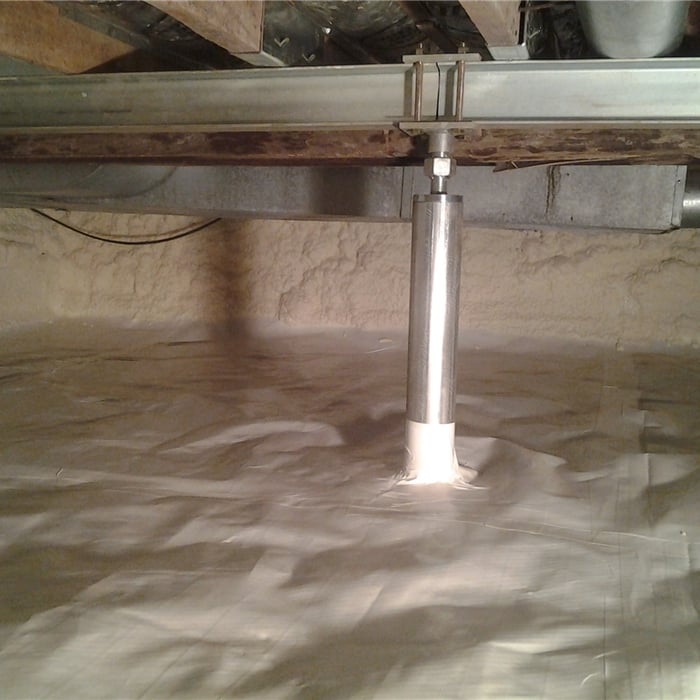
Dirt Crawlspace in Elk Mound, WI
Concrete stoop had sunk over 6 inches
Foundation Failure Signs
Increased Efficiency of Crawlspace in Elk Mound

+156

Response time3 hrs
623 neighbors recently requested a quote
Recommended by92%of homeowners
Radon Detection and Reduction questions, answered by experts

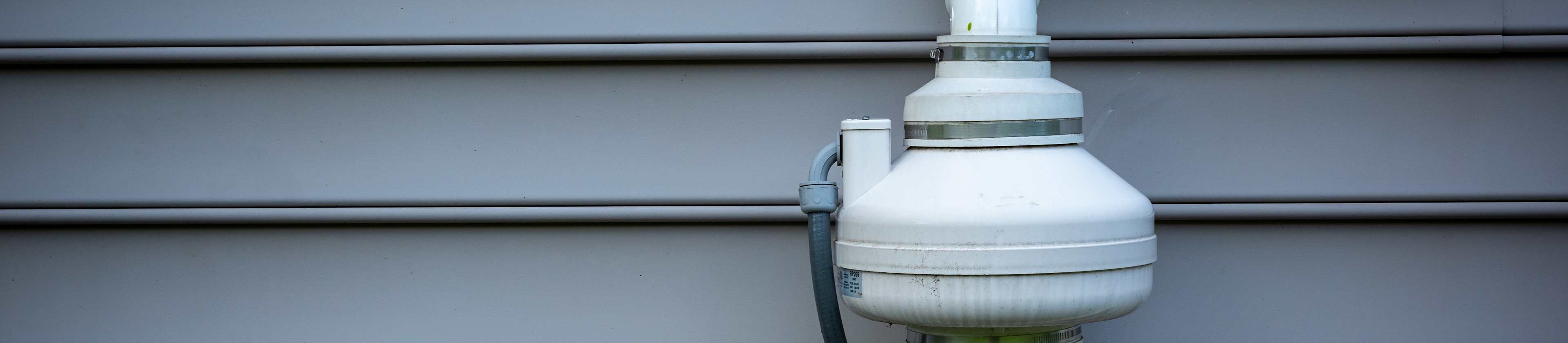
The lifespan of a radon mitigation system depends on the type of system and its maintenance. With proper care, a system can last for many decades. Passive systems tend to last longer as they have fewer components that require replacement. Active systems, which have more moving parts like fans, generally have a shorter lifespan. For instance, water filtration devices and active pressurization systems require more frequent maintenance. While the system as a whole is durable, the radon fan in an active system typically has a lifespan of 5 to 10 years and will need to be replaced. As long as the fan is working, the mitigation system should function correctly.

The average radon mitigation system uses about 876 kWh of electricity per year, although the exact amount of electricity used will vary depending on the size of the radon fan. Once the system is installed, the annual increase to your energy bill could range from $30 to $300 per year, again depending on the size of the fan.

No, radon mitigation systems do not decrease home value or make a home harder to sell. In areas where homes experience similar radon exposure risks, a radon mitigation system is viewed as an improvement. Potential homebuyers often opt to buy a home with a radon mitigation system already installed to reduce the risk of cancer for their families.

The cost for a radon mitigation system typically ranges from $800 to $1,500, with an average around $1,000. The final price depends on several factors, including the size of your home, the severity of the radon issue, and the type of system required. Your home's foundation type also significantly impacts the cost. For example, sealing and ventilating an unfinished basement might cost around $4,600, while encapsulating a crawl space without a foundation slab can range from $1,500 to $15,000.

Ideally, no one will live in a house with elevated radon levels, as prolonged exposure increases the risk of serious health issues like lung cancer. However, homes with radon can be made safe through mitigation systems, such as active soil depressurization. Testing for radon regularly and addressing high levels helps ensure a safe living environment.

The Hokah, MN homeowners’ guide to radon detection and reduction services

From average costs to expert advice, get all the answers you need to get your job done.