


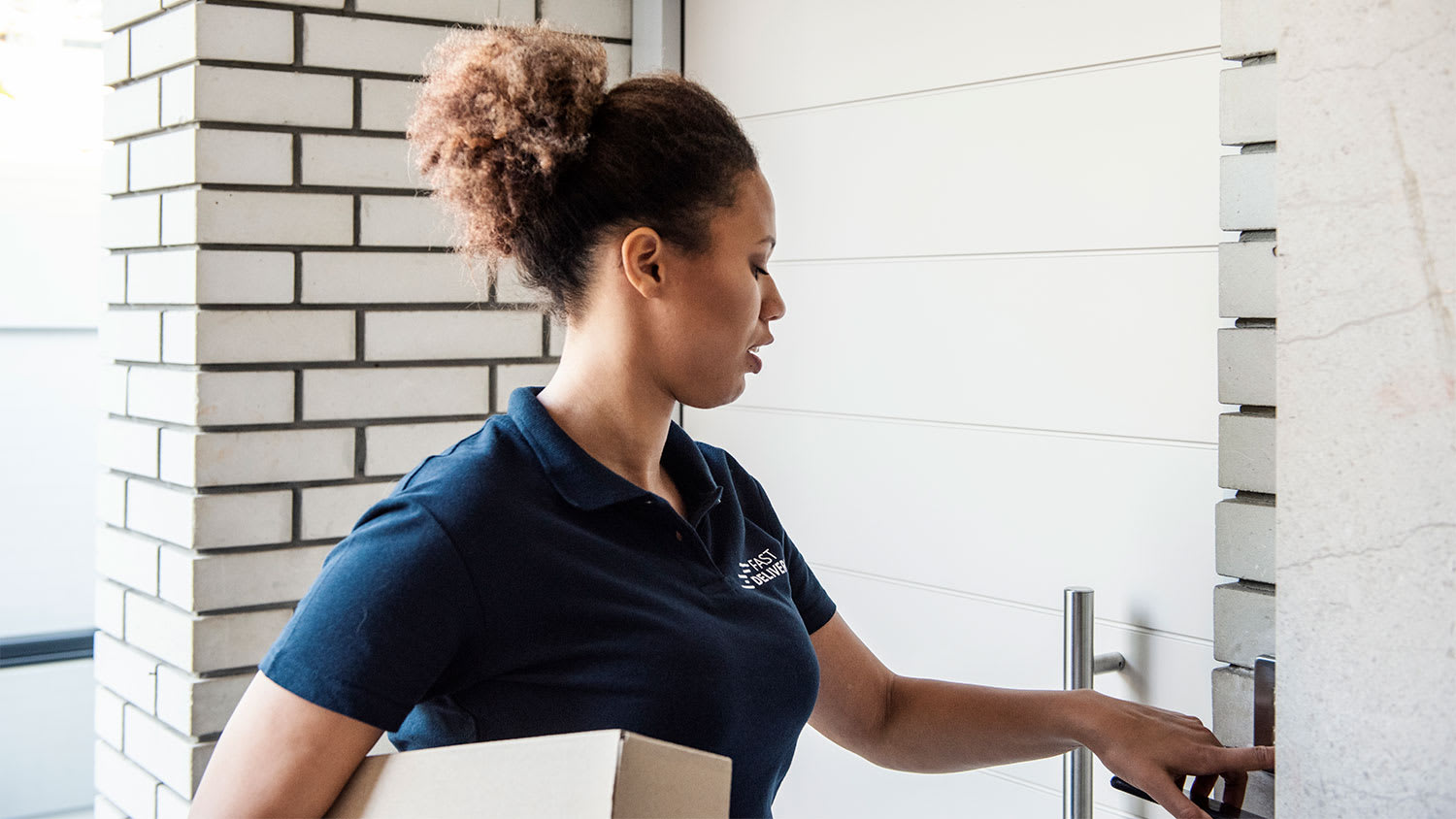
Top-rated doorbell installation pros.

Best doorbell installation pros near Herman, MN

Enter your zip and get matched with up to 5 pros

Need a pro for your doorbell installation project in Herman, MN?

Select your specific project to find the pro for you.

Top-Rated Doorbell installation pros in Herman - Updated Nov 2026

No results for Doorbell installation pro in

Try adjusting your search criteria.
Doorbell Installation FAQs, answered by experts

On average, insulating an attic costs about $2,500, with a typical range of $1,500 to $3,500. The final price often depends on the attic's size, with costs generally falling between $1 to $3 per square foot. For example, insulating a 1,800-square-foot attic would likely cost between $1,800 and $5,400.

If the project involves removing old insulation, this can add an average of $900 to the total cost, bringing a full removal and reinsulation project to around $3,000.

Several factors influence the overall cost:

  • Insulation Type: Prices per square foot vary significantly by material.

  • Reflective: $0.50–$1.50

  • Blown-in: $1–$4

  • Batt: $2–$4

  • Loose-fill: $2–$5

  • Spray foam: $2–$5

  • Structural insulated panels (SIPs): $4–$7

  • Project Complexity: Factors like sealing air leaks, poor attic accessibility, and required inspections can add to the cost.

  • Removal Issues: The discovery of mold, asbestos, or pests during the removal of old insulation can substantially increase the price.

While insulation is required for all exterior walls in a house, it is not typically required for interior walls. Local and state building codes mandate that new construction homes have adequate insulation in exterior walls and ceilings to suit the local climate.

However, there are several benefits to adding insulation to interior walls. It is excellent for sound-dampening between rooms and can help with temperature control by maintaining a regulated temperature in specific rooms and lowering heat transfer between adjacent areas. Insulating interior walls can also contribute to the overall energy efficiency of your home.

The life span of fiberglass insulation can be as long as 80 to 100 years, but because of changing building codes, it’s best to get your insulation checked every 10 to 15 years. Signs of degrading fiberglass insulation include bits of batts on the floor or batts detached from frames. Having optimal, healthy insulation in your home will improve its energy efficiency, lowering your monthly bills.

Monolithic slabs don’t require insulation, but many homeowners choose to have their contractors install insulation under the slab during construction. This can help improve home efficiency even more and keep indoor temperatures more stable. Slab foundations are more energy-efficient than uninsulated crawl spaces and basements, and insulated slab foundations are more energy-efficient than insulated crawl spaces and basements.

Rockwool insulation can last up to 100 years, but just how long this insulation lasts in your home depends on how well it's maintained. Poorly installed insulation may last only 30 years, so be sure to regularly inspect your home's insulation for water damage, settling, and pests to give your insulation the best chance of having a long lifespan.

The Herman, MN homeowners’ guide to doorbell installation services

From average costs to expert advice, get all the answers you need to get your job done.