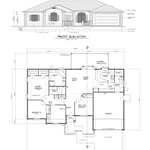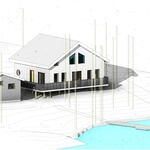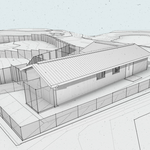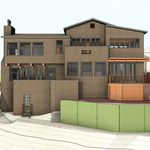
"I am a general contractor who has worked with Michael Kloti Inc. on several projects since 2008. My clients and myself always enjoy Mikes knowledge and creativity. His designs can be small, simple and functional to grand, elaborate and visually stunning. I look no further when in need of design help. I strongly recommend Michael Kloti Inc."
"My experience with them was outstanding, the details were excellent, they turned around the project in a short amount of time, I have nothing but a graceful experience, one of the best experience I ever had."
"I hired them to create plans for an apartment building. The process was quick and painless. Cost was good. The plans are full complete abd ready to take to builders for quotes. I will definitly use them again."
"His work is exceptional, we were so happy with him we had a 2nd house designed by him. He is a great listener, and understands the design process, we have been very happy with his work."
We have the experience and we are committed to providing quality workmanship and superior customer service on all our applications. We at Architectural Design Group strive to maintain our reputation as a high quality, very service oriented company with our main focus being customer satisfaction.
Structural Engineering questions, answered by experts
According to the Earthquake Country Alliance—a public and private alliance in California that works to improve earthquake and tsunami readiness—reports that unreinforced masonry, such as stone, bricks, and hollow clay tiles, is more susceptible to earthquake damage. The mortar between bricks isn’t as stable as other building materials and methods.
The average cost to hire a structural engineer is about $550, with prices generally ranging from $200 to $1,500. Structural engineers may charge a flat rate, by the project, by square footage, or an hourly rate, which is typically between $100 and $250. Many jobs, such as inspections and structural calculations, are billed at a flat rate, which often falls between $300 and $800. The final cost depends on several factors, including the project's type, scope, size, complexity, ease of access for inspection, and your geographic location.
Through detailed analysis of load paths, materials, and existing damages.
A freestanding brick wall that's only one brick thick can usually stand six to eight feet high. If you need a higher wall, it should be at least two bricks thick for adequate stability, and it might require a footing to support the added weight. Additionally, some areas have regulations and codes dictating how high a brick wall can be, so check with local code enforcers to ensure your proposed wall complies with any regulations.
The primary reason homes have crawl spaces is so the foundation can reach down below the frost line to avoid dangerous soil movement and structural damage when the ground freezes. They’re more popular in colder climates where the ground freezes down to a few feet, and slabs are most popular in warmer areas where there is no frost line. Crawl spaces also provide a space for utility lines to run where they’re at less of a risk of freezing.
The Golden Valley, MN homeowners’ guide to structural engineering services
From average costs to expert advice, get all the answers you need to get your job done.
The cost of a structural engineer is easily justifiable given the value they bring to the table. Use this guide to see what hiring your professional will total in Minneapolis, MN.
Find out how much an architect costs in Minneapolis, MN. Learn what you can expect to pay for local architectural design services and start your project today.
The cost of a structural engineer is easily justifiable given the value they bring to the table. Use this guide to see what hiring your professional will total.
It can be hard to choose the right pro for any job, but it matters. Learn how to hire a structural engineer who'll get the job done right from start to finish.