"Scott was professional, very capable, and completed the job in a timely manner to our satisfaction! We are very pleased with his work! I will call upon Scott at Brimson Electric for future electrical service! Thanks so much!"
At All Service Professionals,\n\nwe understand that homeownership can sometimes throw unexpected curveballs. Whether it's a clogged drain, a dip in temperature, or a flickering light, these inconveniences don't have to last.\n\nAs your trusted home service professionals, we're here to bring peace of mind and restore your home's comfort quickly and efficiently. \n\nDon't hesitate to call!\n\nWe're here to bring peace of mind and restore your home's comfort.
"The quality of the work was awesome. Very qualified and did a very neat job. Would hire them again. The only problem was them getting back to you when you called for service. The installers were very friendly and did a great job!!! Had to call a couple times to remind to come out and start/complete the project. Otherwise, great customer service."
Nelson-Collie Electric, Inc., is the trusted name for your electrical needs servicing the area for over 50 years! We offer electrical service, wiring and panel upgrades. Whether you have a small project that must get done quickly or a bigger project call us today to see why we come so highly recommended!
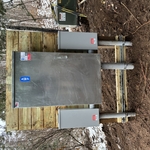
It might seem counterintuitive, but installing a generator transfer switch will save you money in the long run. While you’ll have to pay between $400 and $2,500 to have the transfer switch installed, you’ll recoup that amount later on when you don’t have to pay for expensive repairs to your appliances, devices, and electrical system that may have burned out, overloaded, or stopped working due to a sudden loss of power or an incorrect hook up of a generator to your home.
Setting up utilities on a vacant property usually takes at least a few months, or between 6 weeks to 16 weeks. This process requires working with the local planning and zoning department, hiring a building contractor or engineer to design the utility layout, securing permits, laying the lines, and connecting the utilities.
Here’s what you can run with different wattages and types of generators:
Portable generator:
2,000 watts can handle a large appliance like a freezer or refrigerator, plus a few smaller items like phones or computer chargers.
4,000 watts will keep two large appliances operating and a few smaller devices.
8,000 watts should power most essential appliances and other devices, including a sump pump, well pump, or your dishwasher.
Partial to whole-house generator:
20,000 watts and above will make it seem like your home’s power is still on.
Carbon monoxide emissions aren’t only dangerous to human life, but they also harm our planet. While natural gas generators emit lower levels of CO than other fuel sources, there are still ways to reduce emission levels. For example, shop around for an eco-friendly generator that complies with current emission standards. Also, make sure your generator is serviced regularly to avoid CO buildup.
If your home already has a grinder pump and you’re still noticing issues (like frequently clogged toilets and sinks), it could be time to upgrade your grinder pump. Start by checking your existing horsepower. If there are four or fewer people living in your home, using a 1/2-horsepower grinder pump should be sufficient. Larger households should consider investing in a 1-horsepower grinder pump to maximize wastewater removal efforts.
The Eveleth, MN homeowners’ guide to generator installs
From average costs to expert advice, get all the answers you need to get your job done.
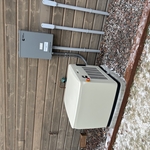
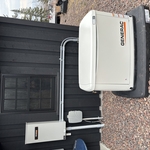
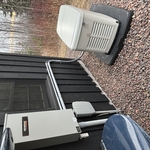
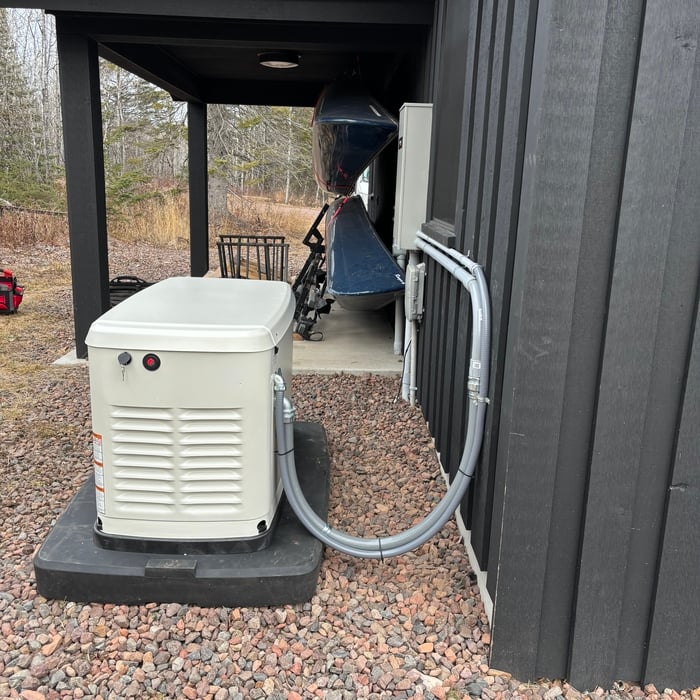
Natural gas generators are whole-home standby generators that are connected to your home’s natural gas line. The average cost for a natural gas generator is $12,000.
Generators should give you peace of mind, but you’ll only get that if your installer knows what they’re doing. Learn how to hire a pro and what red flags to look for.
Thinking about a generator installation? Learn about backup power options, costs to expect, and how to hire the right local pro to keep your home running.