





Top-rated weed maintenance pros.

Get matched with top weed maintenance pros in Buffalo, MN

Enter your zip and get matched with up to 5 pros

Need a pro for your weed maintenance project in Buffalo, MN?

Select your specific project to find the pro for you.

TRUSTED BY BUFFALO, MN HOMEOWNERS

  • Average homeowner rating star icon4.6
    Average homeowner rating
  • Verified reviews icon146
    Verified weed maintenance services reviews

Find Weed maintenance pros in Buffalo

No results for Weed maintenance pro in

Try adjusting your search criteria.
Weed Services questions, answered by experts

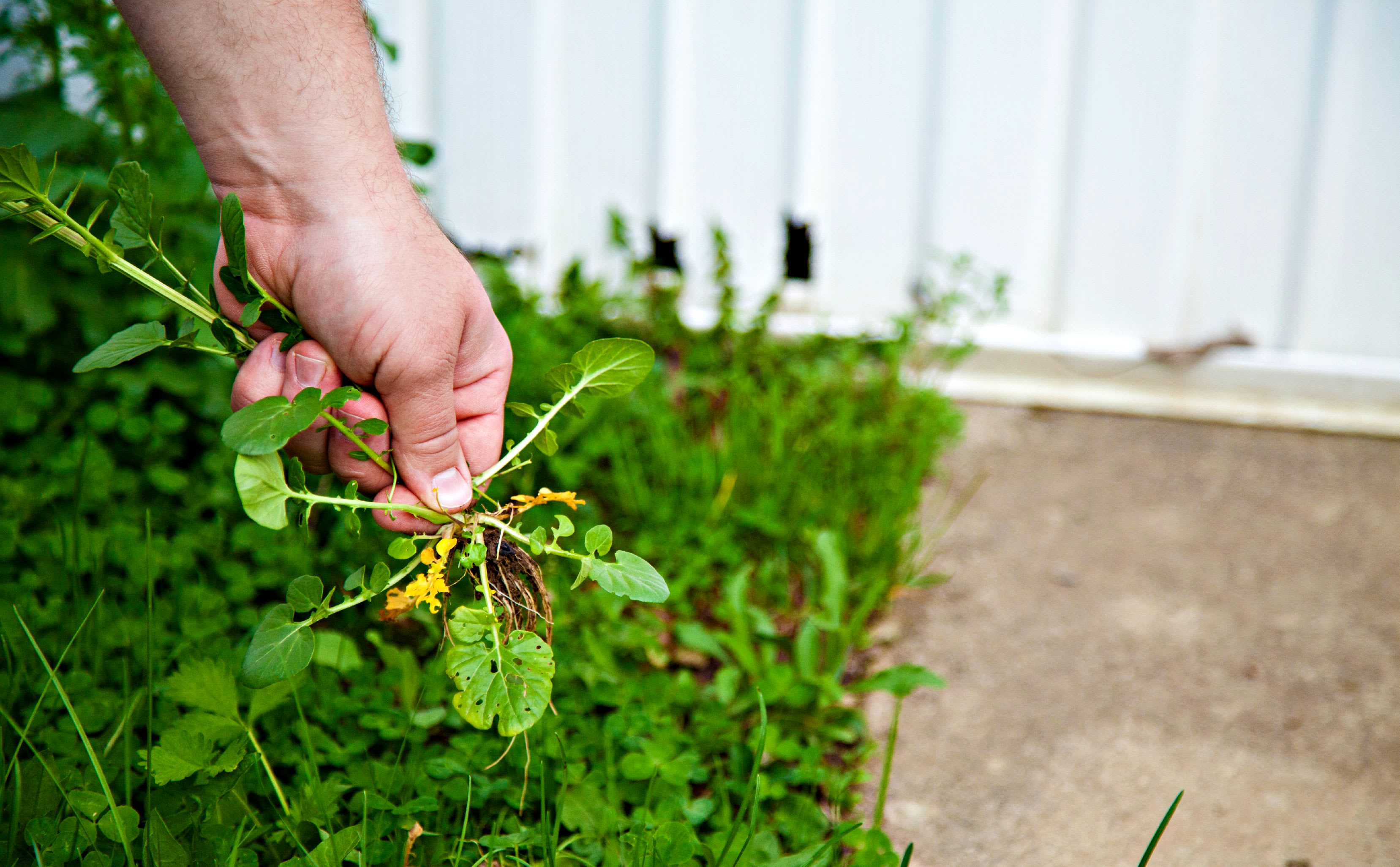
The fastest ways to kill weeds and unwanted grass include burning them, pouring boiling water on them, or pulling them out by hand, as these methods work almost instantaneously. For a quick-acting solution that works within a few hours, you can use a commercial-grade herbicide like glyphosate or a DIY vinegar, salt, and dish soap mixture. While effective, be aware that commercial herbicides introduce chemicals into your lawn. The slowest method for killing weeds is to starve them of sunlight and nutrients using mulch or fabric covers.

Several tools exist that can help remove unwanted grass. The one you choose depends greatly on how much you need to remove and how hard you'd like to work. A sod or turf cutter is the fastest method while using a shovel is labor-intensive and much slower. You may also need a garden rake, tiller, and wheelbarrow. 

Mowing your grass regularly, especially if you’re mowing close to the ground, can help kill Johnsongrass. Frequent mowing helps limit the spread of Johnsongrass and can even deplete carbohydrate reserves in rhizomes over time. The more time you leave in between mowing, the more likely Johnsongrass is to regrow and take over your lawn. 

You should add 1 to 4 inches of mulch, depending on your garden type and needs. Keep in mind that no amount of mulch can completely prevent weeds, but a heavier coverage (closer to 4 inches) can suppress weeds enough that you are only seeing them sprout every few weeks. Finer mulch prevents weeds more effectively than large mulch, so if you’re using mulched leaves or shredded bark, 1 to 2 inches will likely suffice, while 3 to 4 inches is best for larger mulch, like bark chips or straw.

Glyphosate and other non-selective herbicides can kill orchard grass, but they will also kill the surrounding plants. Also, not all areas allow the use of glyphosate due to its environmental impact—which the EPA describes as a "potential risk to terrestrial and aquatic plants and birds, and low toxicity to honeybees." Consider mechanical removal to target the plants specifically.

The Buffalo, MN homeowners’ guide to weed maintenance services

From average costs to expert advice, get all the answers you need to get your job done.