


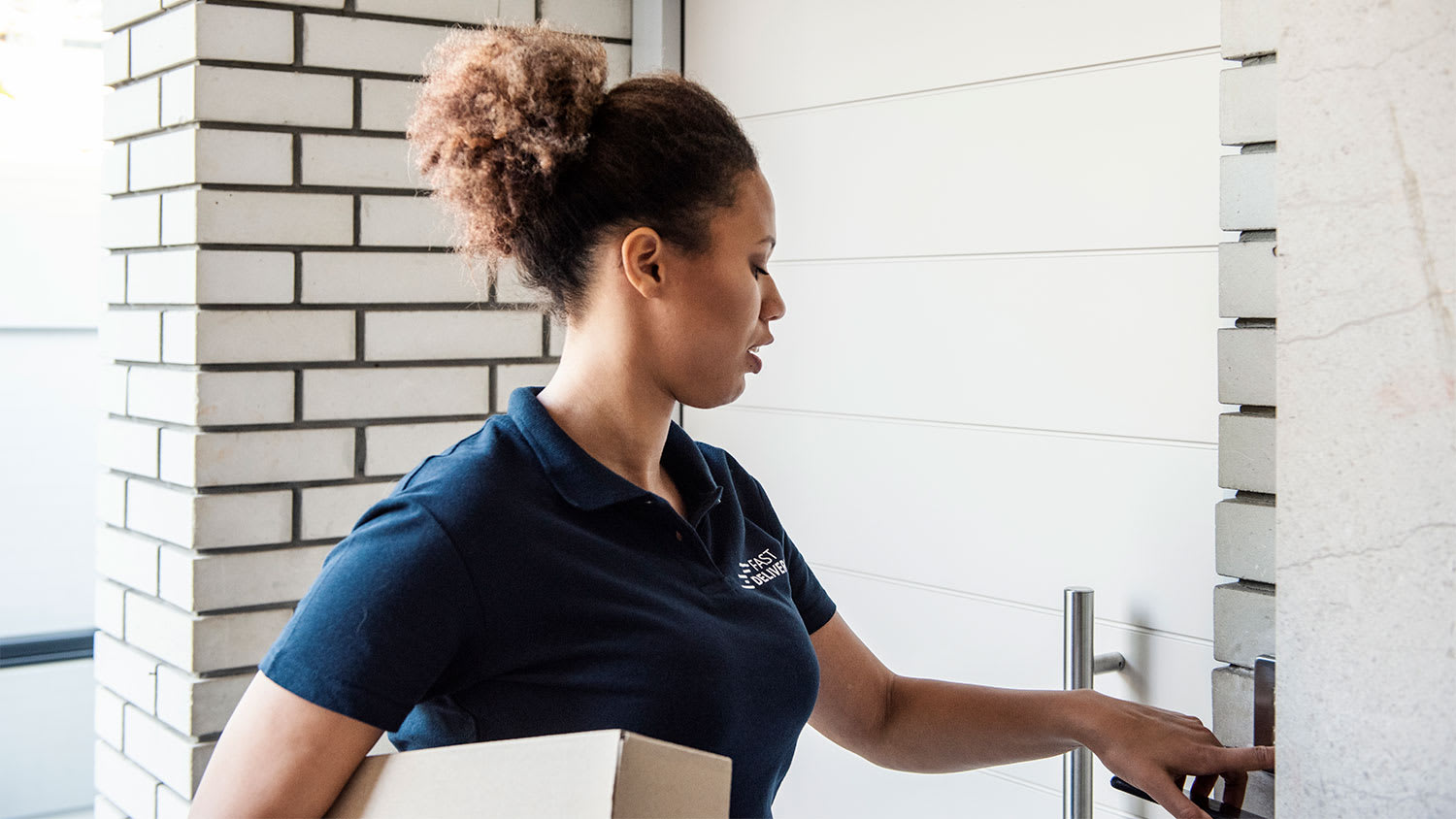
Top-rated doorbell installation pros.

Get matched with top doorbell installation pros in Akeley, MN

Enter your zip and get matched with up to 5 pros

Need a pro for your doorbell installation project in Akeley, MN?

Select your specific project to find the pro for you.

TRUSTED BY AKELEY, MN HOMEOWNERS

  • Average homeowner rating star icon4.5
    Average homeowner rating
  • Verified reviews icon38
    Verified doorbell installation services reviews

Find Doorbell installation pros in Akeley

No results for Doorbell installation pro in

Try adjusting your search criteria.
Doorbell Installation questions, answered by experts

Yes, insulating ductwork in a crawl space is a worthwhile investment, especially if you live in a colder climate or run your air conditioning for most of the year. Uninsulated ducts can lose up to 30% of their heating and cooling efficiency, which can significantly impact your electricity bill. The project is a relatively small investment and typically only takes a few hours. It's a particularly simple add-on if you are already hiring someone to insulate the entire crawl space. An added benefit is that insulated ducts put off less hot or cold air, making them less attractive to pests.

While insulation is required for all exterior walls in a house, it is not typically required for interior walls. Local and state building codes mandate that new construction homes have adequate insulation in exterior walls and ceilings to suit the local climate.

However, there are several benefits to adding insulation to interior walls. It is excellent for sound-dampening between rooms and can help with temperature control by maintaining a regulated temperature in specific rooms and lowering heat transfer between adjacent areas. Insulating interior walls can also contribute to the overall energy efficiency of your home.

Cellular shades, also known as honeycomb shades, are the most energy-efficient and insulating window treatments. Their honeycomb structure is made of soft fabric that forms layered cell pockets. These pockets trap air, creating a thermal barrier that reduces heat loss in the winter and blocks heat gain in the summer. For even greater insulation, consider double- or triple-cell varieties. Side-tracked cellular shades, which seal the edges of the window frame, can further minimize air leaks and maximize energy efficiency.

A radiant barrier is a form of insulation topped with a reflective material designed to keep homes cool during hotter months. It is generally considered worth the investment if you live in a hot, sunny climate, as the cost can be recouped over time through lower energy bills. Installation costs typically range from $0.10 to $1 per square foot. After installation, homeowners in warm climates may save between $7 and $15 per month, potentially reducing their electric bill by 5% to 10%. The exact savings will vary depending on your location and the type of barrier chosen.

Unfaced wall insulation is easier to cut and install, making it the better choice for a DIY project. It’s also more affordable. But if it’s unfaced, you’ll likely need to add a vapor barrier to reach your desired R-value and efficiency, as it doesn’t offer any moisture barrier.

Faced insulation uses paper or foil to create a built-in barrier and doesn’t require an extra step. It’s also more fire-resistant and safe. But it’s quite a bit more expensive and a little bit harder to work with as a DIYer.

The Akeley, MN homeowners’ guide to doorbell installation services

From average costs to expert advice, get all the answers you need to get your job done.