






Doorbell Installation questions, answered by experts
The primary reason that insulation saves you money over time is that it reduces your energy bills by making your home more energy efficient. A crucial part of an insulation system is a properly installed vapor barrier. Local building codes dictate whether your insulation requires a vapor barrier based on the type installed. While some high-quality wool insulation may not technically need a vapor barrier, most municipalities still require one to meet code.
On average, insulating an attic costs about $2,500, with a typical range of $1,500 to $3,500. The final price often depends on the attic's size, with costs generally falling between $1 to $3 per square foot. For example, insulating a 1,800-square-foot attic would likely cost between $1,800 and $5,400.
If the project involves removing old insulation, this can add an average of $900 to the total cost, bringing a full removal and reinsulation project to around $3,000.
Several factors influence the overall cost:
Insulation Type: Prices per square foot vary significantly by material.
Reflective: $0.50–$1.50
Blown-in: $1–$4
Batt: $2–$4
Loose-fill: $2–$5
Spray foam: $2–$5
Structural insulated panels (SIPs): $4–$7
Project Complexity: Factors like sealing air leaks, poor attic accessibility, and required inspections can add to the cost.
Removal Issues: The discovery of mold, asbestos, or pests during the removal of old insulation can substantially increase the price.
Insulating windows without plastic is usually the better method. Outside of simply replacing your windows, you could buy cellular shades, which trap air between the window and the home, add a window film that blocks UV rays and traps heat, or cover your windows with a low-emissivity coating called “low-E.”
The life span of insulation is between 20 and 100 years. At that time, existing insulation can fall victim to gravity, resulting in compression, which reduces its insulating protection or R-value. If you can't simply add more insulation over the existing material, removing the old to increase the effectiveness of the new can reduce your energy bills and make the project worth the time and money investment.
Installing sheets of plywood over attic insulation is a popular choice, especially in storage spaces. That said, insulation works by trapping hot air—so it needs extra space to expand and be effective, or you might reduce the energy efficiency of your home.
It’s important that you never compress the insulation by installing flooring directly on top of it. In many houses, you’ll need to install a subfloor before putting plywood over insulation in your attic.
The Wadena, MN homeowners’ guide to doorbell installation services
From average costs to expert advice, get all the answers you need to get your job done.
Ring a bell? From replacing a wired doorbell to setting up a smart home system, learn about typical doorbell installation costs, including materials and labor.
How much does it cost to install a doorbell camera? It depends on whether you plan to DIY or hire a pro. Learn about different models and their power sources, too.
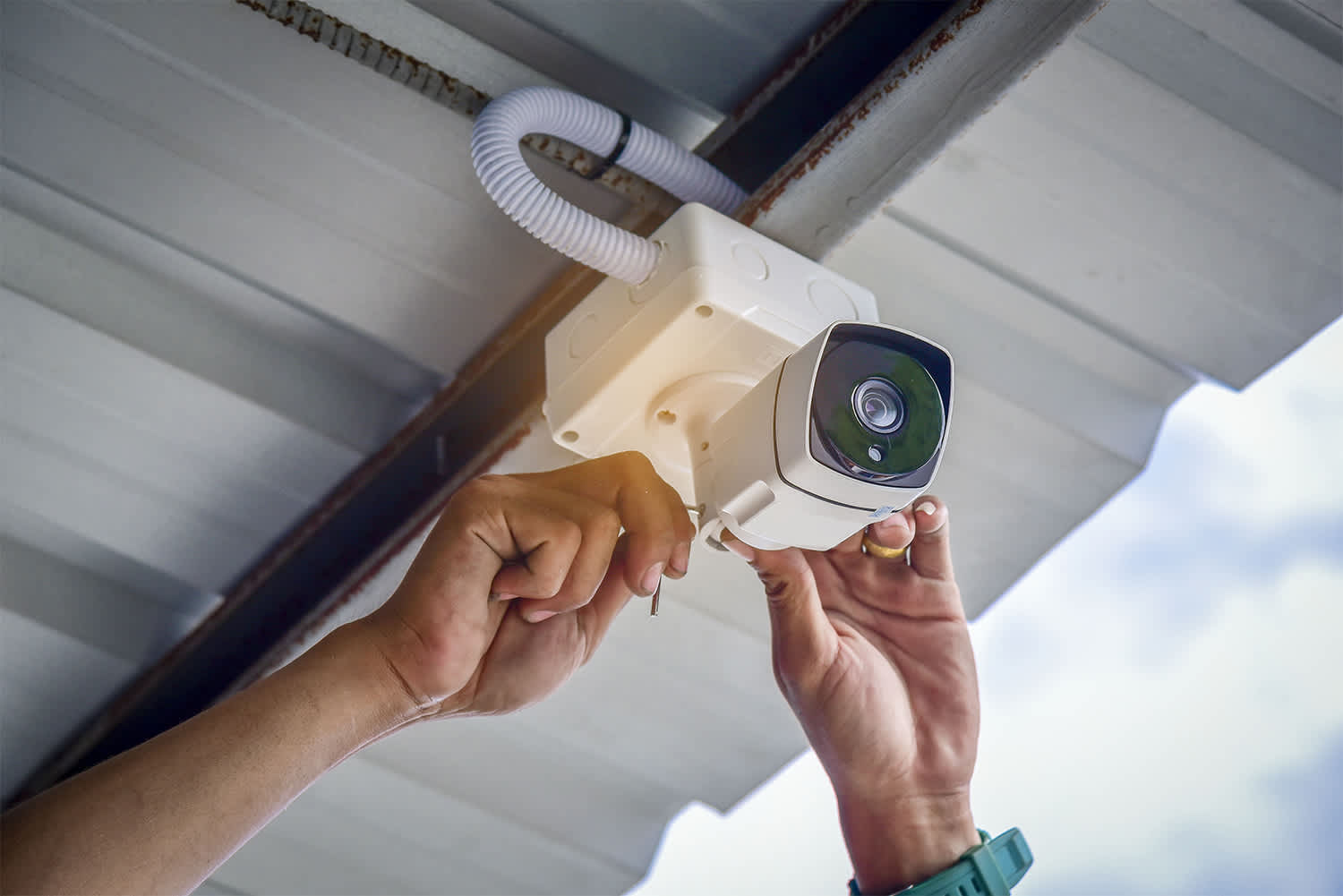
Doorbell wiring is a project you can DIY. This guide covers everything you need to know, from different types of doorbells to wiring, and how to remove an old doorbell.
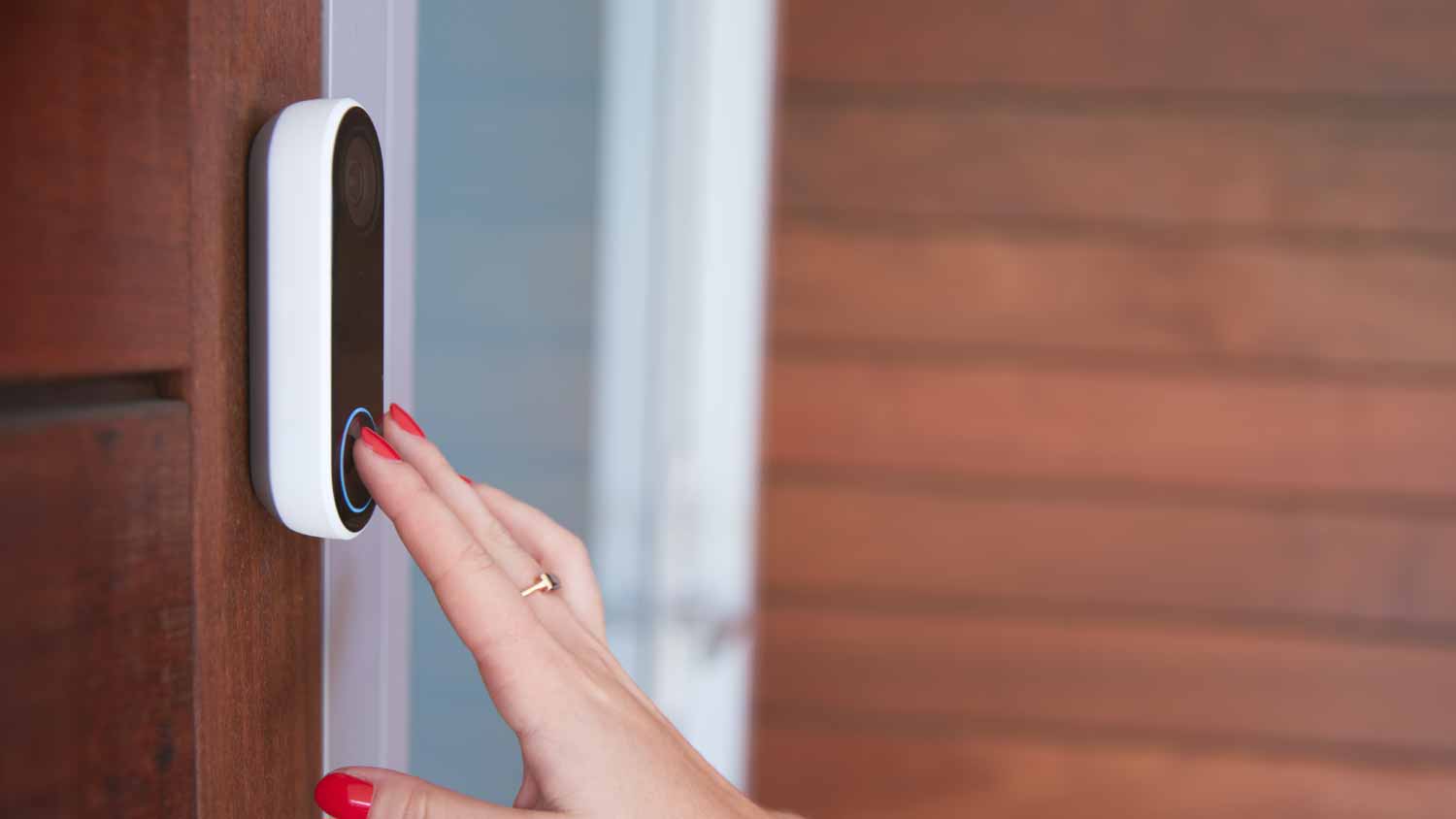
Learn how to install a doorbell camera—whether it’s wired or wireless—with this guide. Know the steps so you can decide whether to DIY the job or hire a pro.