





Top-rated excavation pros.

Get matched with top excavation pros in Springport, MI

Enter your zip and get matched with up to 5 pros

Need a pro for your excavation project in Springport, MI?

Select your specific project to find the pro for you.

TRUSTED BY SPRINGPORT, MI HOMEOWNERS

  • Average homeowner rating star icon4.8
    Average homeowner rating
  • Verified reviews icon10
    Verified excavation services reviews

Find Excavation pros in Springport

Avatar for Murphy Landworks
Murphy Landworks
5.0(
4
)

Serving Springport, MI and surrounding areas

Approved

Free estimates

Small jobs welcome

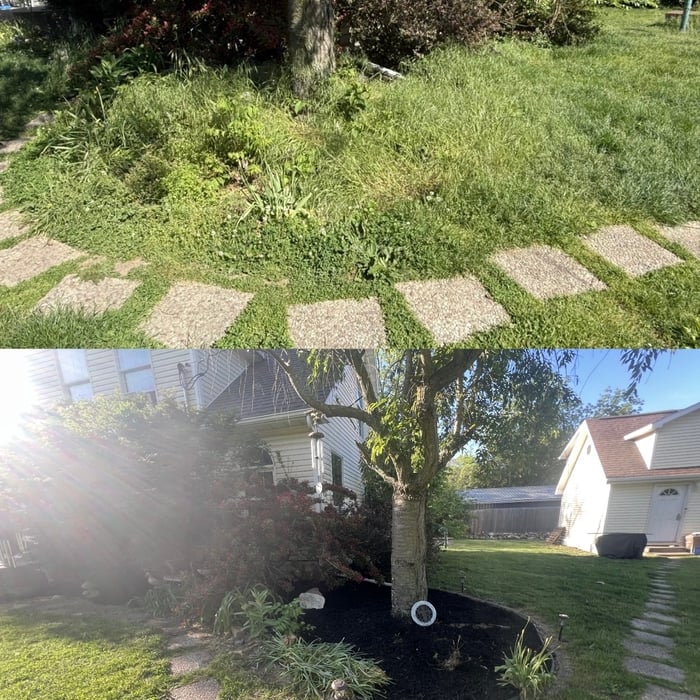
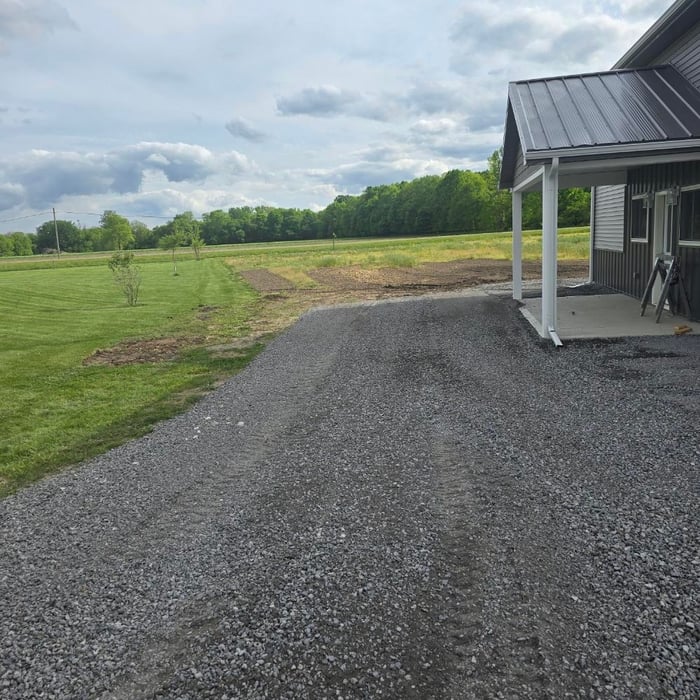
My name is Carter Murphy, and I am the proud owner and main operator of Murphy Landworks. At 17 years old, I started this business\nwith a strong work ethic, a passion for the outdoors, and a commitment to providing dependable, high-quality services to my community.\nFrom a young age, I have always had the drive to work hard and take pride in every job I complete, which is the foundation Murphy\nLandworks was built on.\n\nMurphy Landworks offers a wide variety of outdoor services designed to help keep your property looking its best year-round. Whether\nit’s property maintenance, land cleanup, or other outdoor projects, my goal is to deliver results that customers can truly be proud of. Every\nproject is completed with careful attention to detail, efficiency, and a focus on doing the job right the first time.\n\nAs a small and growing business, I believe that trust, reliability, and strong communication are just as important as the quality of the work\nitself. I take pride in building lasting rel

Landclearing
Avatar for Clog-Busters Sewer & Drain Services LLC
Clog-Busters Sewer & Drain Services LLC
5.0(
26
)

Serving Springport, MI and surrounding areas

In business since 1999

Credit card accepted

"We had some sewage back up into our basement sink on a Saturday morning. I called Clog Busters based on their Angie’s List reviews. They didn’t have a crew available on the weekend, but were available on the following Monday. The crew did a great job explaining the problem and finding a solution for me. Great customer service and they earned their money working in some frigid and snowy weather. I hope to never have another sewer backup, but if I do, I will call Clog Busters."
Recommended by92%of homeowners
...
Showing 1-10 of 65
Excavating questions, answered by experts

Sewer lines can be buried anywhere from 18 inches to 8 feet deep, with a common average depth between 18 and 30 inches. The exact depth depends on local factors like climate and soil type. In colder regions, pipes must be buried deeper (below the frost line) to prevent freezing, sometimes as deep as 8 feet. The digging depth can also impact the cost of sewer line replacement. To find the specific depth for your property, you can check the building plans for your system, which should be on file with your city or local sanitation department since permits are required for installation.

A trench that is less than 5 feet deep often doesn't require a protective system. Most residential trenches will not go this deep (the typical residential drainage trench is just 18 inches deep). In the event that an excavator needs to dig more than 5 feet beneath the surface, a protective system is required unless the excavation is in entirely stable rock.

Yes, chipmunk holes may have two or more entrances. Chipmunks can create an entire network of burrows. Having multiple entrances makes it easier for them when trying to escape from a predator, such as a snake, or if an entrance collapses due to flooding. Each entrance leads to the nesting chamber underground, which is where the chipmunk spends the majority of its time sleeping.

Concrete blocks are the cheapest way to base a shed. However, the space in between allows critters to go under, burrow, and even damage your shed’s frame. For a more pest-proof option, consider building a shed base with gravel or paver stones. Both options are fairly affordable and easy enough for a DIY project. For gravel, you can build a wooden frame to contain the loose material.

Skunk digging looks like a series of small, cone-shaped holes on a lawn or around the perimeter of a home, porch, deck, or shed. The holes that skunks dig when searching for grubs tend to be no more than four inches in diameter and may be up to four inches deep.

The Springport, MI homeowners’ guide to excavation services

From average costs to expert advice, get all the answers you need to get your job done.