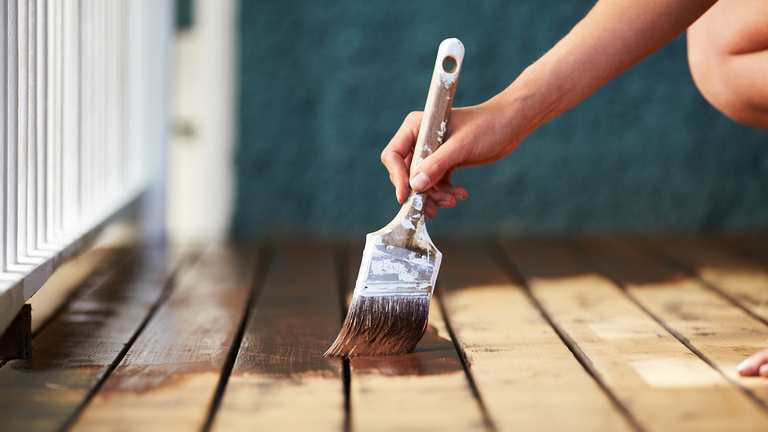







Top-rated deck staining pros.

Get matched with top deck staining pros in Rapid City, MI

Enter your zip and get matched with up to 5 pros

Need a pro for your deck staining project in Rapid City, MI?

Select your specific project to find the pro for you.

TRUSTED BY RAPID CITY, MI HOMEOWNERS

  • Average homeowner rating star icon3.9
    Average homeowner rating
  • Verified reviews icon20
    Verified deck staining services reviews

Find Deck staining pros in Rapid City

Adams Custom Painting, LLC
5.0(
7
)
Exterior Home or Structure - Paint or StainExterior Home or Structure - Paint or Stain: LargeExterior Home or Structure - Paint or Stain: Medium

Serving Rapid City, MI and surrounding areas

Approved

In business since 2000

Free estimates

Warranties offered

"A great experience! We had our entire interior painted by Chris’s employees, Brandon, Tim and Magnus. These guys were fantastic and treated our property with respect. Just great work! I would highly recommend Adams Painting to anyone as they do all kinds of painting and staining. Check out their webpage! Susan Belanger"
Entryway into living room
Custom staircase
Custom staircase
Loft over living room
Living room lighting decor

+17

Response time5 hrs
Response rate100%
Recommended by100%of homeowners
...
Showing 1-10 of 67
Deck Staining questions, answered by experts

It’s best to use an exterior latex acrylic paint to promote maximum adhesion to composite decking. This flexible paint type can better cope with the natural expansion and contraction that can occur with composite deck boards. Oil-based paints won’t adhere as effectively and are more likely to crack and peel as the boards flex. Testing whether your chosen paint will stick on an inconspicuous section or a spare board is a good idea.
Satin paint is generally considered a better choice for woodwork—including trim, baseboards, cabinets, and doors—than flatter finishes like eggshell or matte. Its soft sheen enhances architectural details and stands up well to frequent cleaning and daily wear. Compared to eggshell and matte finishes, satin is more durable for high-touch areas because it is less porous and doesn't absorb dirt as easily. Matte finishes, in particular, are prone to scuffs and are harder to clean, making them less practical for surfaces like doors and cabinets.

Staining a deck with a rag is typically a better option than using a brush, as it helps the stain penetrate deeper into the wood. However, both brushes and rags are best reserved for detailed work because using these tools on an entire deck can require tediously crawling around on your hands and knees. A pad applicator, sprayer, or roller are preferred alternatives to applying stain over the majority of a deck. Use a rag for railings and other detailed work, and let the wood soak up as much of the stain as possible before wiping away drips or pools.

Avoid using cleaning products that are abrasive or contain bleach or acidic components on composite decking to avoid discoloration. Early-generation Trex decking isn’t designed to handle pressure washer cleaning—and if you use them on second-generation boards, always use a low setting to avoid the risk of damage that can risk voiding your warranty.

Yes, it's a good idea to sand the wall with fine-grit sandpaper after spackling, especially if you plan on painting. You can do this by hand or using a sander, but the idea is to ensure the spackle is flush with the wall. Sanding will give your wall a smooth, uniform finish and help your paint and wallpaper stay put.

The Rapid City, MI homeowners’ guide to deck staining services

From average costs to expert advice, get all the answers you need to get your job done.