


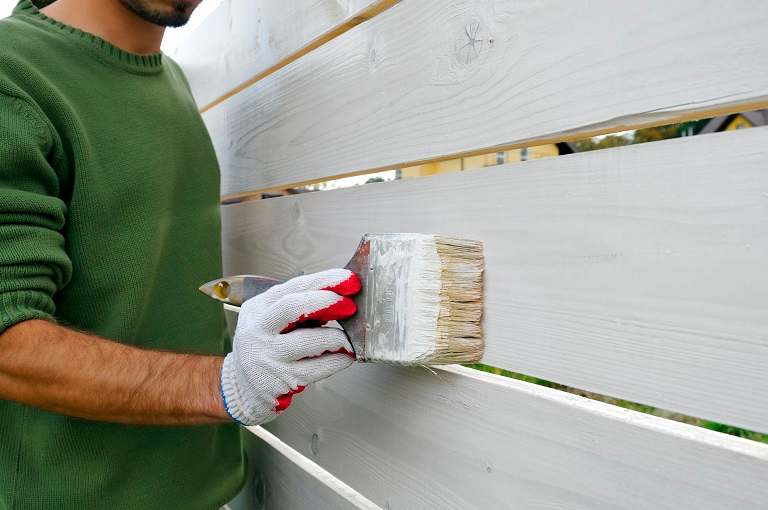
Top-rated fence painters.

Get matched with top fence painters in Pullman, MI

Enter your zip and get matched with up to 5 pros

Need a pro for your fence painting project in Pullman, MI?

Select your specific project to find the pro for you.

TRUSTED BY PULLMAN, MI HOMEOWNERS

  • Average homeowner rating star icon4.4
    Average homeowner rating
  • Verified reviews icon41
    Verified fence painting services reviews

Find Fence painters in Pullman

No results for Fence painter in

Try adjusting your search criteria.
Fence Painting questions, answered by experts

Shadowbox fence maintenance depends on the material. But for wood shadowbox fences, maintenance typically includes annual cleaning to prevent mold growth, resealing or staining every two to three years, and promptly replacing any damaged or rotted boards. Vinyl fencing, on the other hand, typically only requires annual cleaning with a hose to maintain its appearance.

Overall costs depend on the fence height and length, prep work required, and labor if hiring professionals, ranging between $1 and $4 per square foot.

Rags used with oil-based stains are highly flammable and can spontaneously combust in the right conditions. To reduce the fire risk, throw them in a metal container after use and add rocks on top to secure them. Add an inch of water and seal the container. Take the rags in the container to a hazardous waste factory as soon as possible.

Your tool of choice ultimately comes down to personal preference. Many DIYers prefer applying stain with a lint-free rag, but others stick with a paint brush or a roller. Wipe the stain and work it into the wood, working with and against the grain. If you’re applying multiple coats, allow the stain to dry for around four hours between coats.

Limewash and whitewash are two techniques used to give brick a light, matte finish, but they differ in composition, application, and permanence. The best choice depends on your aesthetic goals and the specific surface.

Composition

  • Limewash: A natural and environmentally friendly option made from limestone, water, and sometimes pigments. It is breathable and soaks into porous surfaces like brick.

  • Whitewash: Traditionally made from lime, water, chalk, and binders, but a similar look can be achieved with watered-down white paint. It is paint-based and sits on top of the surface.

Appearance and Finish

  • Limewash: Provides a natural, textured appearance that allows the brick's character to show through. It offers a more traditional finish.

  • Whitewash: Creates a softer, more opaque finish, often used for a rustic or shabby-chic style.

Application and Permanence

  • Limewash: Is semi-permanent and can be removed, making it a good choice if you might want to change the look in the future. It requires more skill to apply and cannot be used on previously painted brick.

  • Whitewash: Is a more permanent solution. It is more forgiving to apply and can be used on painted brick. However, because it sits on the surface, it can trap moisture.

Ultimately, if you want a breathable, natural, and reversible finish for unpainted brick, limewash is a great option. If you need a more permanent, opaque coating that can be applied over painted surfaces, whitewash is the better choice. Whitewashing may also be more economical, costing approximately $1.40 to $4.20 per square foot.

The Pullman, MI homeowners’ guide to fence painting services

From average costs to expert advice, get all the answers you need to get your job done.