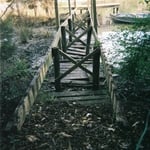
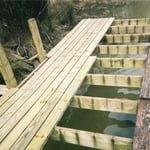
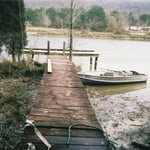
Mil-Vet Pro Divers (a Babin Enterprises Company) has a very extensive expertise both above and below ground or water; don't be fooled by the name our Craftsmen/ Divers are by requirement; skilled residential and commercial craftsmen. Mil-Vet Pro Divers hires and trains only military veterans - quality, pride and honor. We thrive on integrity, professionalism attention to the details that matter most to you and continued professional service. We recommend that all home owners educate themselves before choosing any contractor. Please Remember! A license, insurance and even a degree do not replace common sense, respect, integrity, and skill. Our quality of work is the main reason for our long term success. M.V.P.D. is currently the only qualified under water & waterfront services team located in the Upper Peninsula that also provides residential & commercial services to residents & businesses in the UP and North West Wisconsin. Call today for a one of a kind service experience.
"Great experience. Wonderful company did an amazing job 2 years later I'm still enjoying their hard work. We have been working with them in future project as well. I am definitely recommending them to everyone. Customer service and helpful nice people are hard to come by. I'm beyond happy with my driveway 2 years later!!"
To prevent septic tank problems, save on repair costs, and keep your home running smoothly, it's essential to perform regular maintenance. Have your septic system inspected by a professional every one to three years, or annually if possible, to spot potential issues before they develop. You should also have your tank pumped every three to five years, or more frequently if recommended by a professional based on your household's usage. Additionally, be mindful of what goes into your system. Avoid flushing items like paper towels, wet wipes, and feminine hygiene products. Do not dispose of other inappropriate substances, and try to avoid excessive water usage at a single time.
Running water may get rid of a sulfur smell temporarily, but it isn’t a long-term solution. If your taps smell like sulfur, take a look at some of the potential causes we’ve outlined above. Depending on what’s going on, you might need to contact a pro to identify and fix the issue.
Whether or not it’s hard to pass a perc test depends a lot on the composition of your soil. When a perc test is conducted where there’s a high concentration of sand in the soil, perc tests almost always pass. However, if your ground is dense clay or rock, it may prove difficult to pass a perc test. A low water table also helps you pass the test, as a high table means your yard isn’t draining water as efficiently.
When your septic system is failing, you’ll probably smell it. Common signs of a septic system failure include sewage odors in the home or around the yard, flooding in the yard above the septic tank or in the leach field, and wastewater or even raw sewage backing up into your home’s drains.
Modern septic tanks have two lids: one that covers the inlet where wastewater flows into the tank and one that covers the outlet where the treated water flows out to the drain field. However, older septic tanks installed before 1975 may have only one lid. Because septic tanks last 20 to 40 years, if yours only has one lid, it may be time for a replacement.
The Powers, MI homeowners’ guide to aquarium services
From average costs to expert advice, get all the answers you need to get your job done.
Discover mosquito control service cost estimates, including average prices, key cost factors, and tips to save on professional mosquito treatments for your home.
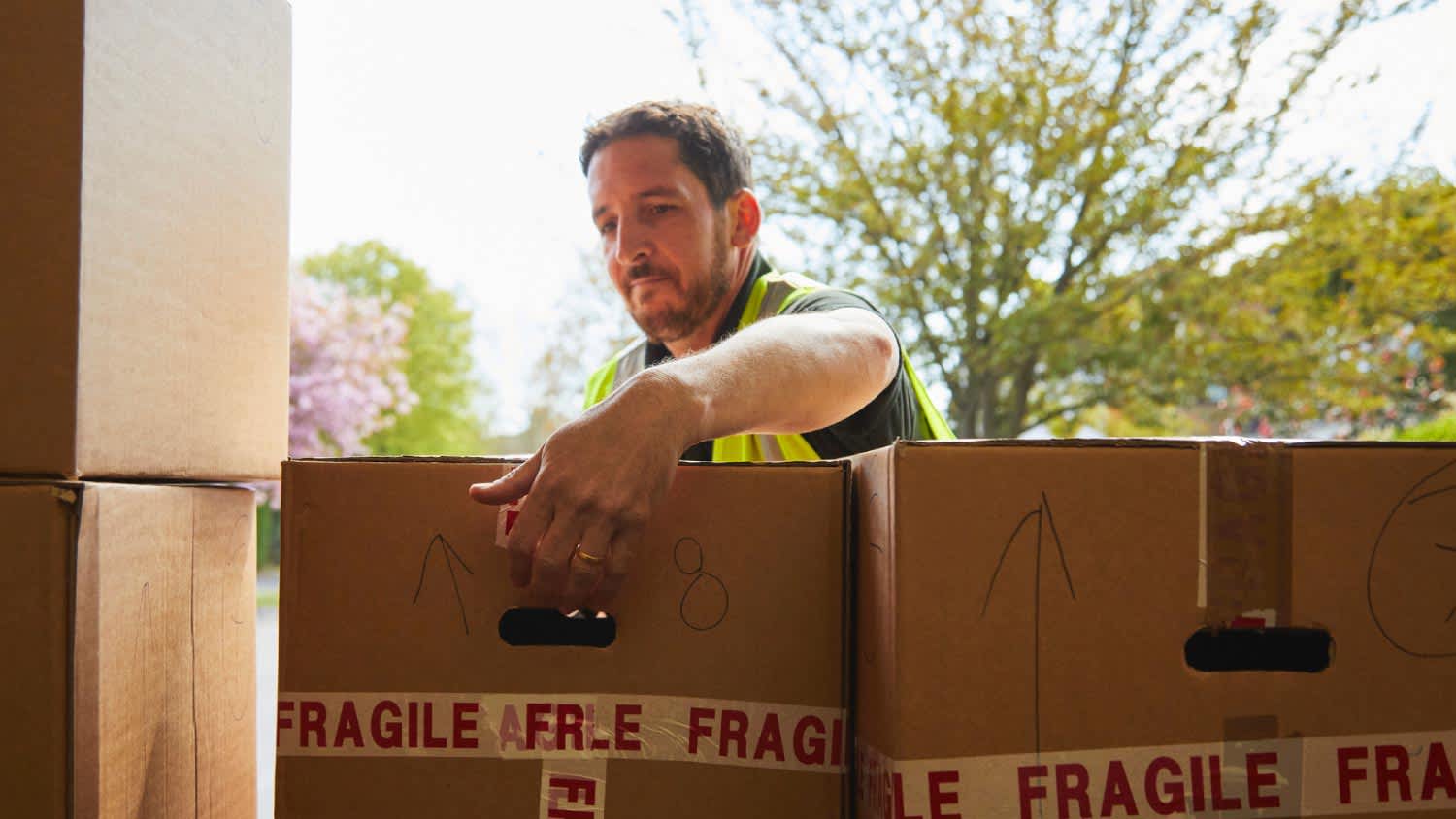
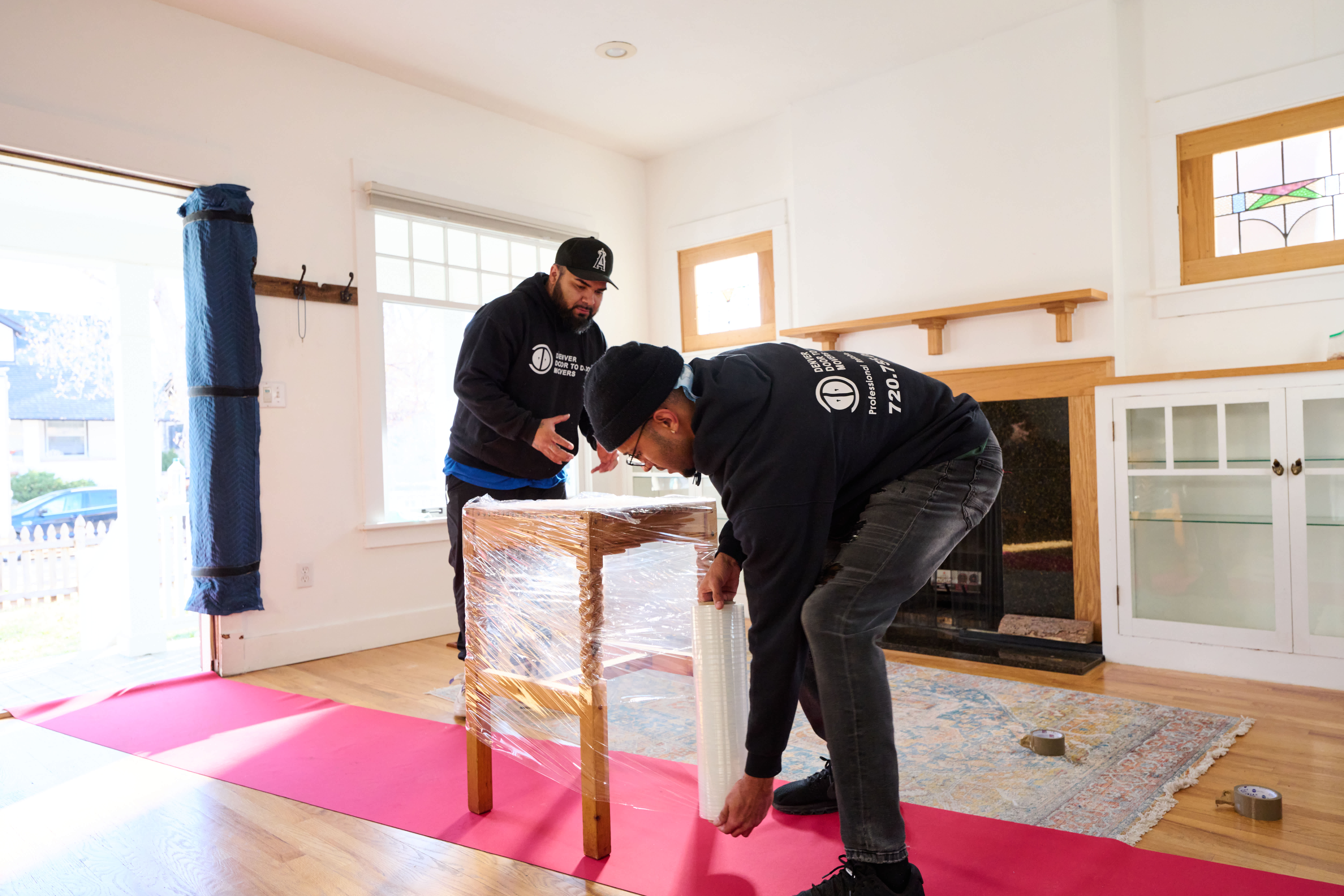
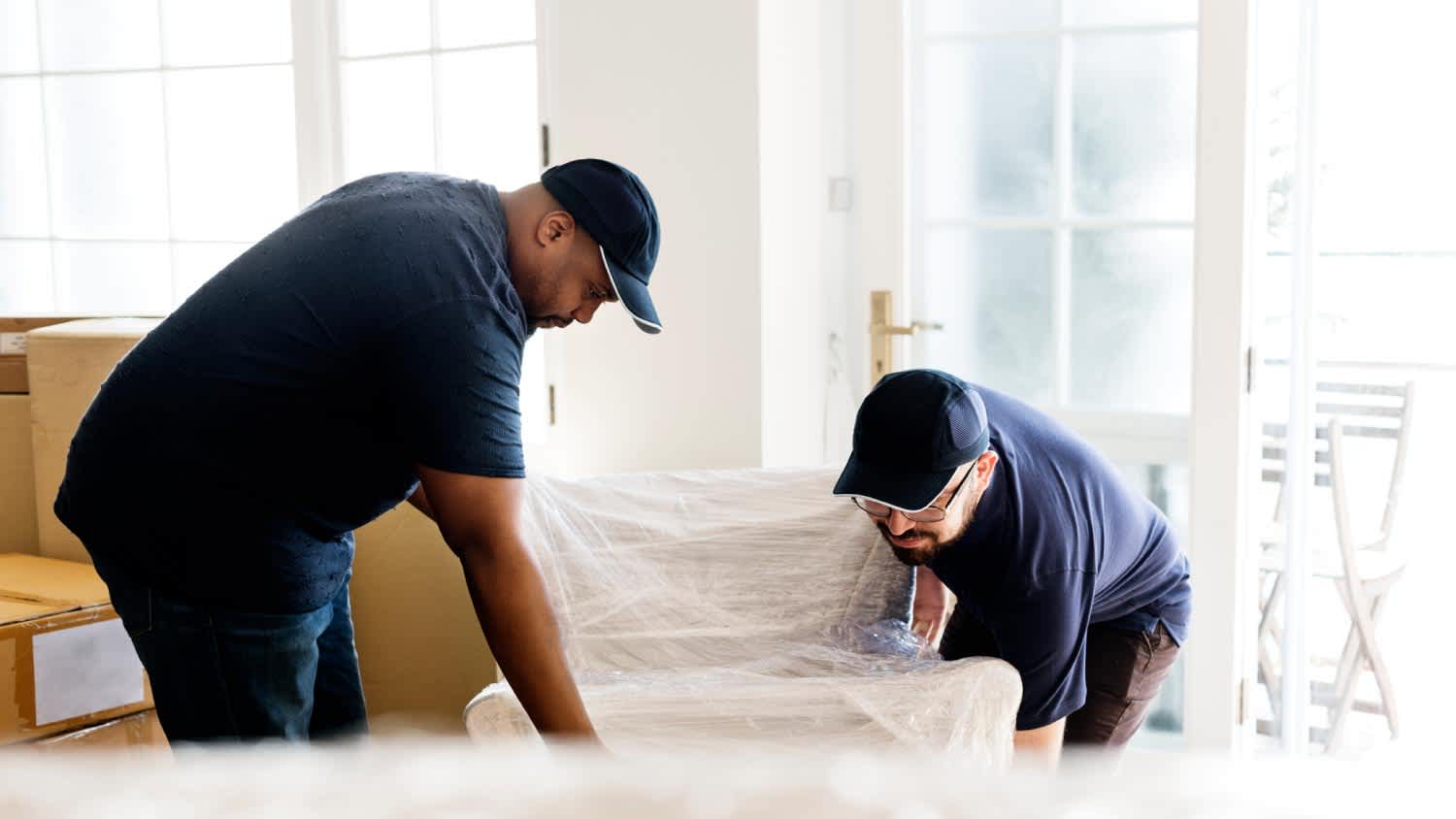
If you’re moving, you need to consider distance, weight, packing, and more. Our guide provides the average cost to move a 3-bedroom house long distance.
Old or worn electrical wires can interrupt the electrical supply to your home. Find out the cost to replace the wire from the meter to the breaker box.
Learn about home items that are nearly impossible to move without movers, either because they are awkwardly shaped, too heavy, or require special equipment.