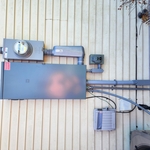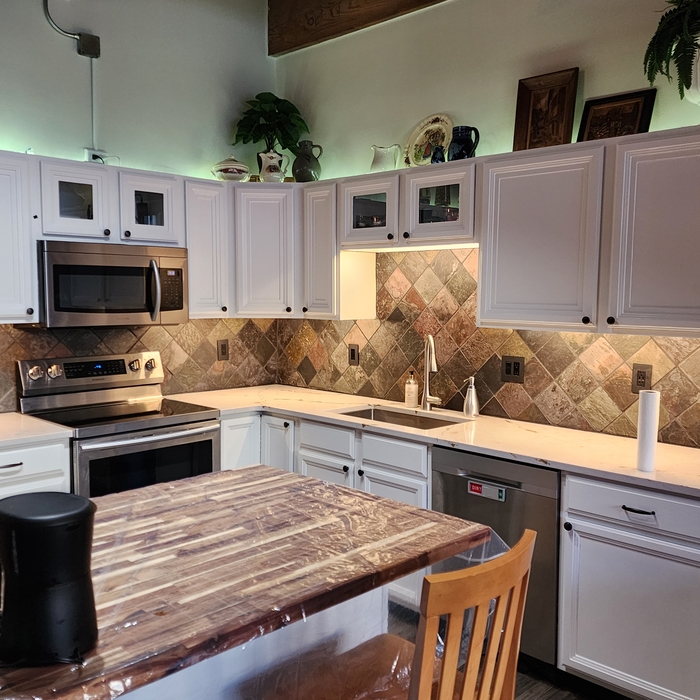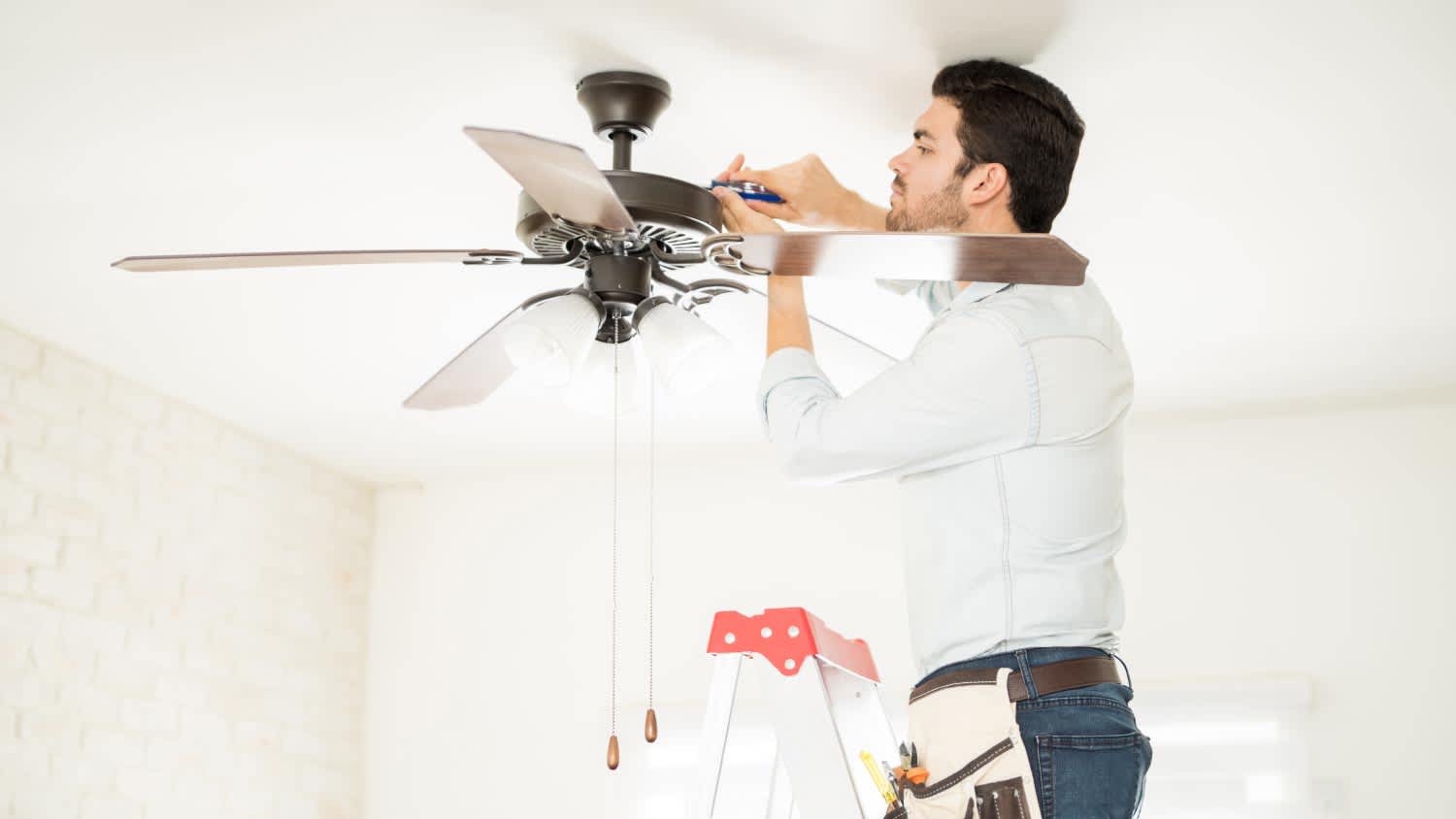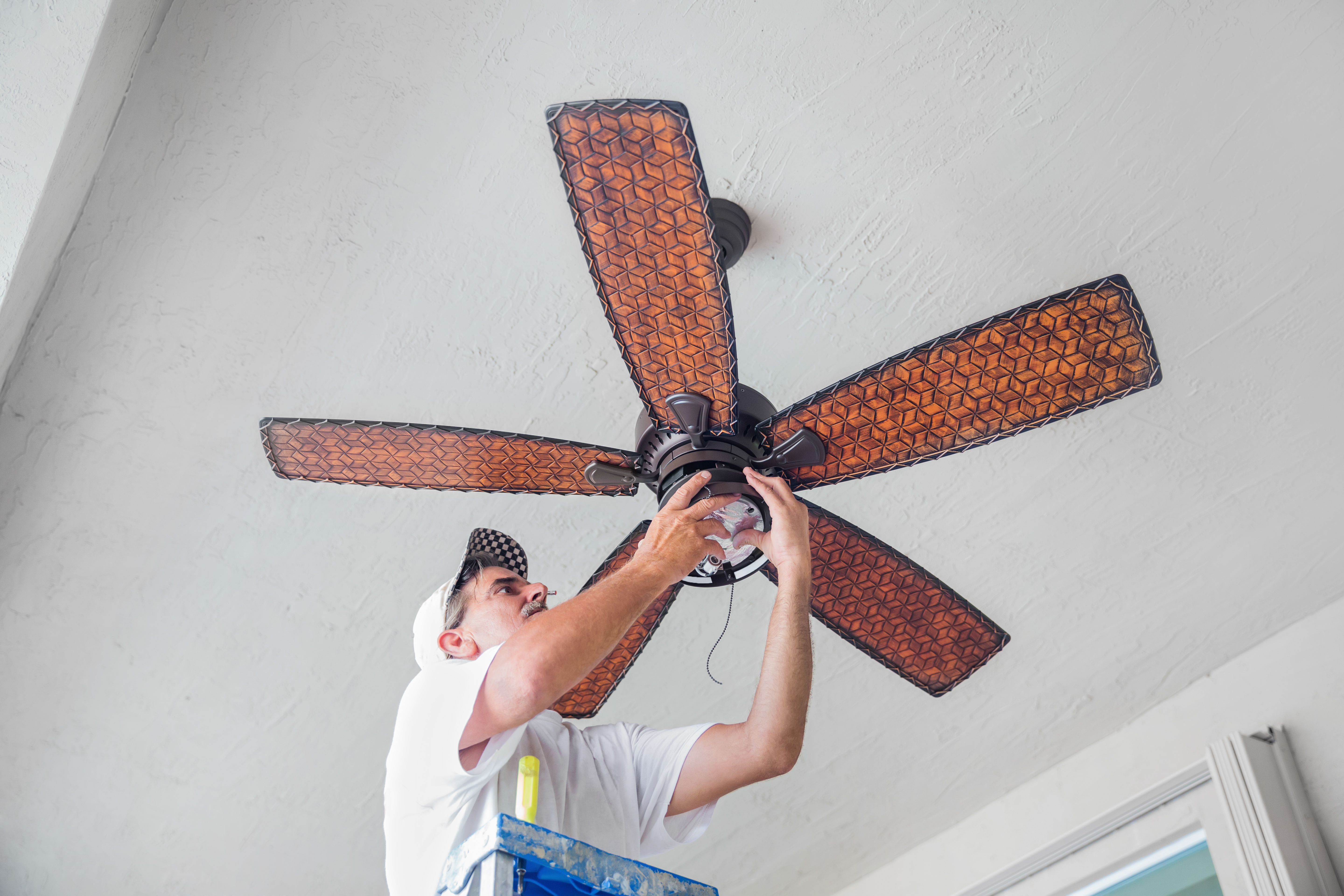











We can take on a wide range of residential and commercial projects. Weather you are completing an addition or remodel, Need your electric service upgraded or repaired, or need a failure corrected. We take pride in the quality of our work and our commitment to outstanding results. We look forward to building strong, long-term relationships with our clients and guarantee your satisfaction.

"The furnace took 4 days to get approved( not counting a Sunday) the others were quick but the water heater had to be ordered so without hot water for a week. One ceiling fan was easy but within a year their policy changed and They would not install the one I purchased and had to get a new one approved and then ordered online and took several weeks to get straightened out. Not sure who was at fault, AHS, installer or scheduling with renter. Fee is usually $75 per visit"
We offer over 28 years of experience in the electrical industry. We take on a wide range of electrical projects to include full installation for additions and remodels as well as generator installs, wiring and panel upgrades, and a variety of other jobs. We take pride in our quality of work and our commitment to outstanding results. We're committed to providing a personalized service for each individual project we take on. We look forward to building strong, long-term relationships with our clients and guarantee your satisfaction.

Identifying the source of noises is your first step to soundproofing a room without overspending. Generally, sound comes from inside or outside of the house. Inside noises include creaking floors, living noises like TVs in the living room, cooking sounds, or kids being kids. External noises generally include incremental weather, disturbing neighbors, and street traffic. Inside noises require you to soundproof floors, ceilings, and doors, whereas outside noises may require you to soundproof your attic, windows, and walls facing the streets.
If you’re removing a ceiling fan without visible screws, start by locating the fan canopy—a round cover placed above the fan blades and motor. There should be a thin ring that can be turned counterclockwise to remove the canopy and reveal the screws. After unscrewing the fan, you can disconnect the wires and remove the entire fan from the mounting hardware. For safety, make sure the fan switch is turned off before you remove the canopy. It may be easier to remove the fan blades first, too.
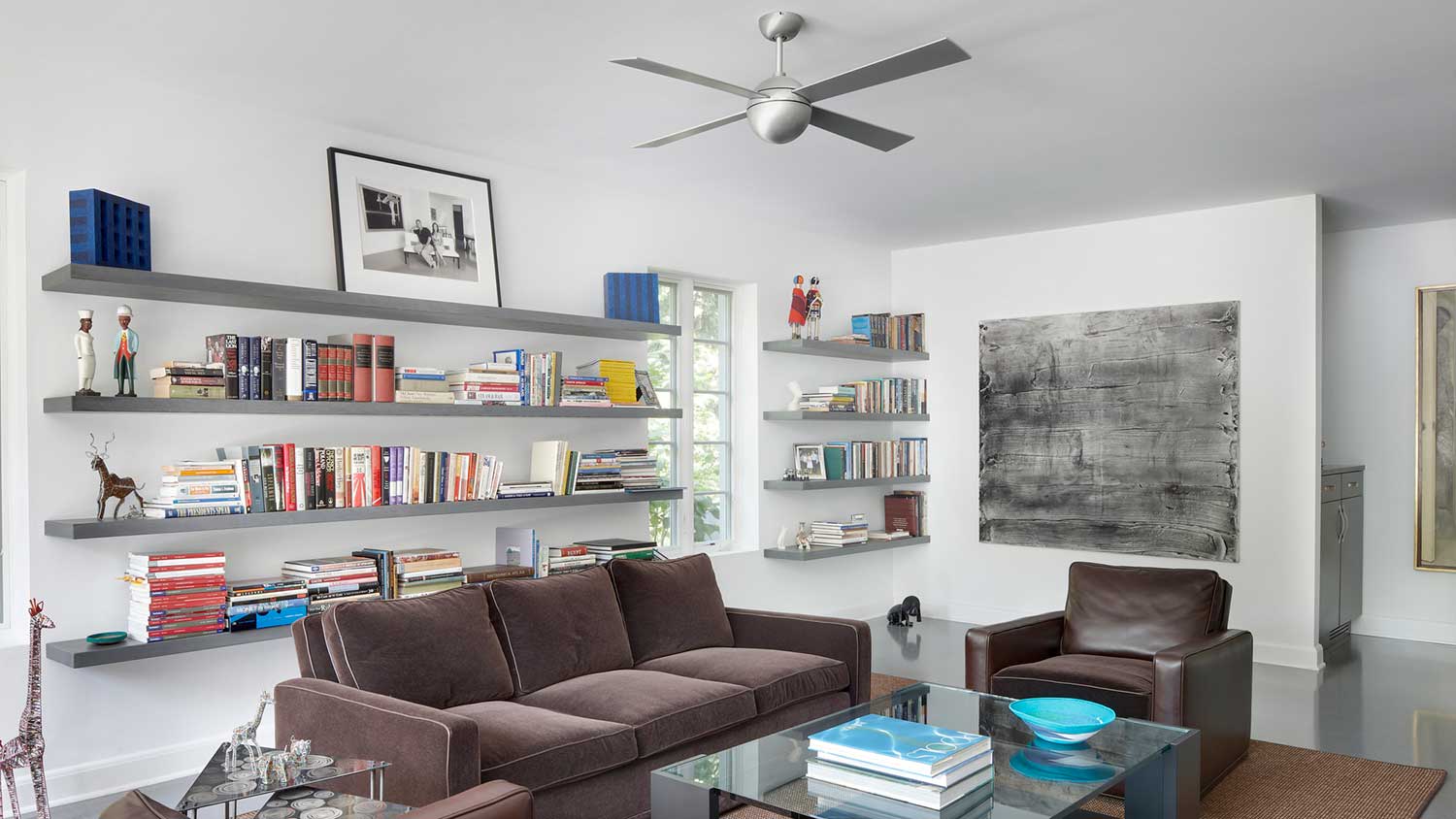
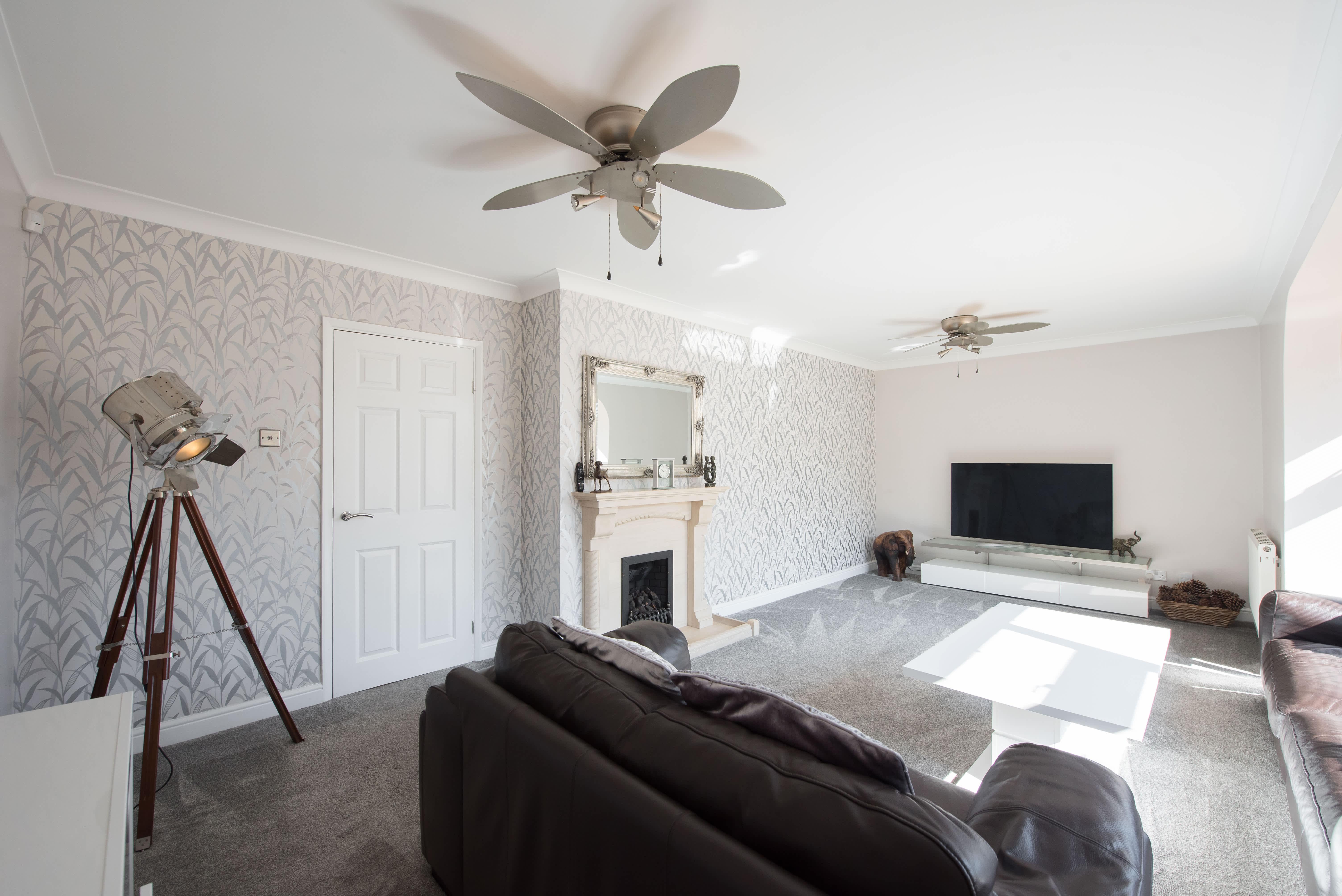
There’s no reason why you can’t install a ceiling fan anywhere in your home, such as in living rooms, offices, bedrooms, and dining areas. Most bathrooms already have ventilation and don’t need a ceiling fan. For safety purposes, avoid installing a ceiling fan where the blades will be less than eight feet from the floor, near bunk beds, or anywhere else they may hit nearby objects.
Ceiling fans require periodic cleaning of blades to avoid dust accumulation, checking screws and connections for firmness, and occasional lubrication for components, keeping the fan running smoothly and quietly over time.
Keeping dust off fans can keep them working optimally and help keep dust mites or bacteria from building up. Dust fans weekly with a duster, microfiber cloth, old pillowcase, or vacuum attachment. You can also try spraying a clean fan with a store-bought dust-repellent product or making a DIY dust-repellent with water and a small amount of liquid fabric softener mixed in.
The Paris, MI homeowners’ guide to ceiling fan services
From average costs to expert advice, get all the answers you need to get your job done.
Discover the cost to install a ceiling fan, including labor, materials, and tips to save. Learn what impacts your price and how to budget for your project.
Ceiling fans cool down your home while stylishly accenting your space. With a variety of types of ceiling fan on the market to choose from, you can’t go wrong.
Although the risk is low, there are a few telltale signs that a ceiling fan will fall off your ceiling. This guide explains when to worry (and when not to).