




Top-rated deck cleaning pros.

Best deck cleaning pros near Nunica, MI

Enter your zip and get matched with up to 5 pros

Need a pro for your deck cleaning project in Nunica, MI?

Select your specific project to find the pro for you.

TRUSTED BY NUNICA, MI HOMEOWNERS

  • Average homeowner rating star icon4.6
    Average homeowner rating
  • Verified reviews icon97
    Verified deck cleaning services reviews

Top-Rated Deck cleaning pros in Nunica - Updated Nov 2026

CB handyman services
New to Angi
Deck, Fence, Patio or Porch - Clean and Seal

Serving Nunica, MI and surrounding areas

Approved

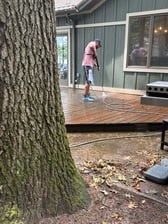
We provide reliable handyman services and outdoor improvement solutions with a focus on quality, efficiency, and long-term results. From small repairs and property cleanups to grading, drainage, and backyard upgrades, we help homeowners get their projects done right without the hassle.\nOur work covers a wide range of services including yard cleanups, tree trimming, light demolition, power washing, and general handyman tasks. We also specialize in outdoor projects like patio prep, leveling, and landscape improvements—helping turn everyday spaces into functional, usable backyards.\nWe take a practical, construction-focused approach to every job. That means showing up on time, communicating clearly, and doing the work properly the first time. Whether it’s a quick fix or a larger outdoor project, we aim to deliver results that last.\nHomeowners choose us because we’re dependable, straightforward, and focused on getting the job done right—no shortcuts, no surprises.

...
Showing 1-10 of 73
Deck Cleaning FAQs, answered by experts

The proper and most comfortable height for a deck stair riser, also called a step, is between four and seven inches. A height of seven inches is often considered ideal for a strain-free step that minimizes the risk of trips and falls. While it is possible to have risers up to 12 inches, this height can be challenging for children, pets, or individuals with mobility issues. For optimal safety and comfort, pair a seven-inch riser with a tread depth (or run) of at least 10 to 12 inches. Always check your local building codes, as they may have specific requirements that differ from these general recommendations.

When building a deck, #2 grade lumber is a go-to for several reasons. It’s strong, budget-friendly, and works well for most framing and decking needs. But upgrading to #1 or Appearance Grade can give your deck that extra visual edge if you're after a cleaner, more polished look for high-visibility spots.

Yes, deck pier blocks can be used as an alternative to traditional deck footings, especially for smaller or low-to-the-ground decks. Unlike poured concrete and buried post footings, deck blocks do not require digging or pouring. However, their use is dependent on local building codes. Some areas, particularly those prone to high winds, earthquakes, or hurricanes, may not permit the use of deck pier blocks. It is essential to consult your local building codes before choosing them for your deck project.

A random orbital sander is best for sanding a deck because it is easier to handle than other power sanders and is less likely to damage the wood. Most decks are made of types of softwood, so a gentler sanding process is essential to prevent permanent blemishes. For example, belt sanders can gouge softwoods.

In most cases, your deck will need some form of deck footing to hold it in place, preventing moisture from rotting your wood and decreasing your deck’s lifespan. Concrete deck blocks are the most common type of footing for floating decks. Some homeowners use ground-level deck footings. For added security, consider digging and laying your ground-level footings below ground.

The Nunica, MI homeowners’ guide to deck cleaning services

From average costs to expert advice, get all the answers you need to get your job done.