


Top-rated weed maintenance pros.

Get matched with top weed maintenance pros in Morrice, MI

Enter your zip and get matched with up to 5 pros

Need a pro for your weed maintenance project in Morrice, MI?

Select your specific project to find the pro for you.

TRUSTED BY MORRICE, MI HOMEOWNERS

  • Average homeowner rating star icon3.8
    Average homeowner rating
  • Verified reviews icon35
    Verified weed maintenance services reviews

Find Weed maintenance pros in Morrice

No results for Weed maintenance pro in

Try adjusting your search criteria.
Weed Services questions, answered by experts

Johnsongrass and crabgrass are invasive weeds that can overtake your lawn. Crabgrass is a low-growing grass most often seen in lawns, flower beds, and vegetable gardens. While you may find Johnsongrass growing in your lawn, it will also grow in pastures, crop fields, and the edge of the road. Johnsongrass is much coarser than crabgrass. If left alone, Johnsongrass can grow up to 8 feet tall. 

If you have a lot of tree roots in your yard or have experienced issues in the past, you should use tree root killer every six months to prevent roots from infiltrating your pipes. If you have an active invasion and aren’t seeing results, check the instructions on the bottle to see how often you can use it in a short period of mine.

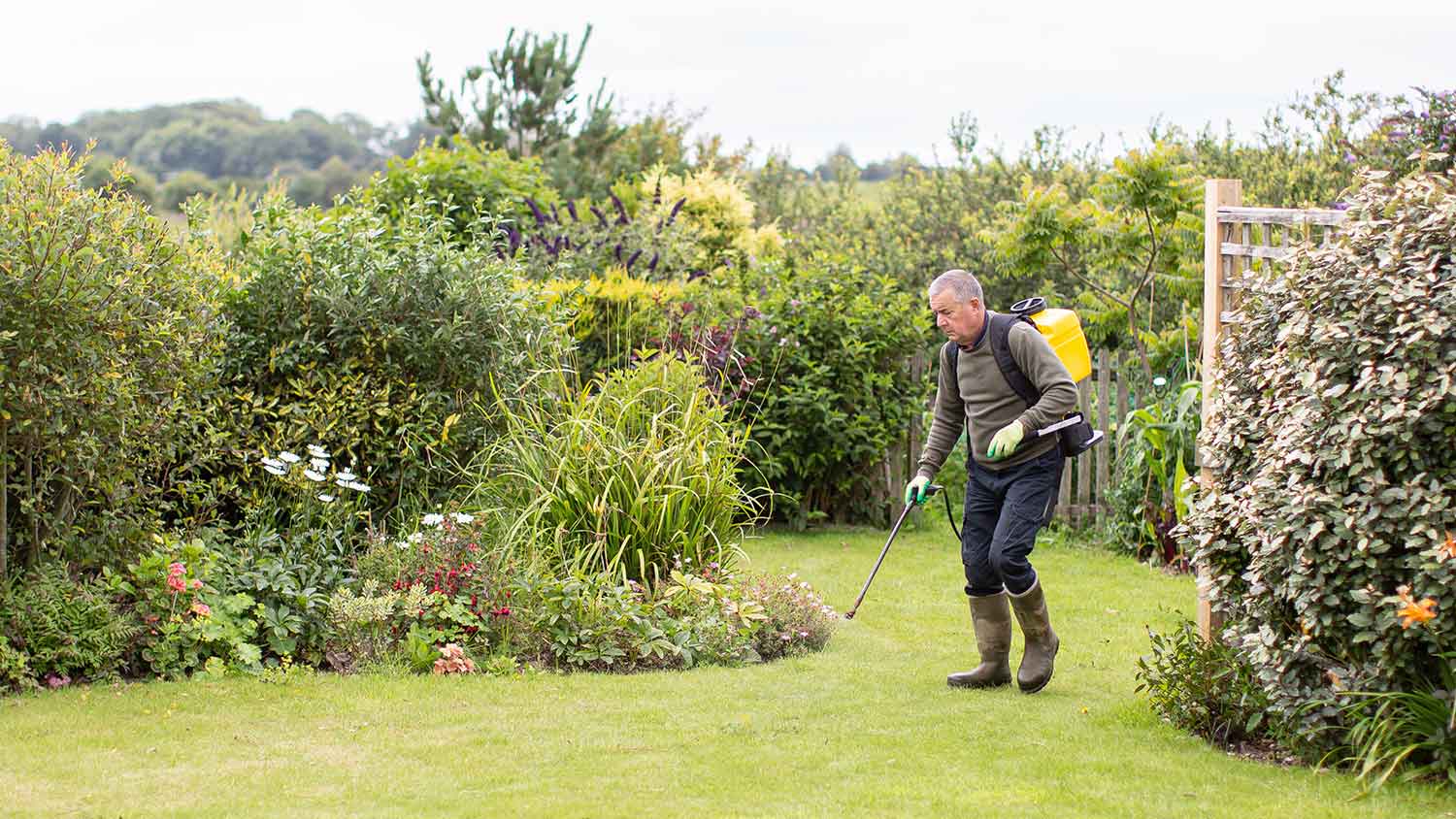
It usually takes between two weeks and a month for weeds to fully die off after you spray them with herbicide, but they will start to wilt within the first week. Different weed sprays produce different results, with some working more quickly and effectively than others. Similarly, some weeds are killed more easily than others. Consult your weed removal pro for an exact timeline based on their weed removal method.

There are organic herbicide options that will kill grass but not flowers, including white vinegar or a dish soap solution. Commercial selective herbicides can also target grass over other plants, but read the instructions carefully to avoid damaging your garden. Herbicides that kill grass but not flowers usually include ingredients like clethodim and sethoxydim. Otherwise, your best bet will be to weed by hand.

Too much clover in your lawn can indicate several issues with your soil. Clover can thrive in soils with abnormally high pH, low-cut grass, and low nitrogen. Amending these issues can push clover out for good.

Hardy perennial clover loves the low nitrogen and compact conditions that often come with poor, infertile soils. But other factors also contribute to a clover explosion, including drought conditions, cool temperatures, under fertilization, and over-irrigation. You’ll need to evaluate all these elements when planning to kill off the clover.

The Morrice, MI homeowners’ guide to weed maintenance services

From average costs to expert advice, get all the answers you need to get your job done.